


From One Grain, Many Paths
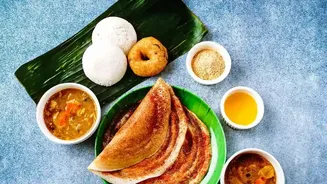
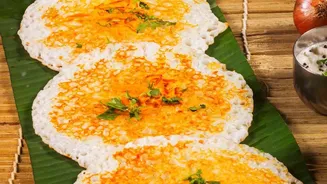
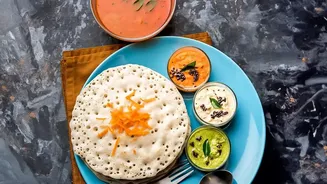
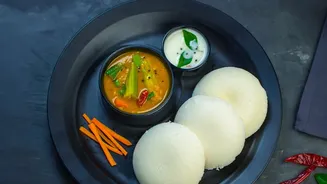
Take rice, a staple in nearly every corner of the country. In the hands of a South Indian cook, rice and lentils are soaked, ground, and fermented into a batter. This batter, when steamed, becomes light, fluffy idlis. The same batter, when spread thinly
on a hot griddle, transforms into a crispy, golden-brown dosa. The core ingredients are identical, but the cooking methods—steaming versus griddling—create two entirely different culinary experiences. One is soft and spongy, the other is brittle and savoury. This is where the true genius of regional cooking lies: understanding that how you cook is as important as what you cook.
The Alchemy of Slow Cooking
Travel north, and that same grain of rice takes on a completely different persona in a dish like biryani. Here, the 'dum pukht' method reigns supreme. This technique of slow cooking in a sealed pot is a culinary art form in itself. Par-cooked, long-grain basmati rice is layered with marinated meat or vegetables, fragrant spices, and fried onions. The pot, traditionally a heavy-bottomed 'handi', is sealed shut with dough, trapping the steam inside. Cooked over a low flame, every grain of rice absorbs the moisture and aromas, becoming plump, fragrant, and distinct. The result is a royal, complex dish, a far cry from the fermented and steamed simplicity of an idli, yet born from the very same staple.
The Many Faces of the Humble Lentil
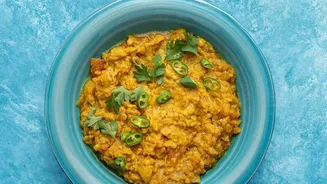
Lentils, or dal, are another cornerstone of Indian cuisine, but to say you're just 'eating dal' is an oversimplification. A simple 'tadka' dal involves boiling lentils until soft and then tempering them with spices sizzled in hot ghee or oil. This last-minute infusion of flavour creates a light, soupy dish that's a daily comfort food. However, those same lentils can be soaked, ground into a paste, and deep-fried to create crispy, savoury vadas—a popular snack. Or, they can be slow-simmered for hours with butter and cream to become the rich, decadent Dal Makhani, a dish where the lentils break down into a velvety, luxurious curry. From a soupy side to a crispy fritter to a hearty main course, the cooking method dictates the lentil's destiny.
The Versatility of Chickpea Flour
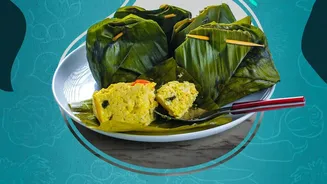
Even flours demonstrate this principle beautifully. Besan, or chickpea flour, is a prime example of culinary flexibility. In Gujarat, a batter of besan is fermented and steamed to create soft, spongy, and savoury cakes called dhokla. The steaming process gives it a delicate, airy texture. Take that same besan, mix it with water and spices to form a batter for pakoras, and deep-fry it. The result is a crunchy, golden, and indulgent snack, perfect for a rainy day. Pan-cook the batter into a thin pancake, and you have a besan chilla, a savoury crepe. From a steamed cake to a fried fritter to a delicate pancake, the chosen technique completely redefines the ingredient's form and flavour.