





Understanding the Pink Radish
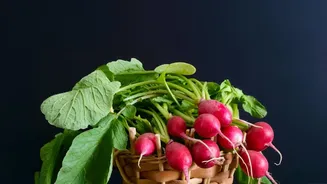
Pink radishes belong to the Brassicaceae family, alongside broccoli and cabbage. Varieties can range from the common small, round red radishes often found in supermarkets to heirloom types like the 'China Rose', which has rosy-pink skin and a mild but
still peppery taste. While their primary characteristic is a spicy bite, this intensity can vary. Smaller, younger radishes tend to be milder. Their flavour profile, crisp texture, and beautiful colour make them an exciting ingredient to explore in the kitchen. Nutritionally, they are low in calories but high in fibre, vitamin C, and potassium, making them a healthy addition to any diet.
How to Select and Store
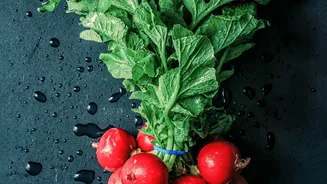
Choosing the best radishes at the market is simple. Look for bulbs that are firm, smooth, and brightly coloured, without any cracks or blemishes. If the leafy green tops are still attached, they should look fresh and vibrant, not wilted. Once you get them home, preparation for storage is key to longevity. Remove the green tops, as they draw moisture and nutrients from the root, causing them to soften. The greens themselves are edible and can be stored separately in the refrigerator for a few days. Wash the radish bulbs, dry them thoroughly, and store them in a sealed plastic bag in your refrigerator’s crisper drawer. Stored this way, most varieties will stay fresh and crisp for up to two weeks.
Embrace the Crunch: Raw Preparations
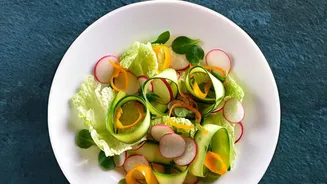
The most straightforward way to enjoy pink radishes is raw, where their peppery flavour and satisfying crunch are at the forefront. Thinly sliced radishes are a classic addition to green salads, providing a burst of colour and a spicy counterpoint to leafy greens. They can be added to sandwiches and wraps for extra texture or served simply with butter and a sprinkle of sea salt, a traditional French preparation that perfectly balances their sharpness. For a simple and refreshing side dish, toss thinly sliced radishes with lime juice, zest, and a pinch of salt. Let them sit for about 15 minutes to allow the flavours to meld before serving.
Tame the Flame: Cooking with Radishes
If you find the peppery taste of raw radishes a bit too intense, cooking them is a fantastic solution. Applying heat transforms their flavour, mellowing their spicy bite and bringing out an unexpected sweetness. Roasting is a popular method; simply toss halved or quartered radishes with olive oil, salt, and pepper and roast until tender and slightly caramelised. You can also sauté them. Cooking them in a pan with butter and olive oil turns them a beautiful blush pink and results in a mild, tender vegetable. Braising is another technique that softens the radishes and tempers their raw spice, allowing them to absorb the flavours of the cooking liquid.
A Pop of Pink: Pickling Radishes
Quick pickling is another excellent way to harness the character of pink radishes while balancing their peppery notes with a tangy sweetness. Pickled radishes are incredibly versatile and add a bright, acidic crunch to tacos, grain bowls, and sandwiches. The process is simple: slice radishes thinly and place them in a jar. A basic brine of vinegar, water, sugar, and salt is all you need. The radishes will soften slightly but retain a pleasant crispness, and their skin will infuse the brine, turning the slices a stunning shade of pink. They can be ready in just a few hours and are a great way to preserve their freshness.
Don’t Waste the Tops
The leafy greens of the radish plant are not only edible but also delicious and nutritious, with a peppery flavour similar to the root. Instead of discarding them, you can incorporate them into your cooking to reduce food waste. One of the most popular uses is to make radish green pesto, blending the leaves with nuts, olive oil, garlic, and cheese or nutritional yeast. The greens can also be sautéed with garlic and a splash of lemon juice for a simple side dish or stir-fried with sesame oil and soy sauce for a Japanese-inspired preparation. Wilted into soups or stews, they add a subtle, earthy spice.