



The Perfect Timing for Blooms
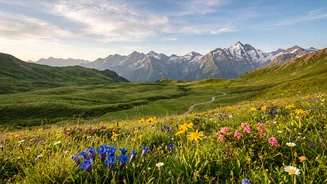
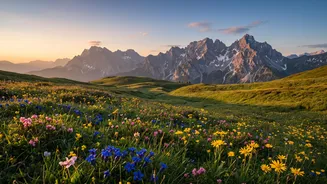
The magic of Austria’s alpine meadows is seasonal, with a glorious but specific window for peak blooms. Generally, the floral explosion begins in late spring and reaches its zenith from mid-June through August. This is when hillsides burst with colour,
creating a breathtaking contrast against the lingering snow on higher peaks. While some hardy flowers can be seen into September, planning your hiking adventure during the early to mid-summer months guarantees the most spectacular and diverse displays. Lower elevation areas may see flowers like crocuses as early as March or April, but for the classic high-altitude meadows, June and July are the prime months.
Tyrol: The Heart of the Alps
When you picture Austrian wildflowers, you’re likely picturing Tyrol. This iconic region is a hiker's paradise, offering countless trails that wind through some of the country's most vibrant floral landscapes. The Kitzbühel Alps are particularly known for their gentle, grassy mountains that become a tapestry of colour. One of the most famous sights is the deep pink bloom of the Alpine rose (Alpenrose), which can cover entire slopes between June and July. Regions like the Zillertal and Ötztal valleys, or dedicated trails like the Alpenrosenweg near St. Anton am Arlberg, offer immersive experiences where the flowers are the main event. Keep an eye out for dozens of orchid varieties, bellflowers, and the bright yellow Arnica.
Grossglockner High Alpine Road: A Drive-and-Hike Spectacle
For one of the most accessible and concentrated flower experiences, look no further than the Grossglockner High Alpine Road. This famous scenic route is the gateway to the Hohe Tauern National Park and is lined with trailheads leading to extraordinarily species-rich meadows. The Pockhorner Wiesen, a set of pastures located directly along the road, is a botanical gem where up to 140 different plant species can be found in a small area. As you ascend, the flora changes, offering a living lesson in high-altitude botany. The road even features a path to the Edelweiss Spitze (Edelweiss Peak), named for the legendary flower that grows on rocky limestone slopes at high altitudes.
A Hiker's Floral Field Guide
Knowing what to look for can make your hike even more rewarding. Besides the prolific Alpine rose, three flowers capture the essence of the Austrian Alps. The most iconic is the Edelweiss, Austria's national flower. This star-shaped, fuzzy white bloom is rare and protected, found on rocky ledges above 1,500 metres. Its name means 'noble white', and finding one is a truly special moment. Then there is the Gentian, famous for its intense, trumpet-shaped blue flowers that dot meadows from late spring into autumn. Several varieties exist, from the large stemless gentian to smaller, star-shaped spring gentians. Finally, look for Arnica, with its sunny, daisy-like yellow flowers, a well-known plant in folk medicine.
Essential Tips for Your Alpine Hike
To make the most of your floral adventure, a little preparation goes a long way. First, always check the weather; mountain conditions can change in an instant. Wear sturdy, comfortable hiking boots and dress in layers. While many flower trails are gentle, others require sure-footedness and a good level of fitness. Most importantly, respect the delicate ecosystem you are visiting. The meadows are beautiful but fragile. Stick to marked trails to avoid damaging the plant life. It is crucial to remember that many alpine flowers, especially the famous Edelweiss, are strictly protected and must not be picked. The best souvenir is a photograph, leaving the flowers for others to enjoy.