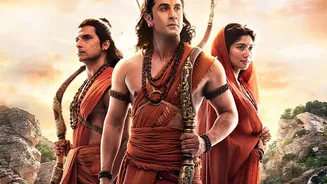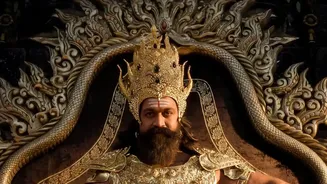






The Ramayana's central conflict between Rama and Ravana is legendary. But the epic's true richness lies in its supporting cast, whose tales of sacrifice, wisdom, and loyalty are just as powerful. Let's meet some of them.
Urmila: The Unsung Sacrifice
When Lakshmana chose to accompany
his brother Rama into a 14-year exile, his newly-wed wife, Urmila, faced a difficult choice. Instead of insisting on joining him, she made a quiet but profound sacrifice. She remained in Ayodhya, not only to care for the grieving royal family but also, according to some tellings, to bear the weight of her husband's sleep. Legend holds that Lakshmana, to protect Rama and Sita vigilantly, vowed not to sleep for the entire 14 years. To make this possible, Urmila is said to have entered a continuous slumber for the duration of the exile, taking his share of sleep upon herself. While characters like Sita are lauded for their resilience in exile, Urmila's sacrifice was one of silent, patient endurance within the palace walls, a testament to a different kind of strength and devotion that often goes unnoticed. Her story is a powerful reminder that heroism isn't always found on the battlefield but can reside in quiet, steadfast loyalty.
Mandodari: The Voice of Reason in Lanka
As the queen consort of Ravana, Mandodari was beautiful, pious, and righteous. While her husband descended into arrogance and villainy, she remained a consistent voice of reason and morality in the court of Lanka. Daughter of the Asura king Mayasura and the celestial nymph Hema, Mandodari possessed great wisdom and repeatedly advised Ravana against his ruinous path. She counselled him against antagonizing powerful sages and, most importantly, pleaded with him to return Sita to Rama, foreseeing the destruction that his abduction would bring upon their kingdom. Despite her love for Ravana, she was not blind to his faults and prioritised dharma, or righteousness, in her counsel. Though her advice went unheeded, Mandodari’s story provides a tragic and compelling perspective from within the 'enemy' camp, showing that virtue and wisdom are not confined to one side of a conflict.
Shabari: The Patient Devotee
The story of Shabari is one of the most tender and moving episodes in the Ramayana, a beautiful lesson in the purity of devotion. An elderly ascetic and a disciple of the sage Matanga, Shabari spent years waiting for the promised arrival of Rama at her humble ashram. Every day, she would clean the pathways and collect wild fruits, anticipating the day she would finally meet him. When Rama and Lakshmana eventually arrived during their search for Sita, her joy knew no bounds. In a gesture of overwhelming love, she offered them berries she had gathered. According to popular tradition, she tasted each one first to ensure that only the sweetest berries were offered to Rama. Far from seeing this as an impure offering, Rama accepted them graciously, recognising the profound love behind the act. Her story illustrates that devotion is not about rules and rituals, but about the sincerity of the heart.
Jatayu: The Valiant Protector
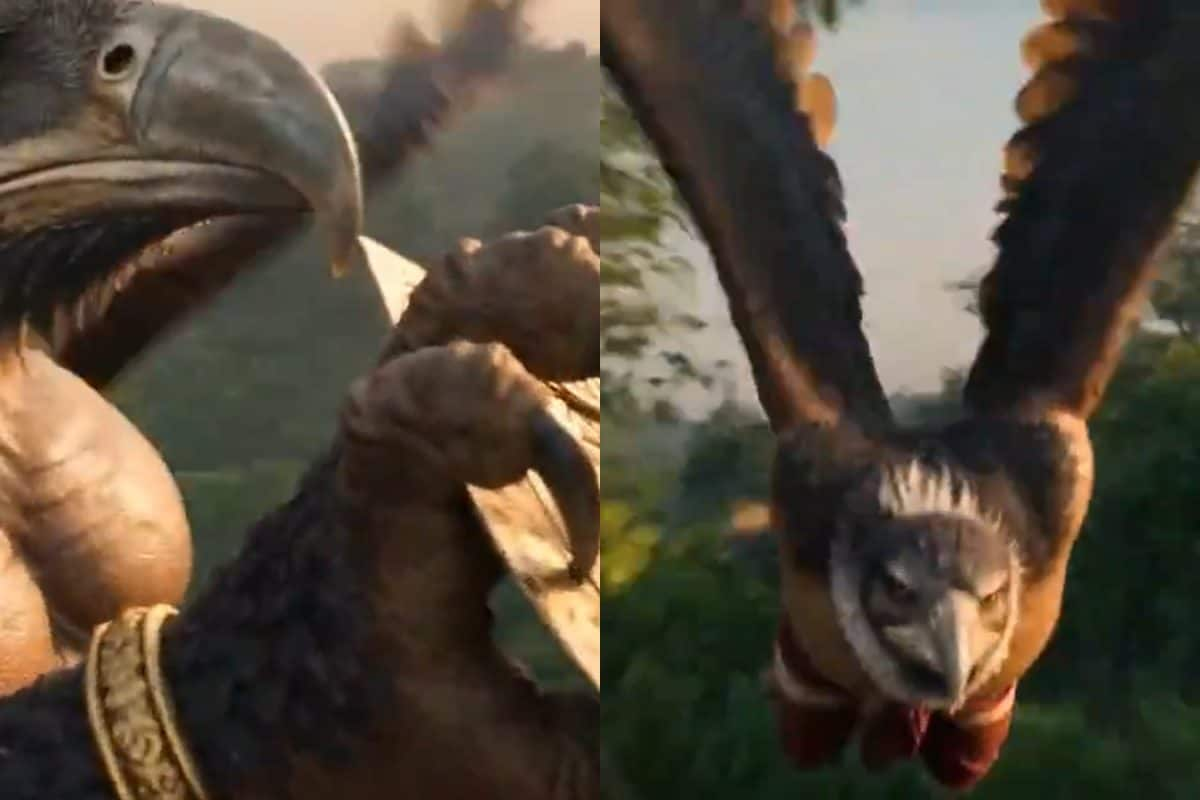
A noble demigod in the form of a vulture, Jatayu was an old friend of King Dasharatha, Rama's father. His defining moment came when he witnessed Ravana abducting Sita and forcibly carrying her away to Lanka in his flying chariot. Though old, Jatayu did not hesitate to intervene. He bravely fought Ravana in the sky, trying desperately to stop the kidnapping and rescue Sita. In the fierce battle, he managed to damage Ravana's chariot but was ultimately no match for the powerful demon king. Ravana fatally wounded Jatayu, clipping his wings and leaving him for dead. As he lay dying, he held on long enough to inform Rama and Lakshmana about Sita's abduction and the direction Ravana had taken her, providing a crucial lead in their search. Jatayu's selfless sacrifice makes him a revered symbol of courage, loyalty, and the duty to protect the innocent, even at the cost of one's own life.