






The Overlooked Factor: Weight
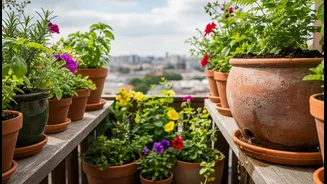
Before you start hauling bags of soil onto your balcony, it's crucial to consider the weight. Balconies and rooftops have structural load limits. While it varies by building age and construction, a general guideline is around 50 to 60 pounds per square
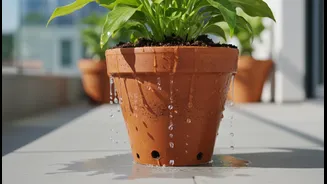
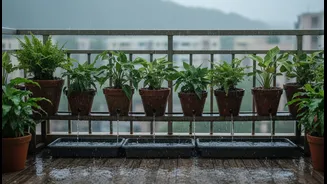
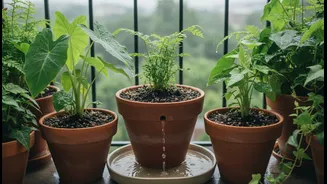
foot. A single large planter filled with traditional garden soil can easily exceed this limit, especially after a heavy rain. Saturated soil can weigh 25% or more than dry soil, turning your green oasis into a potential hazard. It's always best to check with your building management or a structural engineer for your specific limits, but the universal rule is to go as light as possible.
Why You Can't Use Garden Dirt
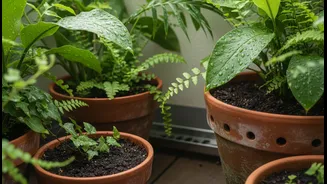
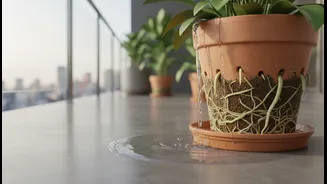
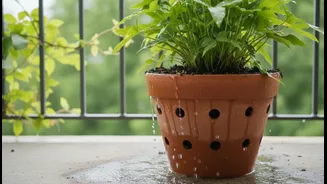
It might be tempting to scoop soil from a garden bed, but this is a common mistake for container gardening. Garden soil and topsoil are heavy, dense, and compact easily in pots. This compaction suffocates plant roots by reducing access to oxygen and leads to poor drainage, causing roots to rot. Container plants are entirely dependent on the soil you provide for nutrients, aeration, and moisture management, which is why specialized potting mixes are essential for success on a balcony.
The Lightweight Building Blocks
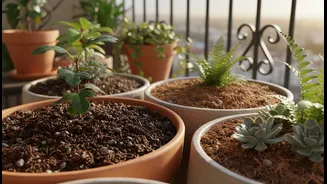
The key to a light and healthy balcony garden lies in soilless components that provide structure and support without the heft. These are your primary tools: Coconut Coir: A sustainable alternative to peat moss, this fibrous material from coconut husks is exceptionally lightweight. It holds water well while maintaining good aeration. Coir usually comes in compressed bricks that expand significantly when you add water. Perlite: These small, white, popcorn-like granules are made from expanded volcanic glass. Perlite is extremely light and is added to mixes to improve drainage and prevent compaction, creating essential air pockets for roots to breathe. * Vermiculite: Another lightweight mineral that has been heated to expand, vermiculite acts like a sponge. It excels at retaining both water and nutrients, releasing them to the plant as needed. This helps in reducing how often you need to water.
Crafting Your Ideal Lightweight Mix
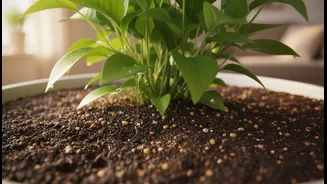
Creating your own potting mix allows you to control the ingredients and the final weight. While there are countless recipes, a great starting point for a general-purpose lightweight mix is a simple one-to-one-to-one ratio. Combine one part coconut coir (or peat moss), one part compost for nutrients, and one part perlite for drainage. Some experienced growers adjust this, for example, using a blend of 70% coir, 20% perlite, and 10% vermiculite for a balance of moisture retention and drainage. Remember to moisten the ingredients before mixing them together thoroughly.
Choosing a Store-Bought Bag
If DIY isn't for you, many excellent bagged potting mixes are available. Look for products specifically labeled for "containers," "raised beds," or "rooftop gardening." Avoid bags simply marked "garden soil" or "topsoil." Check the ingredient list on the back. A good lightweight mix will feature peat moss or coco coir as the primary ingredient, along with perlite or vermiculite. These mixes are engineered to be light and fluffy, providing the right balance of air and water for container environments.
More Ways to Lighten the Load
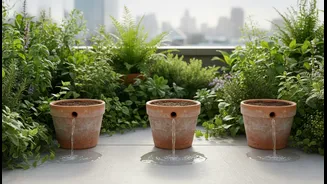
Soil is the heaviest component, but you can save weight in other areas too. Opt for lightweight containers made from plastic, resin, or fabric grow bags instead of heavy ceramic, terracotta, or concrete planters. Grouping several smaller pots may be safer than one massive, heavy planter. You can also reduce soil volume by placing a layer of empty, sealed plastic bottles or packing peanuts at the bottom of very deep pots, which reduces the amount of soil needed while also improving drainage.