


The Dangerous Lure of the 'Like'
In the age of social media, a stunning photograph is a powerful currency. For tourists on dolphin-watching trips in places like Goa, the Andaman Islands, or Odisha's Chilika Lake, the pressure to get a close-up, shareable image is immense. This demand
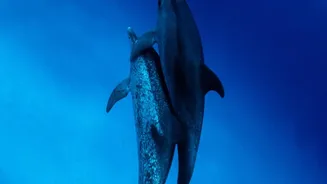
creates a perilous incentive for boat operators. Tourists, eager for a photo that will garner dozens of 'likes', often encourage or tacitly approve of behaviour that crosses ethical lines. Operators, in turn, feel pressured to deliver these close encounters, sometimes chasing dolphin pods, driving at high speeds, or corralling the animals. A study focusing on humpback dolphins off Goa's coast found that tourist boats frequently approached dolphins aggressively, causing them to dive and resurface farther away. The presence of these boats reduced the dolphins' foraging and socialising time, clear signs of disturbance. The photograph becomes the prize, and the welfare of the dolphin becomes a secondary concern.
What the Rules Say
While India still lacks a single, formal national set of guidelines for dolphin watching, a patchwork of local rules and widely accepted international best practices exists to protect these marine mammals. These guidelines are not arbitrary; they are based on science. Common rules include maintaining a minimum distance—often 50 metres or more—from the animals, never approaching them head-on, avoiding high speeds, and limiting viewing time to under 30 minutes. Chasing, encircling, or separating a mother from her calf is strictly prohibited. Furthermore, operators are advised to switch off engines when near a pod to reduce noise pollution. For species like the Ganges river dolphin, which are nearly blind and rely on sound to navigate, the underwater noise from boat engines can be debilitating, interfering with their ability to find food and communicate. These rules are designed to allow humans to observe dolphins without causing stress or altering their natural behaviours.
The Hidden Stress of a Close-Up
To us, it might just be a boat getting a little closer for a better photo angle. To a dolphin, it’s a significant threat. Scientific studies confirm that close and aggressive boat traffic causes immense stress. When chased or crowded, dolphins exhibit avoidance behaviours; they spend less time feeding, resting, and nurturing their young. This has long-term consequences. A study in Goa revealed that the probability of dolphins foraging was cut in half when tourist boats were present. This disruption to feeding can impact their energy levels and overall health. The constant engine noise can mask their own acoustic signals, which is like trying to have a conversation in the middle of a rock concert. Over time, this chronic stress can lead to lower reproductive success and can even drive dolphin populations away from critical habitats, turning a once-thriving area into a dead zone for tourism.
A Shared Responsibility
It is easy to blame tour operators, but the responsibility is shared. The dynamic is one of supply and demand. As long as tourists demand and reward irresponsible behaviour with their money, some operators will continue to provide it. The most powerful tool a tourist has is their choice. Ethical photography and wildlife viewing begin before you even step on the boat. It involves researching operators and choosing companies that are transparent about their commitment to responsible practices. Look for operators who are certified or affiliated with conservation organisations, and who employ knowledgeable guides. Ask questions: Do they follow distance guidelines? Do they limit viewing times? A responsible operator will be proud to explain their ethical stance. By choosing wisely, tourists can send a clear market signal that responsible tourism is not just preferred, but profitable. This encourages the entire industry to raise its standards, making ethical practices the norm, not the exception.