

Why This Window Is Peak Season
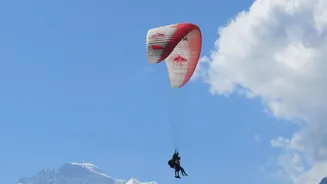
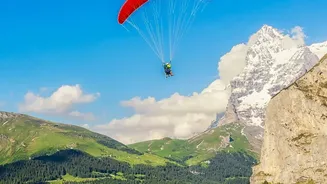
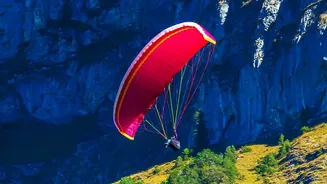
The magic of the May to September window comes down to meteorology. During these months, the weather in the Alps is generally stable, warm, and sunny. The sun heats the mountain slopes, creating reliable rising columns of air called 'thermals'. For paragliders,
these thermals are natural elevators, allowing for longer, higher flights. July and August typically have the strongest thermal conditions, perfect for performance-oriented flights that gain significant altitude. The days are also at their longest, extending the flying window from morning until evening. While flying is possible year-round, this five-month period offers the most consistent and enjoyable conditions for pilots of all levels.
A Month-By-Month Breakdown
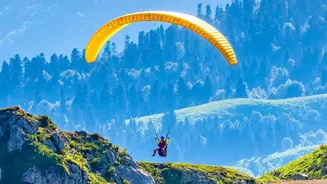
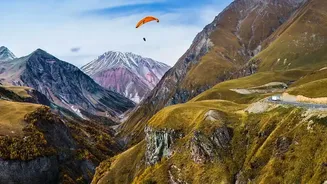
While the entire season is excellent, each month offers a slightly different experience. May and June are arguably the most beautiful months, with lush green valleys, snow-capped peaks, and exceptionally clear air. This period strikes a great balance of pleasant weather and fewer crowds. July and August are the warmest and busiest months. The powerful thermals are ideal for long-distance 'cross-country' flights, but launch sites can be crowded. For a gentler experience, morning or late afternoon flights are recommended. September is considered a well-kept secret by many pilots. It retains much of summer's warmth but with far fewer people, and the forests begin to display stunning autumn colours.
Top Spots for Every Skill Level
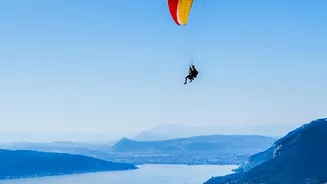
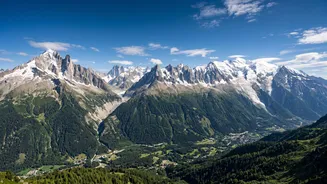
The French Alps are dotted with world-class flying sites. For first-timers, Annecy is the undisputed champion. Taking off from the Col de la Forclaz, you glide over the pristine, turquoise lake with a backdrop of limestone peaks. The site is so popular that it can see over 1,000 take-offs a day in peak summer. For those seeking more drama, Chamonix is the place to be. Launching from sites like Planpraz or even the Aiguille du Midi (for experts), you fly with an unparalleled view of Mont Blanc and its glaciers. It offers a higher-altitude, more intense experience. Another legendary site is Saint-Hilaire-du-Touvet, near Grenoble. Known as the spiritual home of free flight in France, it hosts the famous 'Coupe Icare' festival each September and offers reliable flying over the Grésivaudan valley.
Your First Tandem Flight: What to Expect
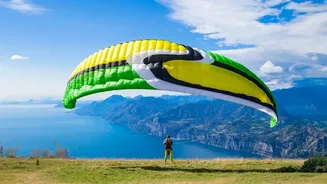
You don't need any experience to paraglide. A tandem flight involves being securely strapped into a harness in front of a certified instructor who handles all the controls. The process starts with meeting your pilot, who will drive you to the launch site and provide a safety briefing. At take-off, there's no jumping off a cliff. You and your pilot will simply run a few steps down a gentle slope until the wing inflates and lifts you smoothly into the air. Most people are surprised by how peaceful it feels. There's no engine noise, just the sound of the wind. The sensation is less like falling and more like floating, with your legs comfortably seated as if in a hammock, enjoying an unobstructed panoramic view. A standard discovery flight lasts between 10 and 20 minutes, while thermal flights can extend to 30 minutes or more. The landing is typically just as gentle, often requiring just a few steps upon touching down in a designated field.