



Putting the Peak in Perspective
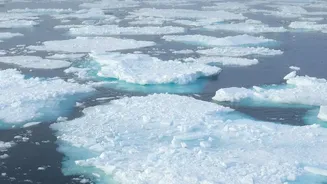
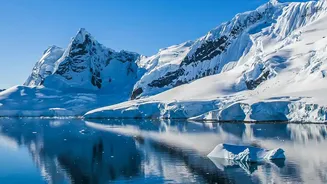
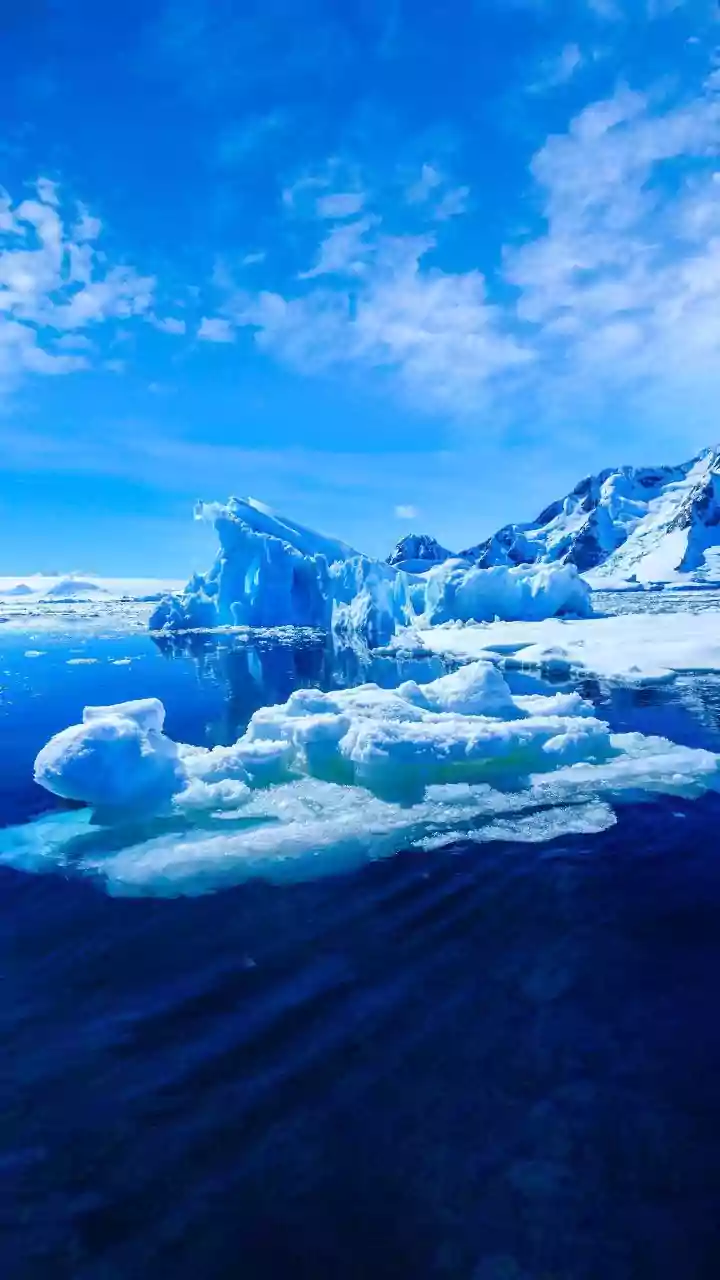
Every year, the sea ice surrounding Antarctica goes through a dramatic cycle. It melts to a minimum in February, the height of the southern summer, before expanding through the dark, cold winter to reach its maximum size, or 'extent', in September. This
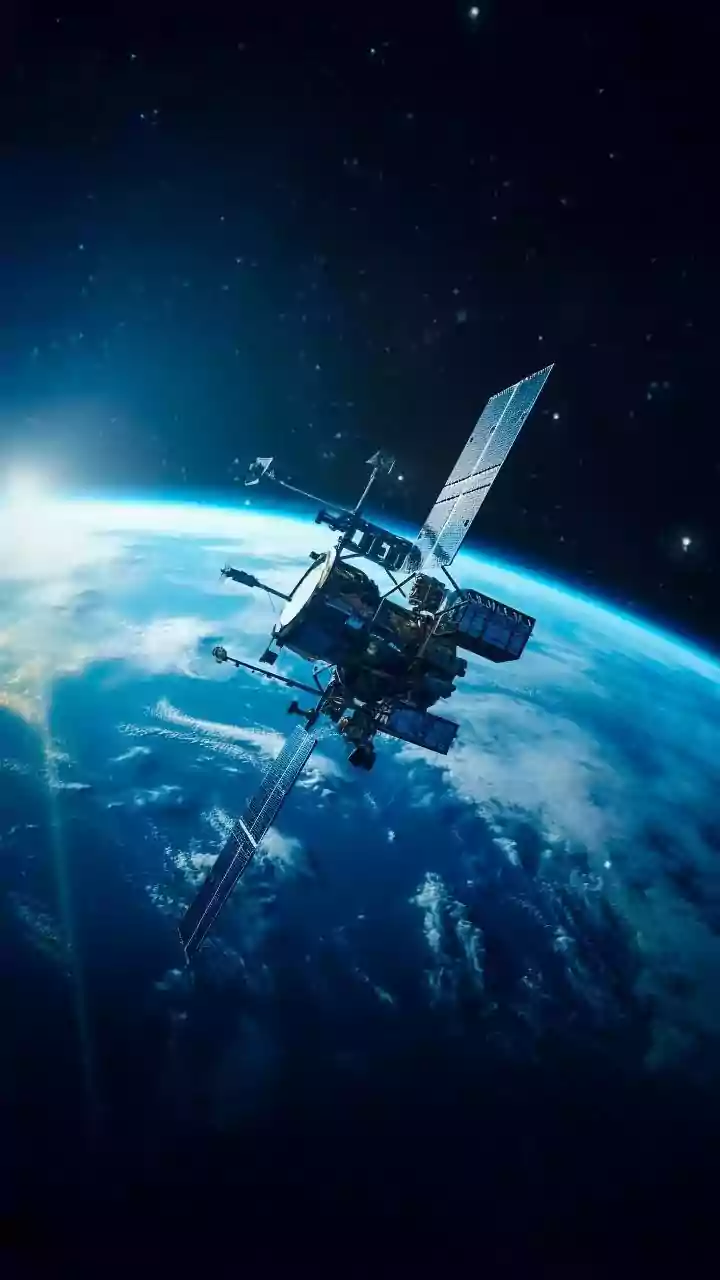
year's peak of 17.59 million square kilometres is the third-lowest winter maximum since satellite records began in 1979. More alarmingly, it marks the fourth consecutive year that the peak has been among the four lowest ever recorded. According to the U.S. National Snow and Ice Data Center, this figure is roughly one million square kilometres below the long-term average—an area of missing ice about twice the size of Spain.
Two Poles, Two Different Stories
For decades, the story of polar ice has been one of stark contrast. In the Arctic, sea ice has been in a clear and precipitous decline, a direct and well-understood consequence of rising global temperatures. Antarctica, however, has been more of a puzzle. Geographically, it's a continent surrounded by ocean, whereas the Arctic is an ocean surrounded by land. For many years, Antarctic sea ice extent was actually stable or even slightly increasing, defying climate models and showing high year-to-year variability. But since around 2016, that trend has sharply reversed. The continent has experienced a series of record or near-record lows in both its summer minimum and winter maximum, suggesting a fundamental shift may be underway.
What’s Driving the Decline?
Scientists are working to understand this sudden change, which doesn't appear to have a single, simple cause. The recent behaviour is believed to be the result of a complex interplay of factors. One major element is the warming of the Southern Ocean. For a long time, a surface layer of colder, less salty water acted as a lid, trapping warmer, saltier water deep below. Research suggests that stronger winds, potentially linked to climate change, are now causing more of this deep warm water to rise to the surface, where it can melt sea ice from below. Other atmospheric patterns, like the El Niño phenomenon, can also influence regional winds and temperatures, contributing to ice loss in specific areas like the Amundsen Sea.
Why Missing Sea Ice Matters Globally
The fate of floating sea ice in a distant ocean might seem abstract, but it has profound global consequences. Sea ice acts like a vast, white shield, reflecting the sun's energy back into space. When it disappears, the darker ocean surface absorbs more heat, creating a feedback loop that accelerates warming. Furthermore, this ring of sea ice serves as a protective buffer for Antarctica's massive land-based ice sheets and glaciers. It shields them from the erosive power of ocean waves. While melting sea ice itself doesn't significantly raise sea levels (as it's already floating in the ocean), the destabilisation and accelerated melting of the land-based ice it protects is the single greatest potential driver of future sea-level rise, threatening coastal communities worldwide, including along India's extensive coastline.