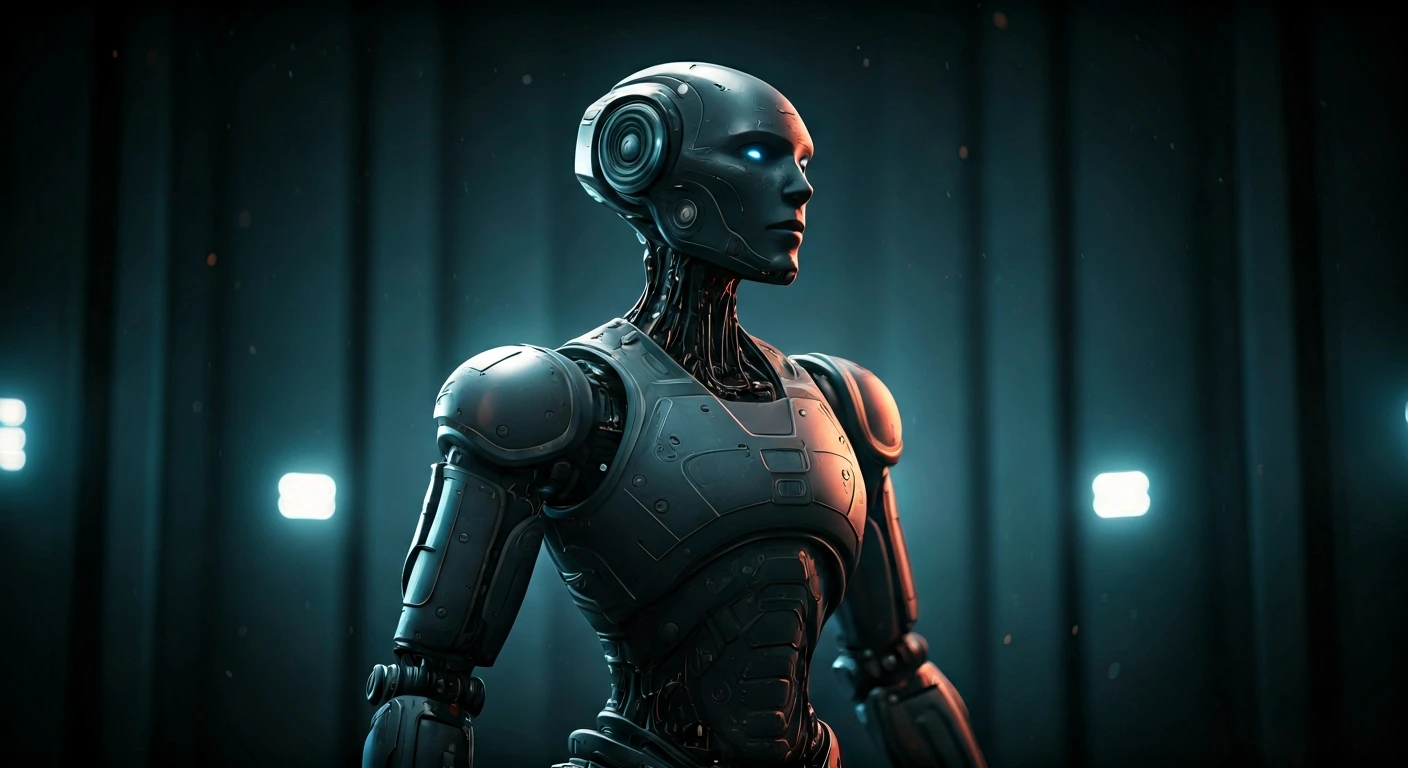





Meet the U1 Companion Robot
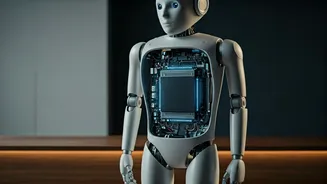
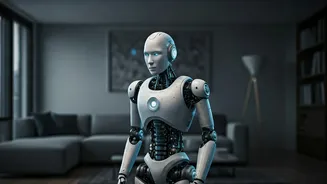
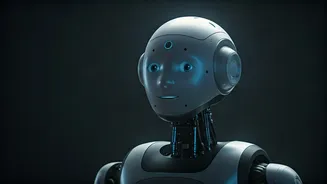
Chinese robotics firm UBTech has launched the U1 Series, a line of lifelike humanoid robots built for emotional support and home interaction. Pitched as an antidote to loneliness, these AI-powered companions are designed to hold conversations, recognize
human emotions, and even maintain eye contact. The company is targeting a large market of single people and elderly citizens, suggesting the robots can serve as partners that are, in the words of one executive, "always loyal to you." The launch is a significant step in bringing advanced humanoid robotics from industrial settings into private homes.
Two Genders, Two Sizes
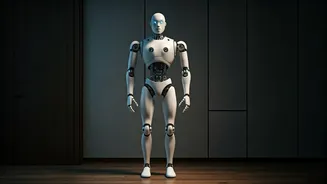
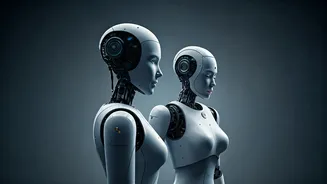
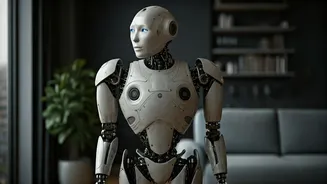
The most discussed feature of the U1 is its availability in distinct male and female versions. The differences are not just in voice or software, but physical. The male version stands at 183 cm, while the female version is 168 cm. The robots are covered in a realistic silicone skin, with some models featuring details like visible pores and fingerprints to enhance the human-like appearance. This explicit gendering goes beyond the software choices offered by voice assistants like Siri or Alexa and builds gender into the physical hardware of the product itself, a decision that has drawn both interest and scrutiny.
The Company's Justification
According to UBTech, offering male and female models is about providing deeper personalization and enhancing the user's emotional connection. The company says the robots are powered by an "emotional large language model" specifically designed for long-term companionship. By creating robots that are physically and perhaps behaviorally gendered, the company aims to create a companion that can better fit a user's home and personality. With over 13,000 pre-orders already placed, it seems many consumers are receptive to this vision of a personalized, AI-powered friend.
A History of Gendered Tech
The U1 is the latest, and perhaps most extreme, example in a long history of gendering technology. Early voice assistants from major tech companies famously defaulted to female voices, a choice critics argued reinforced harmful stereotypes of women in subservient or assistant roles. Studies have shown that people often attribute stereotypical traits to voices, perceiving female-coded voices as more helpful and male-coded ones as more authoritative. This isn't just user preference; it's often a result of biased data, as early text-to-speech systems were predominantly trained on female voices.
The Inevitable Backlash
The decision to release male and female robots has, unsurprisingly, triggered discussion about reinforcing outdated stereotypes. When technology is gendered, critics argue, it often relies on and perpetuates societal biases. For example, a helpful, emotionally supportive companion robot that is explicitly female could reinforce the stereotype that caregiving is a woman's role. AI ethicists have long warned that as AI becomes more integrated into our lives, there's a significant risk of encoding these biases into the very fabric of our digital world, limiting opportunities and shaping perceptions in ways that are hard to undo.
More Than a Machine?
As these humanoid companions move into our homes, the debate moves beyond just technology and into the realm of human relationships. While UBTech states the U1 is not designed for intimate relations "for now," the product's marketing, which has sparked social media discussions about "cyber boyfriends and girlfriends," clearly blurs the line. The company's focus on companionship for the lonely highlights a genuine societal need. Yet it also raises complex ethical questions about our growing emotional dependence on machines and whether a gendered robot is a helpful solution or a symptom of a deeper problem.