





The Allure of the Delicate Roll
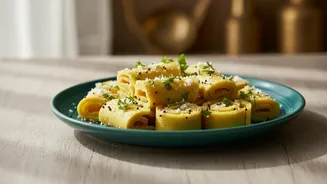
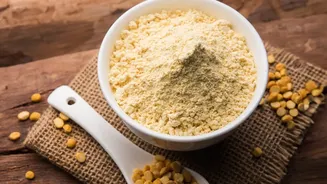
Suralichi Vadi, or Khandvi, is a melt-in-your-mouth snack made from a base of gram flour (besan) and yogurt or buttermilk. These bite-sized, tightly rolled morsels are mildly spiced and typically finished with a flavourful tempering of mustard seeds,
sesame seeds, and fresh coriander. What makes them so special is their unique texture: soft, silky, and incredibly tender. This unique quality, however, is also what makes them notoriously challenging for home cooks. Many have tried and been left with broken pieces or a gummy texture, but the path to perfection is clearer than you might think.
Why Most Attempts Go Wrong
The most common heartbreak in making Suralichi Vadi comes at the rolling stage. If the batter cracks, breaks, or is too sticky to roll, the entire effort can feel wasted. This failure usually points to one of two issues: the batter consistency was off, or it was spread incorrectly. An overcooked batter will be too dry and crack. An undercooked batter will be too sticky and fail to set, making it impossible to peel and roll. But the most critical error, even with a perfect batter, is spreading it too thickly. This prevents the sheet from cooling and setting evenly, leading to a disastrous rolling experience.
Perfecting the Batter Consistency
Before you can even think about spreading, your batter must be flawless. The foundation is a lump-free mixture of gram flour and a liquid, typically yogurt and water or just buttermilk. A common ratio is one part gram flour to two or three parts liquid, but sticking to a trusted recipe's measurements is key. The batter must be cooked over medium heat with constant stirring to prevent lumps and ensure it cooks evenly. This process can take 12-15 minutes. To check for doneness, spread a small amount on a greased plate. After a minute, if you can easily peel it away and it rolls without sticking, the batter is ready. If not, it needs a few more minutes on the heat.
Mastering the Thin Layer Technique
Once your batter is cooked to perfection, speed is of the essence. The mixture begins to set the moment it's off the heat, so you must work quickly to spread it while it's still hot. Have your spreading surfaces—the back of steel plates (thalis), a clean countertop, or large trays—lightly greased and ready to go. Pour a ladleful of the hot batter onto the surface and immediately use a spatula or scraper to spread it into a very thin, even layer. The thinner the layer, the more delicate and tender your final rolls will be. A thin layer cools down quickly and sets into a pliable sheet that’s perfect for rolling. A thick layer traps steam, remains gummy, and is far more likely to tear or crack.
Rolling with Confidence
After spreading, let the sheets cool for a few minutes until they are set but still pliable. At this point, you can sprinkle them with finely chopped coriander and freshly grated coconut. Using a knife or a pizza cutter, cut the sheet into straight strips, about two inches wide. Now, gently lift the edge of a strip and begin to roll it tightly but carefully. The goal is to create a neat, compact spiral. Place each finished roll onto your serving platter. The even thinness of your spread is what makes this step feel effortless rather than frustrating.
The Finishing Touch: A Flavourful Tadka
The final step is to prepare a tempering, or tadka. Heat a small amount of oil in a pan and add mustard seeds. Once they begin to crackle, add sesame seeds, a pinch of asafoetida (hing), and perhaps some curry leaves or chopped green chillies. Pour this sizzling tempering over the arranged rolls, ensuring each one gets a share of the aromatic seeds and oil. This not only adds a burst of flavour but also a beautiful finishing gloss to your perfectly crafted Suralichi Vadi.