








Why Ships Are Taking the Long Way Home
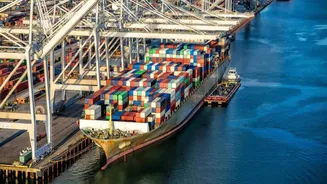
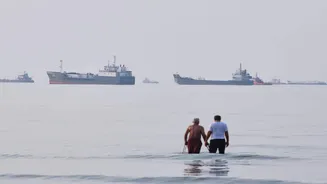
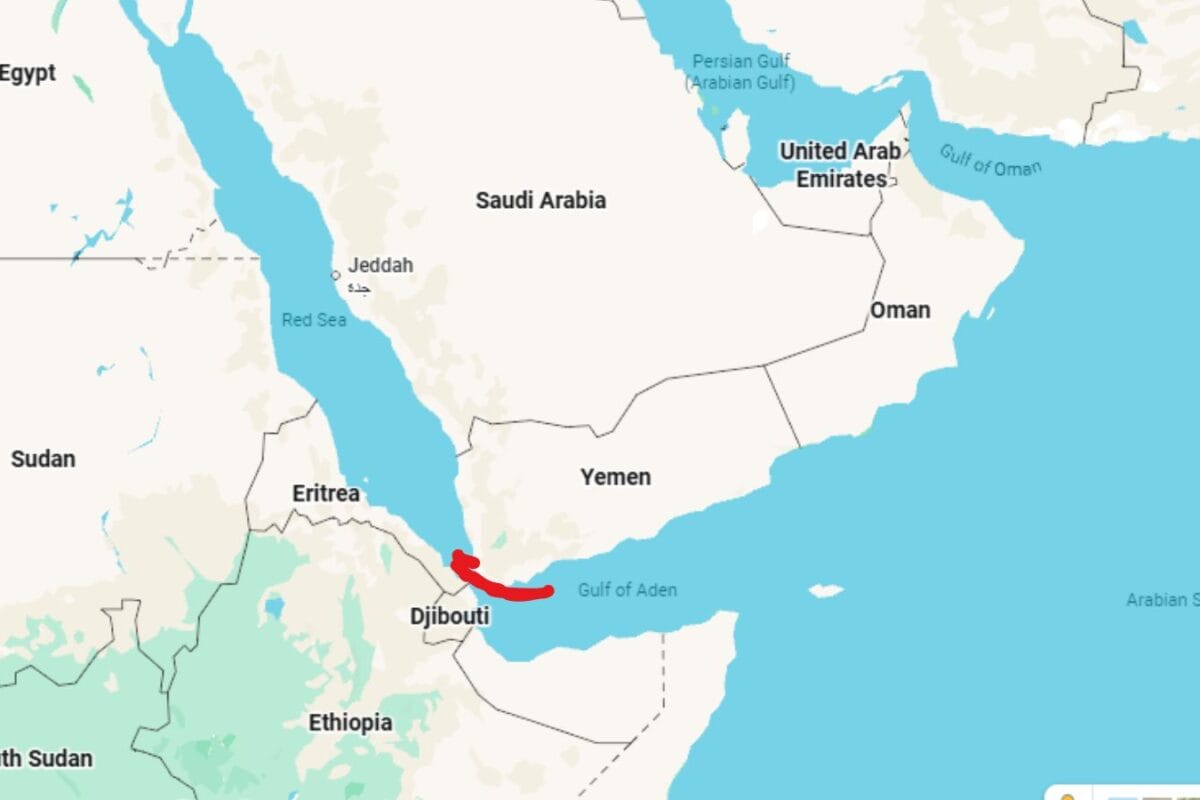
Global shipping is navigating treacherous waters, both literally and figuratively. Key maritime arteries, most notably the Red Sea, have become high-risk zones. Attacks on commercial vessels by militant groups have made the Bab el-Mandeb Strait, which
leads to the vital Suez Canal, too dangerous for many carriers. This single chokepoint handles about 12% of global trade, making any disruption a significant blow to the world economy. Faced with unacceptable risks to crews and cargo, shipping lines are choosing to avoid the area entirely. This isn't a minor inconvenience; it's a fundamental rerouting of global trade flows, prioritising security over the established efficiency of the last several decades.
The Anatomy of a Detour
The primary alternative to the Suez Canal is the much longer journey around Africa's Cape of Good Hope. This detour adds between 4,000 and 6,000 nautical miles to a voyage, extending transit times by an estimated 14 to 20 days. A trip that once had a predictable schedule now faces nearly three additional weeks at sea. This has a cascading effect on supply chains. It means more ships are needed to move the same amount of cargo to maintain delivery frequencies, effectively shrinking global container capacity by tying up vessels on these extended journeys. For businesses in India and worldwide, this translates to significant delays for both imported components and exported finished goods.
Counting the Staggering Costs
The financial impact of these detours is substantial. The most direct hit is on fuel. A single voyage around the Cape of Good Hope can add over $1 million in extra fuel costs per ship. But the expenses don't stop there. Insurance premiums have skyrocketed. War risk premiums for vessels transiting volatile regions have surged, in some cases rising to 0.7% of a ship's value for a single voyage. For a vessel valued at $100 million, that's an additional $700,000 charge just for insurance. These combined costs—fuel, insurance, and the operational expense of longer crew times and vessel wear—are passed down the chain, creating inflationary pressure across the board.
The Ripple Effect on Indian Trade
India is particularly exposed to these disruptions. The country relies on the Red Sea route for approximately 80% of its goods exports to Europe, which accounts for over 15% of its total exports. The detours create a double-edged sword for Indian businesses. Exporters in sectors like textiles, agriculture, and auto components face eroding competitiveness as higher freight costs and longer delivery times make their products more expensive and less timely for Western buyers. Simultaneously, importers face delays and increased costs for critical goods, including crude oil, electronics components, and machinery. For small and mid-sized firms with less ability to absorb these shocks, the impact on profit margins and cash flow can be severe.
A New, More Expensive Normal
The shipping industry and global businesses are adapting to what many see as a protracted period of instability. Carriers are resetting their fleet schedules and pricing models to account for the longer routes becoming the default. Some larger companies may have the leverage to negotiate rates or diversify their sourcing, but most are facing a difficult choice: absorb the higher costs, or pass them on to consumers. This situation is forcing a broader re-evaluation of supply chain strategies. The long-held focus on maximum efficiency and 'just-in-time' delivery is giving way to a new emphasis on resilience—building in buffers, securing alternative routes, and preparing for a future where global trade is inherently less predictable and more expensive.