



Beyond the Price: What is Food Value?
When you're managing your own kitchen for the first time, it's easy to think the cheapest food is the best value. But 'food value' is a smarter concept that balances three key things: nutrition, cost, and convenience. A packet of instant noodles is cheap and fast,
but it offers poor nutritional value. A home-cooked meal of dal, rice, and sabzi costs a bit more in time and money but delivers far greater nutritional benefits, making it a higher 'value' meal. For students and young professionals, mastering this balance is the secret to eating well without breaking the bank or spending hours in the kitchen.
The Nutrition Pillar: Fuel for Your Brain and Body
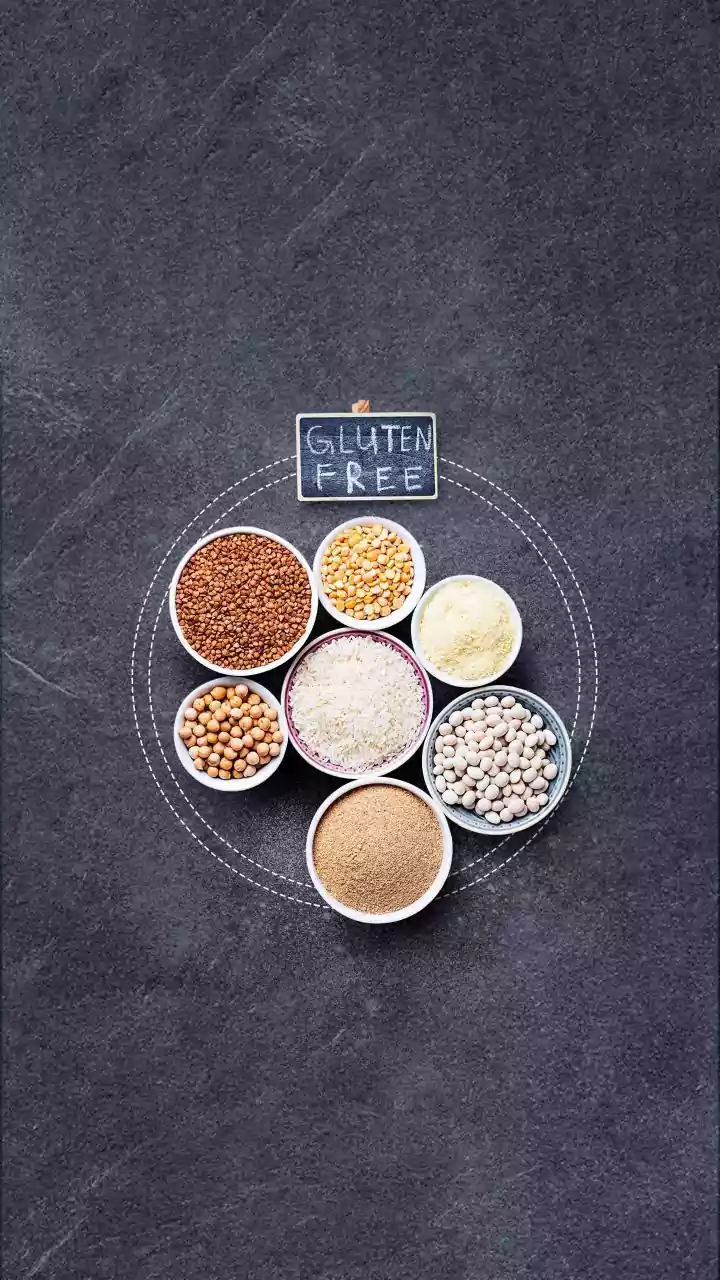
Hostel canteens and quick takeaways often lean heavily on refined carbs and oily preparations, leaving you feeling tired and sluggish. Prioritizing nutrition is crucial for concentration in class and energy through long workdays. This doesn't mean you need expensive 'superfoods'. Instead, focus on affordable Indian staples. Lentils (dal), chickpeas (chana), and kidney beans (rajma) are excellent sources of protein and fiber. Eggs are another budget-friendly protein powerhouse. Incorporating seasonal vegetables, which are always cheaper and fresher, and having a bowl of curd with meals can significantly boost your vitamin, mineral, and probiotic intake, supporting both your physical and mental health.
The Financial Pillar: Making Every Rupee Count
Managing a food budget is a new skill for many. The key is planning. Before you shop, take stock of what you already have to avoid buying duplicates. Make a weekly meal plan, even a loose one, and create a shopping list. This helps you avoid impulse buys. Visiting local vegetable markets instead of supermarkets for produce can lead to big savings. Buying grains, dals, and spices in larger quantities is often cheaper per unit, but only if you have the space to store them properly. Also, learn to love leftovers. Last night's sabzi can be today's sandwich filling, and extra dal can be turned into a delicious paratha stuffing, reducing food waste and saving you money.
The Convenience Pillar: Saving Time and Effort
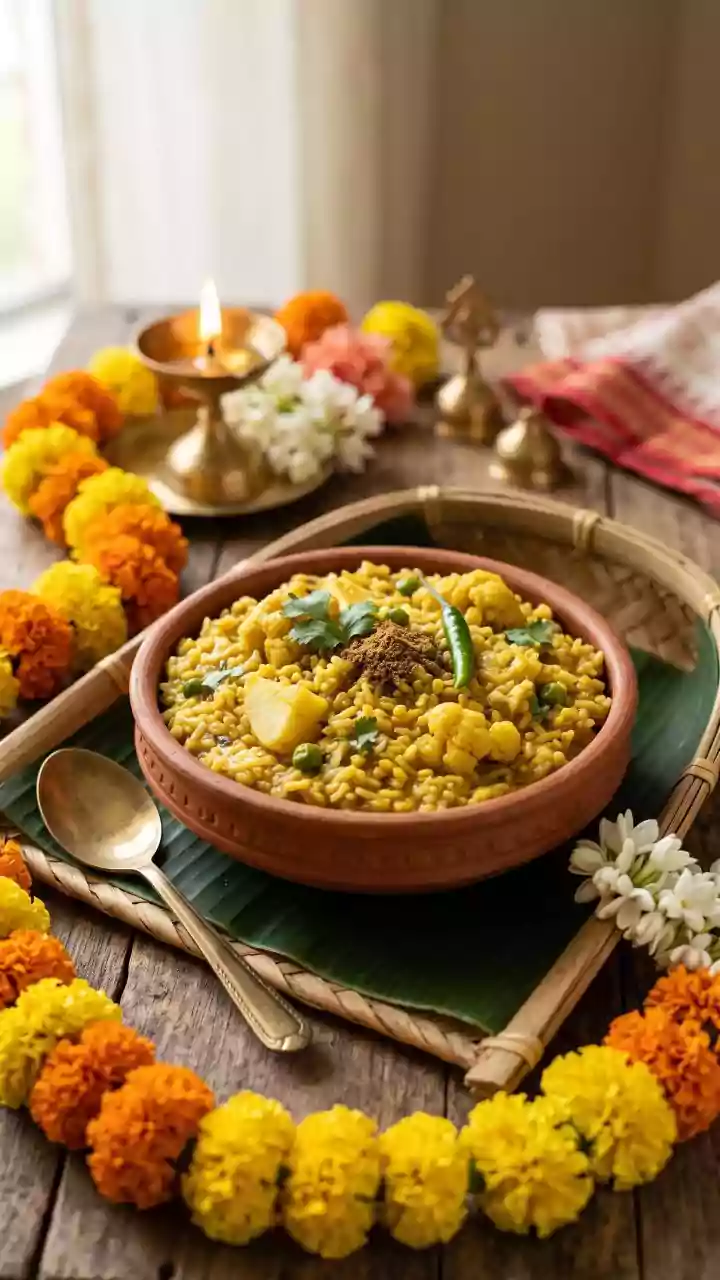
Between classes, assignments, and work deadlines, time is a luxury. Cooking can feel like a chore, which is why so many turn to takeaways. However, you can make convenience work for you. Basic meal prep is a game-changer. Spend an hour on the weekend boiling some dal, making a ginger-garlic paste, or chopping vegetables for the next two days. This cuts down daily cooking time significantly. Investing in a small pressure cooker can make cooking rice and dal incredibly fast. Simple one-pot meals like khichdi or vegetable pulao are nutritious, filling, and require minimal cleanup. Even ready-to-eat options can be made healthier by adding fresh vegetables.
Putting It All Together: A High-Value Mindset
So, what does a high-value meal look like? Think of a simple plate of rajma-chawal with a side of cucumber-tomato salad. The rajma provides protein and fiber, the rice offers carbohydrates for energy, and the salad adds essential vitamins and freshness. It’s cheap to make, relatively quick if you’ve soaked the beans beforehand, and vastly more nutritious than a slice of pizza or a plate of fries. Similarly, a breakfast of poha with peanuts and vegetables is quick, inexpensive, and keeps you full until lunch. The goal is to move away from choices based on just one factor—like cost or speed—and start making decisions that serve your health, your wallet, and your schedule all at once.