



The Silent Threat of Plaque
Just like with humans, the trouble in a pet's mouth begins with plaque—a sticky film of bacteria and food particles that forms on teeth. This process starts within hours of eating. If not removed, this soft plaque hardens into tartar (or calculus) within a few
days. Tartar is much harder to remove and creates a rough surface that attracts even more plaque. This buildup leads to gingivitis, which is the inflammation of the gums, making them red and swollen. If left unchecked, gingivitis can progress to periodontal disease, a more severe condition that damages the tissues and bone supporting the teeth.
Beyond Just Bad Breath
While bad breath is an early warning sign, the consequences of poor dental hygiene go far beyond an unpleasant smell. Periodontal disease is a painful condition that can lead to loose teeth, tooth loss, and difficulty eating. More alarmingly, the bacteria from an infected mouth can enter your pet’s bloodstream. Once circulating, these bacteria can travel to and damage vital organs. Studies have shown a strong link between periodontal disease and systemic health issues, including infections and inflammation in the heart, kidneys, and liver. Addressing dental health isn't just about preserving your pet's smile; it's about protecting their entire body.
Your Toothbrushing Toolkit
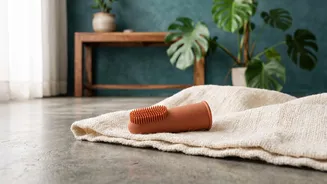
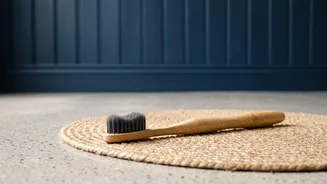
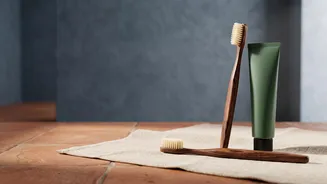
Getting started is simpler than you might think. You only need a few key items. First, a toothbrush designed for pets or a soft-bristled baby toothbrush will work. Finger brushes that fit over your fingertip are also a great option, especially for beginners or smaller pets. Second, you must use a toothpaste specifically formulated for pets. Human toothpaste is not safe for animals because it contains ingredients like fluoride and xylitol, which can be toxic if swallowed. Pet-friendly toothpastes come in appealing flavours like poultry or malt, which can make the experience more of a treat for your companion. For an added layer of confidence, look for products with the Veterinary Oral Health Council (VOHC) seal of approval, which indicates they are effective at reducing plaque and tartar.
A Step-by-Step Brushing Guide
Patience and positive reinforcement are key to success. Start slowly over several days or weeks. First, just get your pet used to you handling their mouth and lips. Reward them with praise or a small treat. Next, let them lick a small amount of pet toothpaste off your finger so they get used to the taste. Once they are comfortable, apply the paste to a finger brush or toothbrush and gently rub a few of the outer surfaces of their teeth in a circular motion. Focus on the outside surfaces, especially along the gumline, as this is where most plaque accumulates. You don't need to force their mouth open to brush the inner surfaces initially. Keep sessions short and positive, gradually increasing the number of teeth you brush until you can clean their whole mouth.
How Often Should You Brush?
For the best results, brushing your pet's teeth should be a daily habit. Daily brushing is the gold standard for removing plaque before it has a chance to harden into tartar. However, if daily brushing isn't realistic, aiming for at least three times a week can still provide significant benefits. Consistency is more important than perfection. The ideal time to start this routine is when your pet is a puppy or kitten, as they will adapt more easily. But it's never too late to begin. An older pet can learn to accept toothbrushing with a gentle and patient approach.
When Brushing Isn't an Option
Some pets may strongly resist having their teeth brushed. While brushing is the most effective method, there are alternatives that can help. Dental wipes, medicated oral gels, and water additives can reduce plaque and freshen breath. Certain dental diets and specially designed chews can also help scrape plaque off the teeth through mechanical action. When choosing chews, select products that are not excessively hard, as things like antlers or hard nylon bones can fracture teeth. These alternatives can be valuable tools in your pet's oral care routine, but they work best as a supplement to, rather than a complete replacement for, brushing and professional cleanings.