






The Science of a Spinning Blade
When you use a high-powered blender or food processor, the blades spin at an incredible speed. This rapid motion creates friction, which in turn generates a significant amount of heat. While this heat is often unnoticeable, it's enough to cook the delicate
herbs you're blending. This is the primary culprit behind your once-bright coriander or basil turning a disappointing shade of army green. The heat essentially bruises and wilts the leaves on a microscopic level, destroying the very freshness you're trying to capture.
Why Heat Harms Fresh Herbs
The vibrant green colour in herbs like mint, parsley, and basil comes from chlorophyll. This compound is sensitive to heat and oxygen. When the blender blades chop up the leaves, they break down the cell walls, exposing the chlorophyll to both heat and air. This process, known as oxidation, is what causes the browning. It doesn't just affect the colour; it also degrades the flavour, leaving you with a sauce that tastes less fresh and punchy than its ingredients promised. Other common methods to prevent this, like blanching the herbs in boiling water before shocking them in an ice bath, are effective but add extra steps and dishes to your cleanup.
The Brilliant Ice Cube Solution
Adding one or two ice cubes to the blender along with your herbs is the easiest way to combat both heat and oxidation. The ice immediately lowers the temperature inside the blender jar, counteracting the friction-generated heat from the blades. This 'shocks' the herbs, preserving the chlorophyll and keeping them bright and green. As the ice breaks down, the small amount of water it releases also helps the ingredients move around more freely, allowing for a smoother blend without over-processing the herbs. This helps create a better emulsion, resulting in a cohesive and creamy sauce rather than a separated one.
How to Use This Trick Effectively
The application is simple. When you add your herbs, garlic, nuts, and other solid ingredients to the food processor or blender, just toss in one or two standard-sized ice cubes before you start pulsing. You'll hear the ice rattling at first, but it will quickly break down and incorporate into the mixture. Once it’s mostly blended, you can stream in any liquids like oil or lemon juice. Don't worry about the sauce becoming watery; the minimal amount of water from a single cube is just enough to help with blending and will not dilute the flavour. In fact, it often improves the final texture. For best results, add the ice at the beginning of the blending process with the solid ingredients.
Beyond Pesto: Perfect for Indian Chutneys
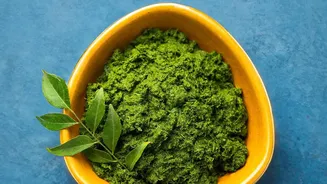
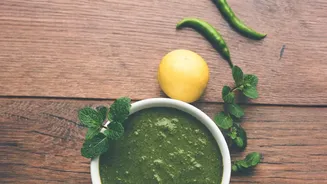
While this technique is famous for keeping Italian basil pesto green, it's a game-changer for Indian cooking as well. Think of your classic green chutney made with coriander and mint. Adding an ice cube will help it retain that beautiful, fresh green colour that is so much more appealing. This trick works wonders for any uncooked sauce or dip where delicate greens are the star. It can be applied to parsley, arugula, and other leafy herbs. You can even use it in green smoothies to keep them cool, vibrant, and refreshing without relying solely on frozen fruit.