



Understanding the Current Situation
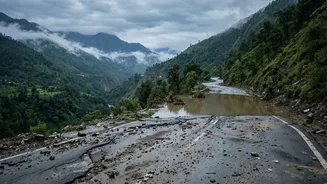
On August 26, 2026, a catastrophic flash flood originating from a glacial collapse near the Tibet border swept down the Bhotekoshi and Trishuli river corridors. This was not a typical monsoon event but a major natural disaster that caused extensive damage
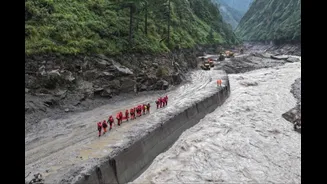
to roads, bridges, and infrastructure in several districts north of Kathmandu. The primary affected districts are Rasuwa, Nuwakot, Dhading, and Gorkha. The Nepal Tourism Board issued an urgent advisory, and search and rescue operations are ongoing. While the disaster is severe, it's crucial to understand that its impact is geographically concentrated. Major tourism hubs like Kathmandu, Pokhara, and the Everest and Annapurna trekking regions are not directly in the flood zone and remain operational.
Key Areas and Routes Affected
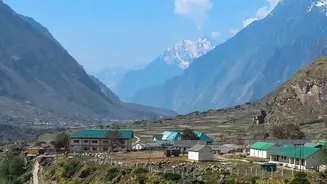
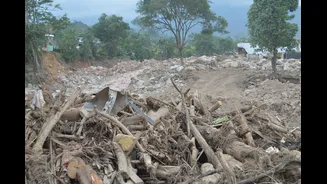
The most significant damage is concentrated along the river corridors flowing from the north. The district of Rasuwa, which is the gateway to the Langtang Valley and Gosaikunda trekking areas, has been hit hardest. Settlements like Syaphrubesi and Timure have suffered major damage, and the main road to the Langtang trailhead was destroyed. Consequently, travel to the Langtang region is strongly discouraged until infrastructure can be rebuilt. Key highways connecting Kathmandu with northern and central districts, including sections of the Prithvi Highway and the road to Rasuwa, faced closures and restrictions. While some routes have reopened, the situation remains fluid, with ongoing risks of landslides. Authorities are urging travellers to avoid these specific areas and postpone trips to affected destinations.
Impact on Popular Trekking and Travel Plans
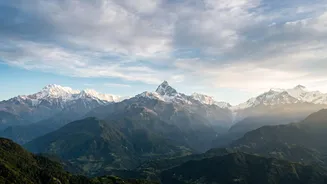
For travellers with existing plans, the impact depends entirely on the destination. Treks in the Langtang Valley are, for now, not feasible due to the destruction of access roads. On the other hand, popular trekking routes like the Everest Base Camp trek, which relies on flights to Lukla, and most treks in the Annapurna region (Annapurna Base Camp, Poon Hill) are physically unaffected by this specific flood event and continue to operate. Overland travel between major cities like Kathmandu and Pokhara may experience delays if highways are temporarily closed due to monsoon-related landslides, which is a normal risk during this season. However, flights between these cities are operating normally. The key is to distinguish between the severely flood-hit northern corridor and the rest of the country.
Essential Tips for September Travellers
Flexibility and communication are paramount. If you have a trip booked, your first step should be to contact your airline, hotel, and local trekking or tour operator for the latest on-the-ground information. Do not rely on old information, as conditions can change rapidly. Building extra 'buffer' days into your itinerary is highly recommended to account for potential road or flight delays. Ensure you have comprehensive travel insurance that covers trip cancellations, interruptions, and medical evacuation. Monitor official sources like the Nepal Tourism Board and the Department of Hydrology and Meteorology for real-time updates. For those planning overland travel, checking the status of highways before setting out is critical. Pack waterproof gear, as even outside the flood zones, late monsoon showers are common in early September.
Considering Alternatives and Staying Safe
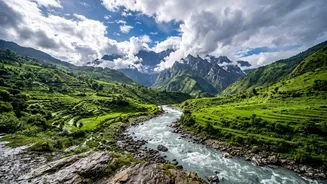
If your original plans involved the Langtang area, it is wise to work with your travel provider to select an alternative. The Annapurna and Everest regions offer world-class trekking experiences and remain accessible. Cultural tours within the Kathmandu Valley, visiting its UNESCO World Heritage sites, are also unaffected and offer a rich travel experience. The city of Pokhara, with its beautiful lake and mountain views, is another safe and viable destination. While September generally marks the beginning of the prime trekking season with lush green landscapes and clearing skies, this year demands extra caution. Always heed the advice of local authorities and your guides. Do not attempt to cross flooded areas or travel on roads that have been declared unsafe.