



Why Protein is the Satiety Superstar
Protein is the most satiating of the three macronutrients, which also include fats and carbohydrates. When you eat a protein-rich meal, your body reduces levels of the hunger hormone ghrelin. Simultaneously, it boosts satiety hormones that help you feel
full and satisfied for a longer period. This metabolic response means that a meal balanced with adequate protein can prevent the energy dips and cravings that often strike mid-afternoon. Without enough of it, a meal heavy in simple carbohydrates can lead to a quick spike and subsequent crash in blood sugar, triggering hunger soon after you've eaten.
Common Vegetarian Lunch Traps
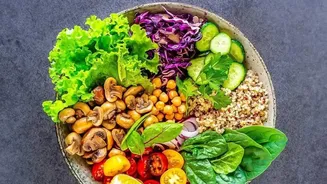
Many well-intentioned vegetarian lunches fall into a few common traps that leave them low on protein. A classic example is a large salad composed mostly of leafy greens, cucumber, and tomatoes with a light vinaigrette. While rich in vitamins, it lacks a substantial protein source to give it staying power. Another pitfall is a big bowl of pasta with a simple vegetable sauce. While comforting, refined pasta and a sauce without a protein boost can digest quickly, leaving you hungry again in no time. The key is shifting the mindset from simply removing meat to intentionally adding dense plant-based nutrition.
Power Up with Plant-Based Proteins
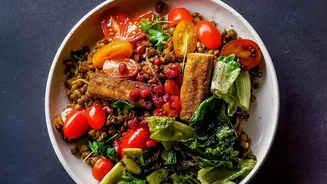
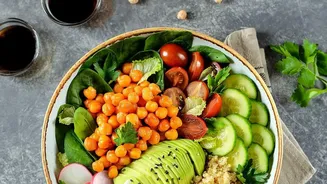
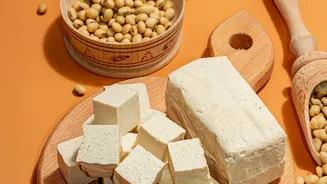
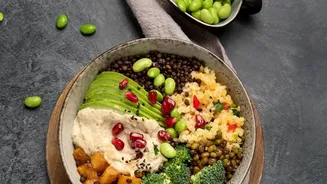
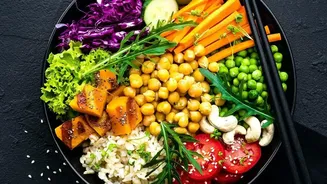
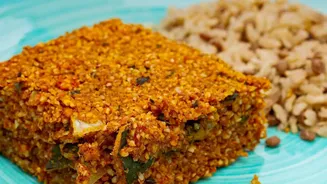
Boosting the protein content of your vegetarian meals is easier than you think. Legumes are a fantastic and affordable foundation. A cup of cooked lentils packs around 18 grams of protein, while chickpeas and black beans are also excellent choices for salads, curries, and wraps. Soy products are another powerhouse; a block of firm tofu or a serving of tempeh can be easily marinated and added to stir-fries or sandwiches. Don't overlook edamame, which is great as a snack or tossed into bowls. For lacto-vegetarians, Greek yogurt and paneer are dense protein sources that add creaminess and flavour. Even seeds and nuts, like pumpkin seeds, almonds, or a scoop of hemp hearts, can significantly increase the protein count of any dish.
The Supporting Roles of Fibre and Fat
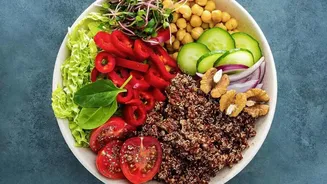
While protein is the headliner, it doesn’t work alone. Fibre and healthy fats are crucial supporting actors in the quest for satiety. Fibre, found abundantly in whole grains, legumes, fruits, and vegetables, slows digestion and helps stabilise blood sugar levels. Combining protein with fibre-rich complex carbohydrates like quinoa, brown rice, or whole-wheat bread creates a meal that is digested much more slowly. Healthy fats, from sources like avocado, nuts, seeds, and olive oil, also contribute to a feeling of fullness. A drizzle of olive oil on your salad, a handful of walnuts, or a few slices of avocado not only adds flavour and texture but also makes your meal more satisfying.
Building a Better, Balanced Plate
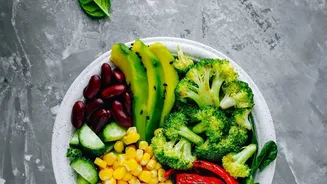
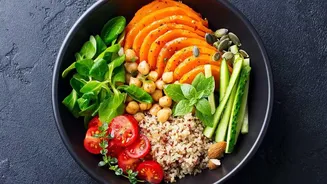
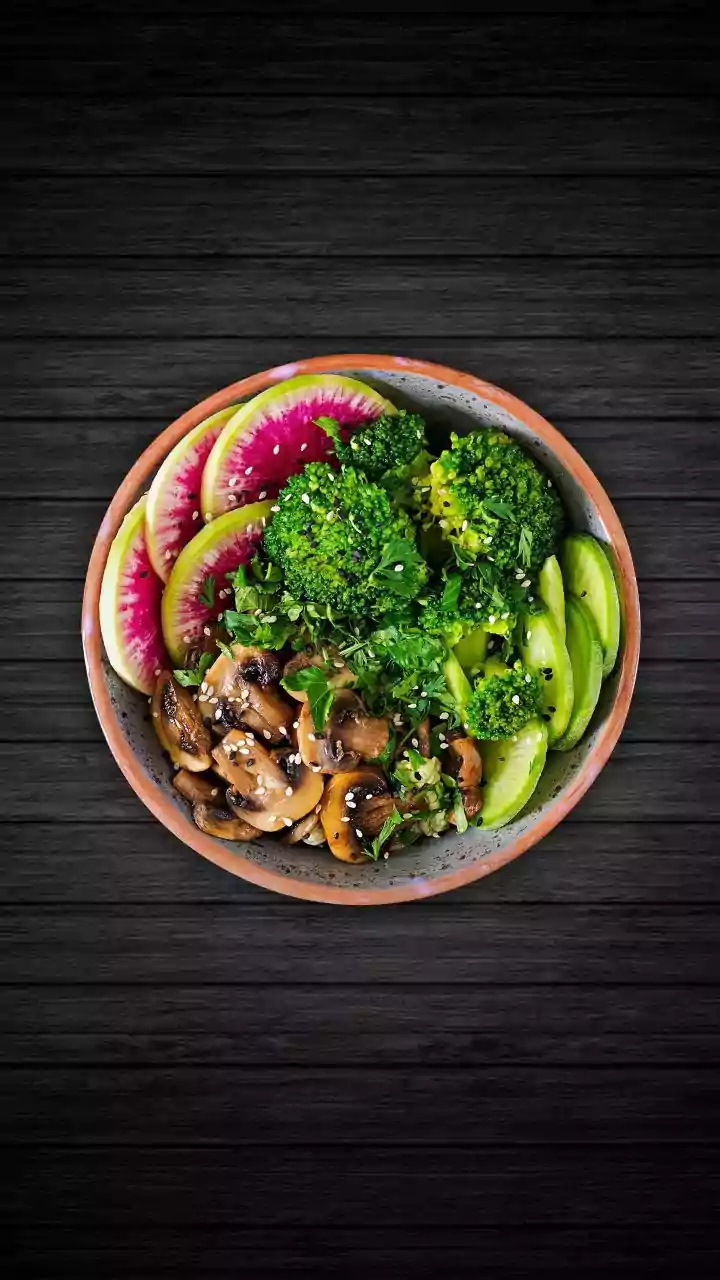
To create a vegetarian lunch that truly satisfies, aim for a simple balance. A good rule of thumb is to fill half your plate with non-starchy vegetables for their fibre and micronutrients. Dedicate one-quarter of your plate to a solid protein source, such as a cup of chickpeas, a portion of grilled tofu, or a serving of paneer. The final quarter should be reserved for a complex carbohydrate like quinoa or a slice of whole-grain bread. Finish with a serving of healthy fat—perhaps a sprinkle of sunflower seeds or a creamy tahini-based dressing. This formula ensures you get a powerful combination of protein, fibre, and healthy fats that will keep you energised and focused throughout your afternoon.