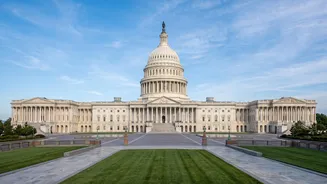


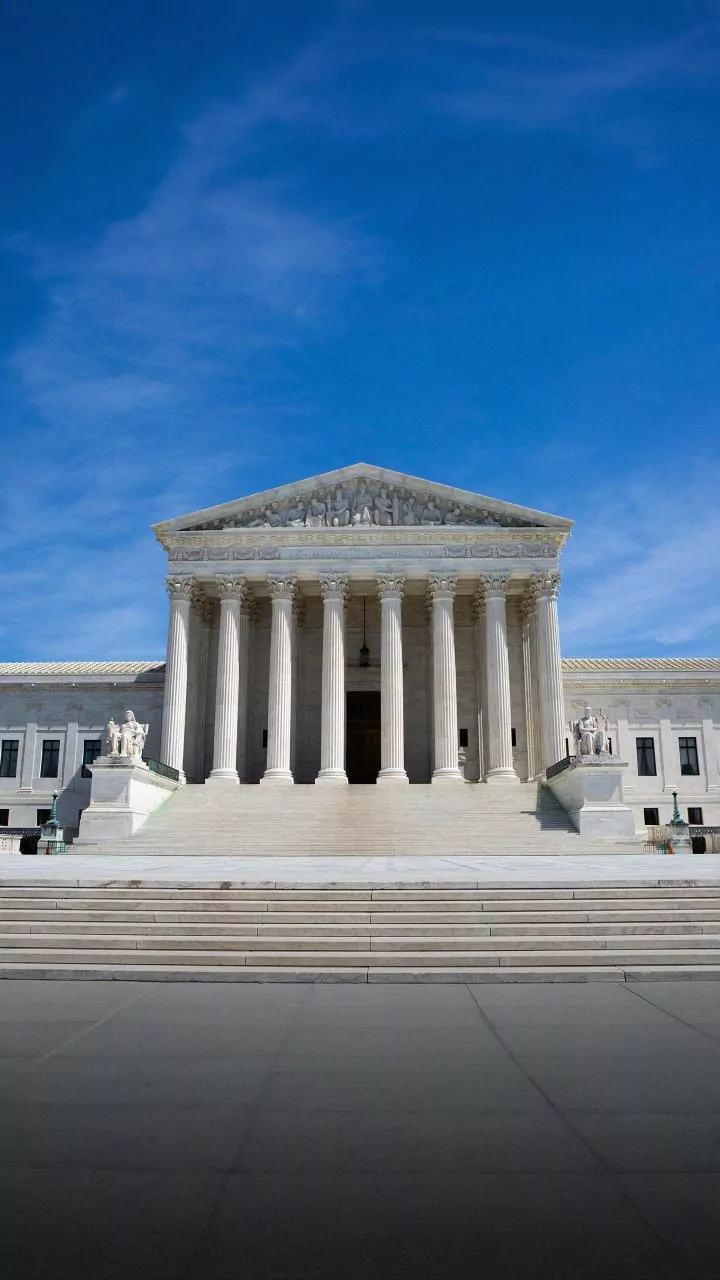


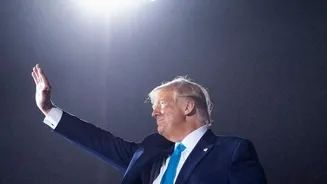
The 2026 midterm elections are over, and the results have fundamentally altered the political dynamics in Washington. This shift reshapes the relationship between Congress and the White House, directly influencing President Trump's legislative agenda.
A New Balance of Power
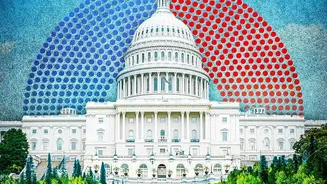
Midterm elections often serve as a referendum on the sitting president, and historically, the president's party tends to lose seats in Congress. This year's results have created a 'divided government,' a situation where one party controls the White House while the other controls at least one chamber of Congress—in this case, the Democrats have won majorities in both the House and the Senate. This is a significant shift from the previous unified government. The party in the majority controls the legislative agenda, deciding which bills get a vote and leading powerful committees. With Democrats now setting the agenda in both the House and Senate, President Trump faces a much more challenging path to passing his preferred policies.
How a Bill Becomes a Law
To understand the new reality, it's crucial to remember how laws are made in the United States. A proposed law, or bill, must be passed by a simple majority in both the House of Representatives and the Senate. Once both chambers approve the exact same version of a bill, it is sent to the president. The president can then sign it, making it law. However, if the president disagrees with the legislation, he has a powerful tool at his disposal: the veto. This system of checks and balances was designed by the framers of the Constitution to prevent any single branch of government from becoming too powerful.
The President's Strongest Weapon: The Veto
A presidential veto is a formal rejection of a bill passed by Congress. As outlined in Article I, Section 7 of the Constitution, the president can return the bill unsigned to the house of Congress where it originated, along with his objections. This action effectively stops the bill from becoming law. In a divided government, the veto becomes a critical defensive tool for a president facing a legislature controlled by the opposition. President Trump can now block Democratic-led initiatives that he opposes, from spending bills to policy changes on issues like healthcare and the environment. The mere threat of a veto can also be a powerful negotiating tactic, forcing congressional leaders to alter legislation to make it more acceptable to the White House before it even comes to a vote.
Overriding a Veto: A Steep Climb
A presidential veto is not an absolute final word. Congress has the power to override it, but the threshold is deliberately high. To make a vetoed bill into law, two-thirds of the members in both the House and the Senate must vote to override the president's decision. This is a far more difficult standard than the simple majority needed for initial passage. Achieving a two-thirds consensus requires significant bipartisan support, which is exceptionally rare in today's highly polarized political climate. Historically, very few presidential vetoes have ever been overridden; only about 7% since 1789. This high bar ensures that a president's objections are taken seriously and can only be bypassed when there is overwhelming agreement in the legislature.
Gridlock, Compromise, or Executive Action?
The new divided government sets the stage for two years of potential legislative gridlock. With Democrats controlling Congress and a Republican president ready to use his veto power, passing major, transformative laws will be exceedingly difficult. This stalemate may force both sides to seek compromise on areas of mutual interest or risk getting nothing done. However, when faced with a resistant Congress, presidents often turn to other tools to advance their agenda. Expect the Trump administration to rely more heavily on executive orders and agency rulemaking, which do not require congressional approval, to implement its policies. While a Democraticled Congress will increase its oversight and investigations into the administration, the fundamental dynamic for any next two years will be one of conflict and negotiation, with any veto pen looming large over every legislative debate.