





The Nutritional Showdown
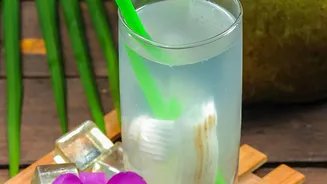
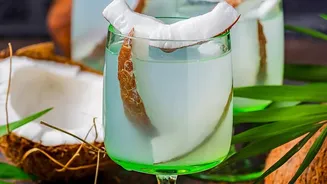
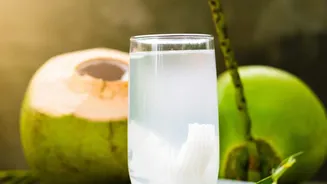
When we break it down, coconut water and buttermilk (chaas) are quite different. Coconut water is nature's electrolyte drink, famously rich in potassium, which is crucial for fluid balance. It's also low in calories and fat. Buttermilk, on the other hand,
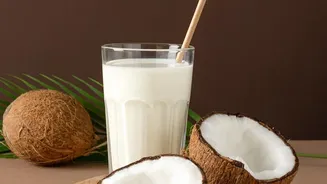
brings more to the table in terms of protein and calcium. While both contain electrolytes, coconut water often has a slight edge in potassium content. Buttermilk shines with its B vitamin profile and, when fortified, Vitamin D. Where buttermilk really stands out is its probiotic content. This fermented drink is packed with beneficial bacteria that aid digestion and support gut health, a benefit coconut water doesn't provide.
Hydration: Quick Fix vs. Cooling Soother
So, which one actually hydrates you better? It depends on the situation. For rapid rehydration after sweating heavily or a light workout, coconut water is arguably superior. Its specific blend of electrolytes, particularly potassium, helps replenish what you lose through sweat quickly. Think of it as a natural, light sports drink. Buttermilk, with its high water content, is also an effective hydrator. Its real advantage comes from its cooling effect on the body and digestive system. It's the ideal drink to have with a meal or to sip on throughout the day to keep your system calm and cool, especially during intense summer heat.
What Has Actually Changed?
The biggest shift isn't in the drinks themselves, but how we consume them. Both coconut water and buttermilk have exploded in the packaged beverage market. This is the most significant change. Traditionally, both were enjoyed fresh—coconut water straight from the nut and buttermilk prepared at home. Today, supermarket aisles are filled with tetra packs and bottles. While convenient, this processing often changes the nutritional profile. Packaged versions can contain added sugars, preservatives, and artificial flavours that diminish their health benefits. Furthermore, processing like pasteurisation can reduce the potency of natural enzymes and vitamins. We're also seeing innovation, with new products like prebiotic-fortified coconut water and various spiced or flavoured buttermilk options hitting the market.
The Fresh vs. Packaged Dilemma
This leads to a crucial point: fresh is almost always best. Fresh coconut water provides its electrolytes and enzymes in their most natural, effective state. Once exposed to air or processed with heat, its delicate balance begins to change. Similarly, homemade buttermilk offers the most potent probiotic benefits. Many commercial buttermilk drinks are simply yogurt-based beverages that may not have the same live cultures as traditionally fermented chaas. When choosing a packaged option, it's vital to read the label. Look for products with no added sugar, minimal ingredients, and ideally, those that are cold-pressed or state that they contain live cultures.
Cost, Convenience, and Culture
In India, both drinks are culturally ingrained and widely available. Fresh coconut water, sold by street vendors, is an everyday sight. Buttermilk is a staple in millions of homes, often consumed with daily meals. In terms of cost, homemade buttermilk is incredibly economical. Packaged versions of both drinks are more expensive, trading cost for convenience. Your choice might simply come down to what's available and what your budget allows. Coconut water offers a quick, on-the-go hydration fix, while buttermilk is the comforting, post-meal digestive aid.
The Final Verdict
There's no single winner in the battle between coconut water and buttermilk. The best choice depends entirely on your needs. For quick electrolyte replenishment after exercise or on a very hot day, coconut water is an excellent choice. For daily digestive health, a cooling effect, and a more filling beverage with meals, buttermilk is unmatched. The most important takeaway in today's market is to be mindful of the source. Opt for fresh whenever possible, and if you choose packaged, become a diligent label-reader. Integrating both into your routine might be the smartest strategy to stay hydrated and healthy.