




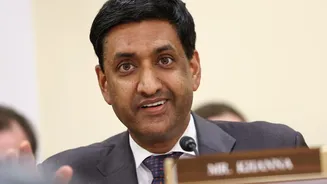
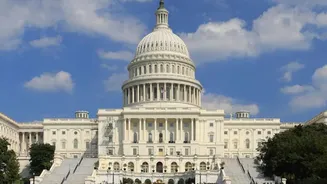
The US midterm elections are over, and with Democrats taking control of both the House and Senate, a new political reality is taking shape in Washington. For India, this shift introduces fresh uncertainty into the already complex economic relationship.
A New Power Dynamic in Washington
The Democratic Party's victory in both chambers of the US Congress marks a significant political setback for President Donald Trump. While the President retains significant executive authority, particularly in foreign policy and trade, he now faces an opposition-controlled legislature for the final two years of his term. This means any new legislation will require bipartisan support, and the President's agenda, including his trade policies, will face much greater scrutiny from congressional committees, which will now be chaired by Democrats. This sets the stage for potential gridlock but also creates new avenues for negotiation and oversight that were absent when Republicans controlled Congress.
The Unfinished Trade Deal
A comprehensive India-US trade agreement remains a key, yet elusive, goal for both nations. In February 2026, the two sides announced a framework for an interim deal. This framework proposed that the US would apply an 18% reciprocal tariff on certain Indian goods, while India would lower duties on various American agricultural and industrial products. However, this was not a signed agreement, and the legal basis for the proposed 18% tariff, which relied on the International Emergency Economic Powers Act (IEEPA), was struck down by the US Supreme Court shortly after the announcement. As it stands, most Indian goods face a 10% duty imposed under a separate Section 301 investigation, highlighting the fragmented and uncertain tariff environment Indian exporters must navigate.
Two Competing Theories Emerge
Analysts are divided on what the midterm results mean for the pending trade deal. One theory suggests that President Trump, weakened domestically, will aggressively seek a foreign policy 'win' to demonstrate his strength. This could lead him to use his executive powers to increase pressure on New Delhi for a quick deal, potentially pushing for major concessions on market access for US farm and industrial goods. Conversely, another school of thought posits that a Democrat-controlled Congress gives India more breathing room. With the President's ability to impose tariffs unilaterally now facing greater congressional oversight, Indian negotiators may feel emboldened to hold out for more favourable terms, believing the administration's leverage has been curtailed.
Bipartisan Consensus on Protectionism?
Indian businesses hoping for a swift rollback of tariffs might be disappointed. A growing sentiment in Washington, shared by members of both parties, favours economic nationalism and the protection of domestic industries. Democrats, while critical of President Trump's methods, often support protective tariffs to safeguard local union jobs. This bipartisan consensus means that even with new leadership in Congress, the overall American trade posture is unlikely to reverse course dramatically. The focus may shift from unilateral presidential actions to more legislated and debated trade policies, but the underlying protectionist impulse may remain, creating a challenging environment for Indian exporters.
Beyond Tariffs: Visas and Investments
The economic relationship extends beyond trade in goods. Immigration policies, particularly the H-1B visa program crucial for India's IT sector, will also be affected. A Democratic Congress is expected to increase scrutiny of the Trump administration's restrictive visa policies, potentially blocking further tightening of rules and fees. This could be a significant relief for Indian professionals and the tech companies that rely on them. Furthermore, some analysts predict the election outcome could put downward pressure on the US dollar and bond yields, potentially encouraging foreign institutional investors (FII) to increase flows into the Indian stock market.