





The Gateway with Its Own Identity
Dimapur is Nagaland’s largest city and its primary commercial hub, unique for having the state's only airport and major railway station. For many travellers, it's the first taste of Nagaland before they ascend into the hills towards Kohima and beyond.
This functional role often leads to it being overlooked as a destination in its own right. However, to see Dimapur merely as a stopover is to miss the vibrant, chaotic, and culturally rich experience it offers. It’s a city that doesn't just present sights; it immerses you in the living, breathing pulse of modern Nagaland, a place where history and commerce collide.
A Glimpse of History: The Kachari Ruins
The most significant 'sight' in Dimapur is the Kachari Rajbari Ruins. These mysterious, mushroom-domed sandstone pillars are the last remnants of the Dimasa Kachari Kingdom, which flourished here from the 10th century until the Ahom invasion in the 16th century. The purpose of these pillars remains a subject of debate among historians; theories suggest they were either memorials or held ritualistic significance. Walking among these monoliths, some still standing tall while others have crumbled, offers a quiet, contemplative break from the city's bustle and a tangible connection to the region's pre-Ahom past. It's a striking historical site that confirms Dimapur has more to offer than just its transport links.
An Immersion in Local Life: The Markets
If the ruins are Dimapur’s historical soul, its markets are its beating heart. This is where the city shifts from 'sight' to pure 'experience'. The famous Hong Kong Market and New Market are bustling hubs of activity. Unlike a sanitized tourist bazaar, these are authentic local markets where people from all over Nagaland come to trade. Hong Kong Market is known for its trendy, often imported, clothing and accessories from Myanmar and Thailand, making it something of a fashion capital for the state. New Market, on the other hand, is a vibrant kaleidoscope of fresh produce, local Naga food ingredients like smoked pork and fermented soybean (axone), and everyday household goods. Exploring these markets is an experience for all senses and a direct line into the daily life and commerce of the Naga people.
Beyond the City Centre: Nature and Crafts
Just beyond the immediate urban sprawl, Dimapur offers experiences of a different kind. Triple Falls, located in the Seithekima area, provides a scenic natural getaway with its three cascading streams. For those interested in local craftsmanship, a visit to Diezephe Craft Village is a must. Here, you can witness skilled artisans at work, specialising in traditional Naga woodcarving, weaving, and bamboo crafts. These excursions showcase another facet of the Dimapur experience, blending natural beauty with the rich artistic heritage of the Naga tribes. While technically now in the neighbouring Chümoukedima district, these spots are easily accessible from Dimapur and are integral to the travel experience in the area.
The Verdict: A City of Experiences
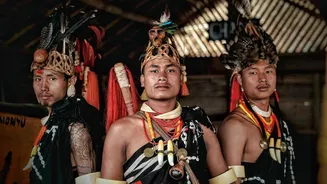
So, is Dimapur a sight or an experience? The answer is that it is fundamentally a city of experiences, punctuated by a few key sights. You don't come to Dimapur with a checklist of monuments in the way you might in other historical cities. You come to Dimapur to feel the energy of a frontier town, to taste its unique food, to navigate its lively markets, and to witness the confluence of different Naga tribes and cultures in one place. The Kachari Ruins provide a profound historical anchor, but the true essence of Dimapur is found in its motion, its people, and its role as the dynamic heart of Nagaland. For the traveller willing to look beyond a simple itinerary, Dimapur offers a rewarding and authentic introduction to the region.