



The A2 E-Tron Makes its Debut
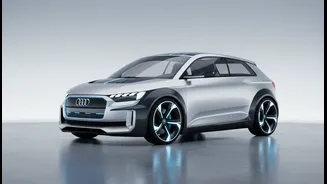
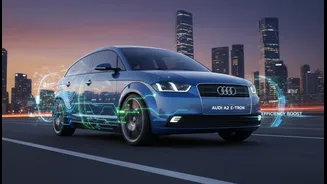
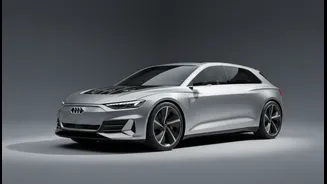
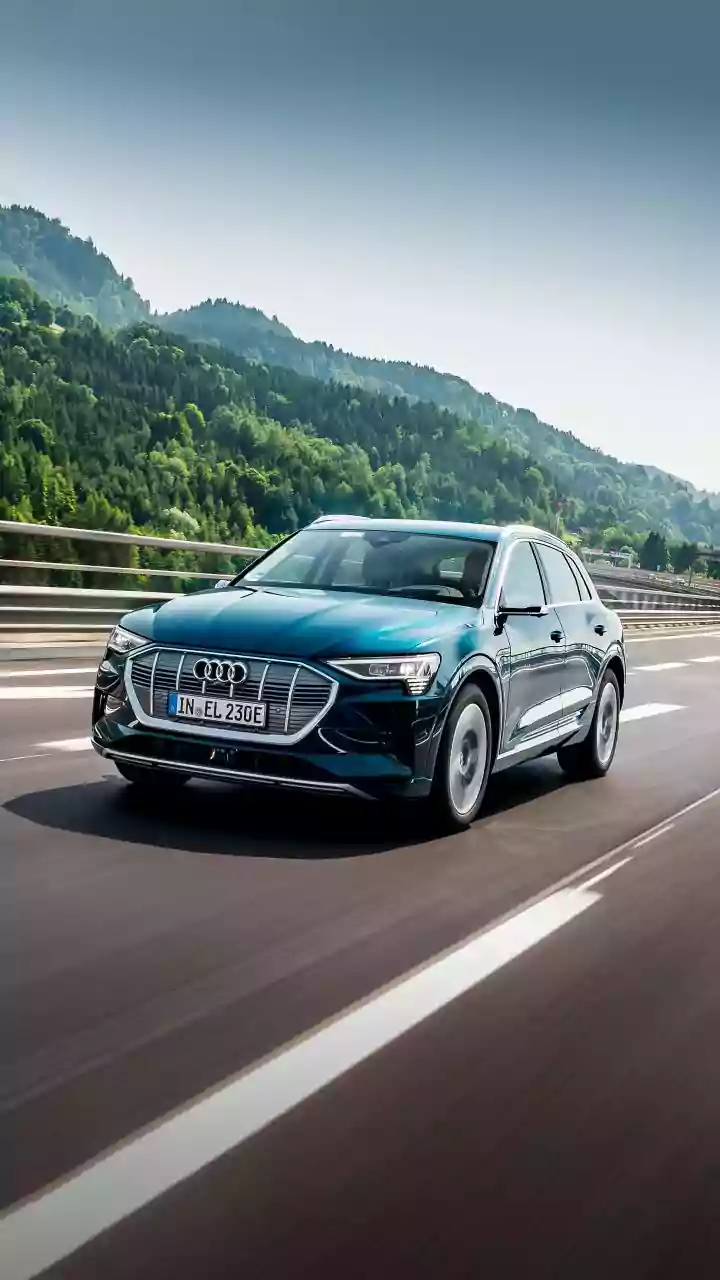
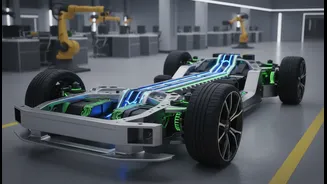
Recent sightings of a lightly disguised prototype confirm that Audi is bringing back the A2, this time as an all-electric A2 e-tron. Set for an official debut in autumn 2026, the new model is a compact electric hatchback built on the Volkswagen Group's
MEB platform, sharing its underpinnings with the VW ID.3. Spy shots reveal a car that is strikingly similar in shape to its ancestor, with a high, rounded roofline and a tapered rear end designed for aerodynamic efficiency. The reference is intentional, with Audi confirming the name is a “deliberate nod” to its forebear and a continuation of its “mission.” While it won't feature the original's revolutionary all-aluminum body, the design cues are unmistakable, from the overall profile to specific details like a rear spoiler that splits the back window.
A Cult Classic Ahead of its Time
To understand the new car, you must first understand the original. Launched in late 1999, the first-generation Audi A2 was an engineering marvel and a commercial failure. It was Audi's attempt to build a small, premium car without making a cheap one. The mission was to create a supermini that was lightweight, spacious, and astonishingly efficient. Its crowning achievement was the Audi Space Frame (ASF), an all-aluminum body that weighed about 40% less than a comparable steel structure. This made the car incredibly light, tipping the scales at just 895 kg in some versions. The result, especially in the 1.2 TDI diesel model, was the world's first four-door car to achieve fuel consumption of just 3 liters per 100 kilometers.
Why the Original A2 Flopped
Despite its technical brilliance, the A2 struggled in the showroom. Production ended in 2005 after selling only around 176,000 units. The main culprit was its price. The advanced aluminum construction made it expensive to build, and Audi reportedly lost a significant amount of money on every unit sold. That high cost was passed on to consumers, who were not prepared to pay a premium for a small car, regardless of its innovative engineering. Buyers could get larger, more conventional cars for similar money, and the A2's quirky, tall-and-narrow styling was polarizing. It was a car celebrated by engineers and critics but overlooked by the general public—the right idea at the wrong time.
A Perfect Philosophy for the Electric Era
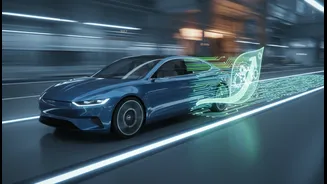
Two decades later, the A2's core principles—lightweight construction, aerodynamic efficiency, and maximizing interior space on a small footprint—are precisely what define a successful modern electric vehicle. In the EV world, weight is the enemy of range, and aerodynamics are critical to squeezing every last kilometer from the battery. The original A2's obsessive focus on these areas makes its philosophy more relevant today than ever. By reviving the A2 name, Audi is signaling that its new entry-level EV will champion these same values. It’s a powerful piece of historical shorthand, connecting the brand’s past innovations with its future ambitions for sustainable mobility.
What to Expect from the New A2
The new A2 e-tron aims to make Audi's electric lineup more accessible, with a price point expected to sit below the popular Q4 e-tron. Based on its shared platform with the VW ID.3, it will likely offer several battery and motor options, with a potential maximum range of around 630 kilometers (WLTP). While its body will be conventional steel, its shape pays direct homage to the original's aerodynamic teardrop form. By rebooting its most forward-thinking failure as a mainstream EV, Audi is betting that this time, the market is finally ready for the A2's clever vision.