


A Journey Back in Time
Indian Railways is preparing to honour its monumental legacy through a unique initiative called “Station Mahotsav”. This celebration will spotlight 103 heritage stations across the country, turning them into focal points of local history and culture.
The events, scheduled to run between August and November, are designed to showcase the rich, 173-year history of a network that has been the lifeline of the nation. The first passenger train chugged out of Mumbai's Bori Bunder for Thane on April 16, 1853, marking the start of a revolution. From that 34-kilometre journey, the network has grown into the fourth largest in the world, becoming an integral part of India's social, economic, and cultural fabric. This new heritage showcase aims to connect today's passengers with the stories embedded in the very foundations of these historic stations.
More Than Just Stations
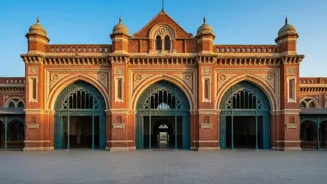
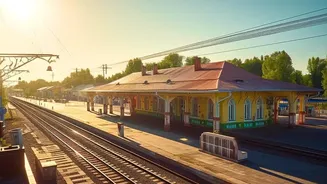
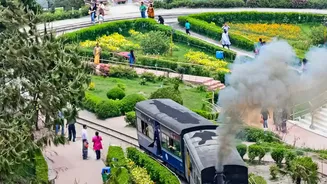
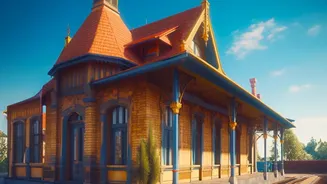
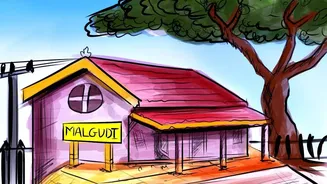
The selected stations are not merely transit points; they are architectural marvels and repositories of history. Of the 103 locations, a remarkable 72 date back to the 19th century. Among the oldest are Kalyan in Maharashtra and Howrah in West Bengal, both established in 1854, just a year after the inaugural run. These stations represent a fusion of architectural styles, from Victorian Gothic and Indo-Saracenic to regional Indian designs. Structures like Mumbai's Chhatrapati Shivaji Maharaj Terminus (CSMT), a UNESCO World Heritage Site, and the Charbagh Railway Station in Lucknow are celebrated for their grandeur. But the plan also includes smaller, yet equally significant, stations on iconic routes like the Kalka-Shimla Railway, which is itself a UNESCO site. The project aims to preserve this architectural diversity, from grand urban terminals to quaint hill-side stops.
Blending Heritage with Modernity
This initiative is part of a broader push by Indian Railways to conserve its heritage while simultaneously modernizing its infrastructure. While plans like the Amrit Bharat Station Scheme focus on upgrading amenities across more than 1,300 stations, this heritage showcase is about targeted preservation. The goal isn't to turn these stations into static museums, but to create vibrant, functional spaces where heritage and modernity coexist. The redevelopment efforts often include restoring the original facade, improving accessibility with lifts and escalators, and creating spaces that promote local art and products under the 'One Station One Product' concept. The designs for redeveloped stations often draw inspiration from local heritage, such as the Modhera Sun Temple for Ahmedabad station, ensuring that each location retains its unique regional identity.
Preserving a National Treasure
Indian Railways is the proud custodian of four UNESCO World Heritage Sites: the Darjeeling Himalayan Railway, Nilgiri Mountain Railway, Kalka-Shimla Railway, and CSMT in Mumbai. Beyond these, it maintains 34 museums and heritage galleries and has preserved hundreds of steam locomotives, vintage coaches, and historic bridges. The preservation policy is robust, with Grade-I heritage structures protected from demolition, allowing only for sensitive reuse. The railways have also embraced technology, collaborating with Google Arts & Culture to create a digital repository of its vast heritage, making it accessible to a global audience. This new “Station Mahotsav” is another step in this ongoing effort, ensuring that the physical markers of India's railway history continue to tell their stories.