





A Tale of Two Ferments
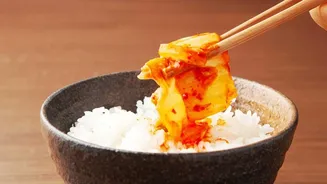
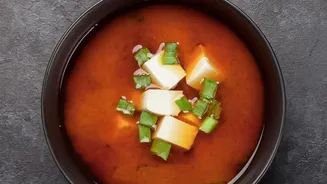
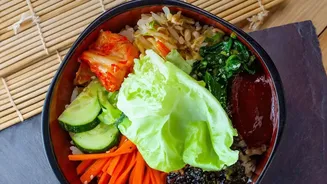
Miso, a fermented soybean paste, is a cornerstone of Japanese cuisine, celebrated for its complex, salty, and umami-rich flavor. Kimchi, its fiery Korean counterpart, is a preparation of fermented vegetables, most commonly cabbage, known for its spicy,
sour, and tangy kick. For centuries, these ingredients were staples in their home countries. Now, they are finding a new home in India, moving from niche restaurant menus to everyday grocery lists, signaling a significant shift in urban Indian food habits.
The Travel Bug and the Taste Bud
One of the biggest drivers of this trend is travel. As more Indians travel internationally, particularly to East and Southeast Asia, they return with more than just souvenirs; they bring back a taste for the local cuisine. A Booking.com study revealed that 88% of Indian travelers say food shapes their choice of destination. This firsthand experience with authentic flavors creates a desire to replicate those meals at home. The curiosity that begins with K-dramas and K-pop often translates into a craving for the foods seen on screen, further fueling demand for ingredients like kimchi and the noodles they are often eaten with.
From Specialty Stores to Supermarket Shelves
What was once a hunt through specialty stores in major metro cities has become a much simpler trip to the local supermarket or a few taps on a grocery app. The initial push for these ingredients came from the need to cater to Japanese and Korean expats working in India's industrial hubs. This created a micro-ecosystem of restaurants and stores which Indian consumers then began to explore. Now, seeing the rising demand, major grocery chains and online platforms are stocking everything from Korean ramyeon to Japanese mayonnaise, making these global flavors more accessible than ever.
The Gut Health Connection
The pantry shift is also deeply connected to a growing wellness trend. Fermented foods have always been a part of Indian diets, from dahi to idli batter. However, there is a newfound, global appreciation for their health benefits, specifically for promoting gut health. Miso and kimchi are rich in probiotics, the beneficial bacteria that support a healthy digestive system. As urban Indians become more health-conscious and look for food-based solutions to lifestyle issues, the probiotic power of these traditional ferments makes them an attractive and flavorful addition to their diet.
The New Indian Kitchen
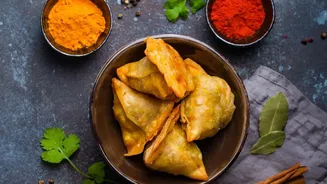
Perhaps the most exciting aspect of this trend is how these ingredients are being adopted and adapted. Indian home cooks and chefs are not just making miso soup and kimchi stew; they are integrating these flavors into local dishes. Creative cooks are adding miso to dal for an extra layer of umami, stirring it into chutneys, or even using it in desserts. Kimchi is finding its way into parathas and being served as a zesty side to traditional meals. This fusion isn't just about borrowing an ingredient; it's about making it a part of the diverse and ever-evolving Indian culinary landscape.