





The Annual Crackdown on Adulteration
Every year, as India gears up for its festive seasons, a parallel, less visible operation swings into high gear. This is the annual push by food safety authorities to ensure that the joy of celebration isn't soured by unsafe food. The period sees a massive
spike in the demand for ingredients like milk, khoya, ghee, edible oils, and spices. This surge creates a lucrative opportunity for unscrupulous traders to cut corners by using cheaper, substandard, or even harmful substances to increase volume and profits. The 5.2 lakh inspections conducted by the Food Safety and Standards Authority of India (FSSAI) and state food departments in the 2025-26 fiscal year underscore a significant, coordinated effort to protect public health when it is most vulnerable. These are not just routine checks; they are targeted surveillance operations at manufacturing units, sweet shops, warehouses, and restaurants to catch adulteration at its source.
What Inspectors Are Looking For
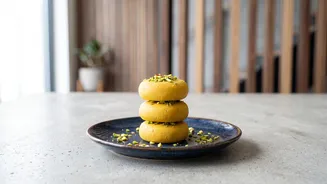
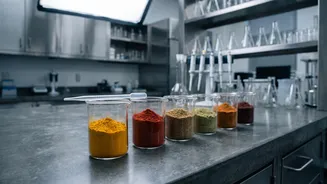
When a Food Safety Officer (FSO) walks into a facility, their checklist is extensive, covering everything from general hygiene to the specific quality of ingredients. During festive seasons, the focus sharpens on common adulterants known to flood the market. For sweets, this includes checking for starch mixed into khoya or paneer, or the use of non-permitted, vibrant chemical colours. Another major concern is the silver foil, or 'vark,' used to decorate sweets; it is often replaced with cheaper aluminium foil, which can be toxic. For milk and milk products, inspectors test for dilution with water, or worse, the presence of urea and detergents used to mimic thickness. In edible oils and ghee, the concern is mixing with cheaper oils, while spices like chilli powder might be bulked up with brick powder. Officers collect samples of these suspicious products, which are then sent to accredited labs for detailed analysis.
A Coordinated Nationwide Effort
Tackling a problem of this magnitude requires a joint effort. The FSSAI acts as the central regulatory body, setting the standards and guidelines for food safety across the country. However, the on-the-ground enforcement—the actual inspections, sample collections, and immediate actions—is largely carried out by the food safety departments of each state and union territory. This federal structure allows for a broad, nationwide strategy guided by FSSAI, while also enabling local authorities to respond to specific challenges in their jurisdictions. Recent crackdowns in states like Maharashtra have shown how effective this can be, with state FDAs seizing tonnes of adulterated products and suspending the licenses of dozens of establishments, from small sweet marts to iconic cafes, based on inspection findings.
Beyond the Numbers: Impact and Penalties
The figure of 5.2 lakh inspections is impressive, but the real impact lies in the consequences for violators. Under the Food Safety and Standards Act, 2006, the penalties for adulteration are severe. They can range from significant financial fines to imprisonment. For selling substandard food, penalties can reach several lakh rupees. If an adulterant is found to be injurious to health, it can lead to imprisonment. In the most extreme cases, where the consumption of adulterated food causes death, the penalty can extend to life imprisonment and hefty fines. Recent enforcement actions have seen FSSAI suspend the licenses of multiple businesses, including major hospitality groups and manufacturers, for violations ranging from poor hygiene and pests to the use of unsafe ingredients. These actions serve not only as punishment but also as a powerful deterrent to others in the food industry.
How to Be a Smart Consumer
While regulatory bodies are scaling up their efforts, the first line of defense is always an alert consumer. There are several simple steps you can take to protect yourself and your family. First, always try to buy from reputable vendors who display their FSSAI license. Be wary of sweets that appear unnaturally bright, as they may contain industrial dyes. You can perform simple tests at home; for instance, real silver foil disintegrates when rubbed, while aluminium foil does not. A drop of iodine solution will turn blue in the presence of starch in milk or khoya. Finally, trust your senses. If a food item looks or smells off, or if the shop appears unhygienic, it is best to avoid it. Your vigilance, combined with robust regulatory oversight, is key to ensuring a safe and happy festive season for everyone.