




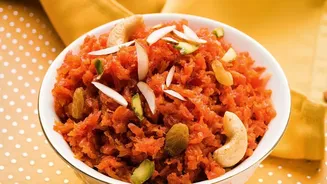

Khichdi: A Symbol of Unity
Often seen as a humble comfort food, khichdi played a significant role during the independence movement. Made from rice and lentils, this simple dish was a staple in communal kitchens where people from all walks of life—regardless of caste, religion,
or economic status—gathered to share a meal and revolutionary ideas. Its basic nature made it accessible to everyone, embodying the principle of unity in diversity. Serving khichdi on August 15 is a way to honour the collective spirit and shared sacrifices of millions, a reminder that the fight for freedom was a truly democratic effort, fueled by simple, nourishing food that brought people together.
Poori Bhaji: Sustenance for the Struggle
The combination of deep-fried bread (poori) and spiced potato curry (bhaji) is a beloved meal across India, but its connection to Independence Day runs deep. During the freedom struggle, this hearty and portable dish was a reliable source of sustenance for activists and freedom fighters. It was often served during the long, strategic meetings of revolutionary groups, providing the energy needed to continue the fight. Easy to prepare and share among large groups, Poori Bhaji became a symbol of resilience and the quiet, persistent resistance that defined the movement. Today, it serves as a nod to those who relied on simple, nourishing meals while planning the nation's future.
Chana Chaat: The Snack of Civil Disobedience
This tangy and spicy chickpea salad, a popular street food, earned its patriotic stripes during one of the most pivotal moments in the freedom struggle: Mahatma Gandhi's Salt March in 1930. As thousands marched in an act of civil disobedience against the British salt tax, street food vendors would serve simple, nutritious snacks like chana chaat to the participants. The dish was easy to distribute, affordable, and provided a quick burst of energy. Over time, it became associated with the spirit of protest and the common person's role in the fight for dignity and rights. Enjoying chana chaat on Independence Day is a tribute to the grassroots power of the movement.
Jalebi: The Sweet Taste of Victory
No celebration in India feels complete without a traditional sweet, and the jalebi holds a special place in Independence Day festivities. While it has been a celebratory sweet for centuries, it became an emblem of joy and victory after India gained freedom in 1947. As the nation celebrated its first Independence Day, jalebis were distributed widely in schools, public spaces, and government offices to mark the momentous occasion. The bright, sweet spirals symbolised the happiness and hope of a newly independent nation. Sharing jalebis continues this tradition, representing the sweet taste of freedom and the joy of a shared national identity.
Tiranga Barfi: A Sweet, Silent Protest
While many dishes became associated with the freedom struggle out of necessity, some were created as a direct, albeit subtle, act of defiance. The tiranga barfi is a prime example. Conceived by sweetmakers in Varanasi to commemorate the hoisting of the Swaraj flag in 1929, this sweet layered the colours of the flag using natural ingredients like pistachio for green, khoya for white, and a saffron-infused mixture for the top layer. In a time when openly displaying nationalist symbols was risky, this edible flag was a clever and delicious form of protest. It allowed people to share a sense of patriotism in a way that flew under the radar of colonial authorities, making it a true taste of rebellion.