





A Market Tilting Towards Luxury
Recent data reveals a dramatic transformation in the NCR's housing market. While the total number of homes sold has seen only modest growth, the value of these transactions tells a different story. In the first half of 2026, homes priced above ₹1 crore
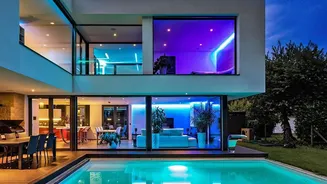
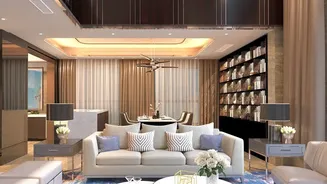
accounted for a staggering 84% of all residential sales in the region. This is a monumental leap from 2018, when the same category represented just 18% of sales. This isn't just about rising prices; it signifies a fundamental change where the market's activity is increasingly concentrated in the premium and luxury segments. Even as new property launches have declined, the share of luxury homes in total sales has consistently grown, reaching 27% in the first half of 2025. This pronounced shift from volume to value indicates that the definition of a typical home purchase in NCR is changing.
The Post-Pandemic Buyer's New Priorities
The COVID-19 pandemic fundamentally altered what people want from their homes. The experience of lockdowns created a deep-seated desire for larger living spaces, better amenities, and a higher quality of life. A home is no longer just a place to sleep; it has become an office, a school, and a recreational space. This has led to a structural shift in buyer preferences, with many willing to stretch their budgets for properties that offer more comfort, privacy, and lifestyle benefits like green spaces and modern facilities. Discerning buyers in the luxury segment are now prioritizing specific amenities over traditional location-centric factors, giving developers the cue to focus on creating experience-enhancing projects. This 'lifestyle upgrade' wave is a major force pushing demand towards the higher end of the market.
Economic Growth and Rising Incomes
A key driver of this trend is the growing financial power of a segment of the population. Rising disposable incomes among the upper-middle class and the wealth generated by a booming startup ecosystem have created a larger pool of affluent buyers. This group includes high-net-worth individuals (HNIs), non-resident Indians (NRIs), and successful entrepreneurs who view premium real estate as a stable asset amid global uncertainty. The influx of these buyers, who are less sensitive to interest rate fluctuations, has kept the luxury market buoyant even when the broader market faces affordability pressures. Developers have taken note, increasingly launching projects tailored for this demographic.
Infrastructure as a Catalyst for Growth
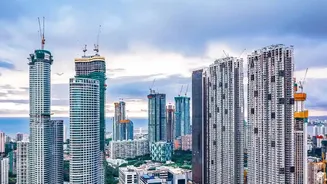
Major infrastructure developments across the NCR are playing a crucial role in shaping these premium corridors. The operational Dwarka Expressway, for instance, has significantly improved connectivity between Delhi and Gurugram, boosting demand for high-end projects in the area. Similarly, the upcoming Noida International Airport is enhancing the appeal of micro-markets in Noida and Greater Noida. These large-scale projects not only improve daily life but also increase the investment potential of surrounding properties, attracting both end-users and investors to newly accessible luxury hubs. Gurugram, in particular, has cemented its position as the epicentre of luxury real estate, accounting for the vast majority of premium sales in the NCR.
The Developer's Focus on Higher Margins
While overall new residential launches in NCR have declined, developers are strategically focusing their efforts on the premium segment. This is a logical business response to market dynamics. High-value projects often yield better profit margins and cater to a more resilient buyer base. With strong demand from affluent buyers, developers are confident in launching large-ticket projects, including branded residences and ultra-luxurious apartments. This shift in supply, combined with sustained demand, has created a self-reinforcing cycle where the market becomes increasingly dominated by high-end offerings, leaving fewer new options in the affordable and mid-range segments.