






The Quiet Revolution at the Pump
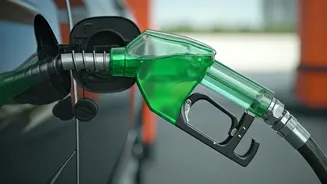
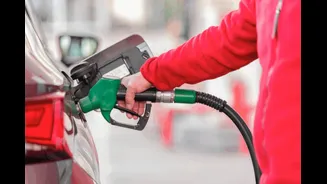
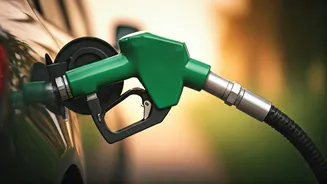
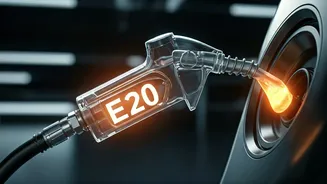
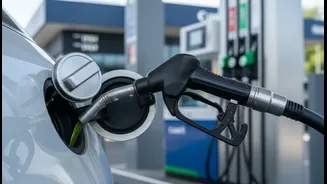
In a significant but quiet transition, India has made E20 petrol the default fuel available at pumps across the nation. This blend, consisting of 20% ethanol and 80% petrol, was rolled out nationwide by April 2025, a full five years ahead of the original
2030 deadline. This achievement marks a major milestone in the country's Ethanol Blended Petrol (EBP) program, which has been steadily gaining momentum. The transition happened so efficiently that many vehicle owners may not have even noticed, but it represents a fundamental shift in India's energy strategy. The program's primary goals are to reduce the country's massive oil import bill, cut down on carbon emissions, and provide a direct economic boost to farmers. With E20 now the standard, the government has already turned its attention to what comes next.
Why India is Betting Big on Ethanol
The push for higher ethanol blending is driven by a powerful set of national priorities. First and foremost is energy security. India imports nearly 88% of its crude oil, making the economy vulnerable to volatile global prices and geopolitical instability. By substituting a portion of imported petrol with domestically produced ethanol, the country saves a significant amount of foreign exchange—an estimated ₹1.90 lakh crore since 2014. Environmentally, ethanol burns cleaner than pure petrol, leading to lower emissions of carbon monoxide and hydrocarbons. This contributes to India’s climate goals, including its Net-Zero target for 2070. Finally, the program provides a major boost to the rural economy. Ethanol in India is primarily produced from sugarcane and other grains, creating a stable, lucrative market for millions of farmers and supporting the sugar industry.
The Challenge of E25 and Beyond
While E20 has been a success, the journey to E25—a 25% ethanol blend—is proving to be more complex. The government is taking a cautious approach, with sources suggesting a potential timeline of 2029 for an E25 rollout, and only after extensive scientific and technical validation. The primary hurdles are twofold: vehicle compatibility and feedstock availability. While most vehicles manufactured since April 2023 are E20 compliant, moving to a higher blend like E25 would require significant re-engineering and re-validation from automakers. This involves testing engines, fuel systems, and material durability to prevent corrosion and ensure performance and safety. Automakers have been vocal about the need for thorough testing before any mandate is introduced.
What Does This Mean For Your Vehicle?
For vehicle owners, the move to higher ethanol blends has raised practical questions. The main concerns are a potential drop in mileage and the long-term health of the engine. Ethanol has a lower energy density than petrol, which means a vehicle may consume slightly more fuel to travel the same distance. Some consumer surveys have highlighted concerns about noticeable mileage drops with E20. While automakers have stated that modern E20-compliant vehicles are designed to handle the fuel without issues, older vehicles not certified for E20 are a point of concern for their owners. Any move to E25 would amplify these issues. Experts suggest that a higher blend would likely require new regulatory approvals and could increase vehicle costs, as manufacturers would need to invest in more robust, corrosion-resistant components for the entire fuel system.
The Road Ahead: A Calibrated Approach
The government appears to be listening to these concerns. Officials have stressed that any future increase in blending percentages will be gradual and backed by science. The Bureau of Indian Standards (BIS) has already notified standards for blends up to E30, creating a technical framework for the future. However, the current thinking leans towards a phased approach, perhaps making higher blends optional at first, similar to the model used in Brazil. This would allow owners of compatible flex-fuel vehicles to use higher blends like E85, while ensuring the continued availability of a standard blend for the majority of vehicles on the road. India's ethanol production capacity has grown nearly fivefold over the last decade and is now considered sufficient to support higher blends, but ensuring a smooth transition for consumers and the auto industry remains the top priority.