







A Deluge in a Matter of Hours
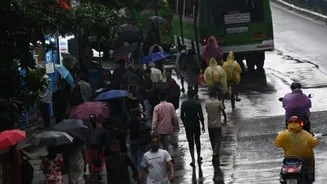
Beginning around August 1, 2026, a spell of intense rain struck central and northern Kerala, catching many by surprise. Unlike the sprawling, persistent showers of a typical monsoon, this was a different beast. Certain areas, particularly in the hilly
districts of Idukki, Pathanamthitta, and Kottayam, were inundated with unprecedented amounts of rain in just a few hours. Some locations recorded staggering figures, such as Vadasserikkara in Pathanamthitta, which received 361 mm of rainfall within a 24-hour period. This sudden onslaught of water overwhelmed the natural drainage systems, causing rivers like the Pampa and Manimala to swell and burst their banks, leading to flash floods that swept through towns and villages.
Why 'Cloudburst-Like'?
The term 'cloudburst' is often used, but it has a specific meteorological definition: 100 mm of rain in one hour over a highly localized area. While the India Meteorological Department (IMD) has not officially classified the recent Kerala event as a cloudburst, the description 'cloudburst-like' has been widely adopted to convey its sheer intensity and rapid, concentrated nature. One disaster management official explicitly referred to the phenomenon as a cloudburst. The effect on the ground was the same: a massive volume of water dumped in a very short time, like a 'rain bomb', leaving no time for escape and triggering immediate, violent landslides on the saturated slopes of the Western Ghats.
The Meteorological Recipe for Disaster
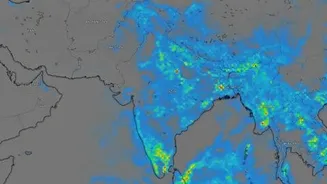
This extreme event was not a random occurrence but the result of a perfect storm of atmospheric conditions. Meteorologists pointed to a combination of factors, including an offshore trough along the coast and localized atmospheric depressions that trapped moisture. Strong westerly winds helped push this moisture-laden air from the Arabian Sea inland. As this air was forced upward by the hilly terrain of the Western Ghats—a process known as orographic lift—it cooled rapidly, causing the moisture to condense and fall as a sudden, torrential downpour. This phenomenon is becoming a recurring concern, turning the region's unique geography into a potential hazard zone during active monsoon spells.
The Human and Environmental Cost
The impact of the deluge was swift and brutal. As of August 5, officials confirmed a death toll of over two dozen people, with several others reported missing. The primary causes of death were landslides and debris flows, where entire hillsides, destabilized by the intense rain, collapsed onto homes. Beyond the tragic loss of life, the destruction was widespread. Thousands of people were evacuated to over 400 relief camps set up across the state as their homes were either destroyed or submerged. Roads were washed away, bridges collapsed, and communication lines were severed, severely hampering rescue operations in the most vulnerable regions. The event is a grim echo of past floods, including the catastrophic 2018 deluge, raising urgent questions about disaster preparedness.
A Sign of a Troubling New Normal
Experts argue that viewing this as just another monsoon tragedy would be a mistake. The event is being seen as a clear symptom of a changing climate colliding with years of unsustainable land-use practices. Unchecked construction, quarrying, and the degradation of natural ecosystems have made the region's fragile slopes more susceptible to landslides. While disaster response has improved since 2018, this event highlights a critical gap in predictive capabilities for such hyper-local, intense weather events. Scientists note that a warmer atmosphere can hold more moisture, making such extreme rainfall events more frequent and intense, not just in Kerala but across the subcontinent. This 'new normal' requires a fundamental shift in development planning and a greater focus on ecological resilience.