




The Heart of the Confusion
The debate stems from the Indian government's major policy shift to open the space sector to private companies. This initiative, formalized through the Indian Space Policy 2023, is designed to attract private capital and innovation. The policy allows
non-governmental entities to build, launch, and operate satellites and rockets, activities once exclusively handled by the Indian Space Research Organisation (ISRO). This has led to speculation and concern, even among ISRO employee associations, that the celebrated agency could be sidelined or privatised. However, officials have been quick to label these reports as "baseless and incorrect."
Participation, Not Privatisation
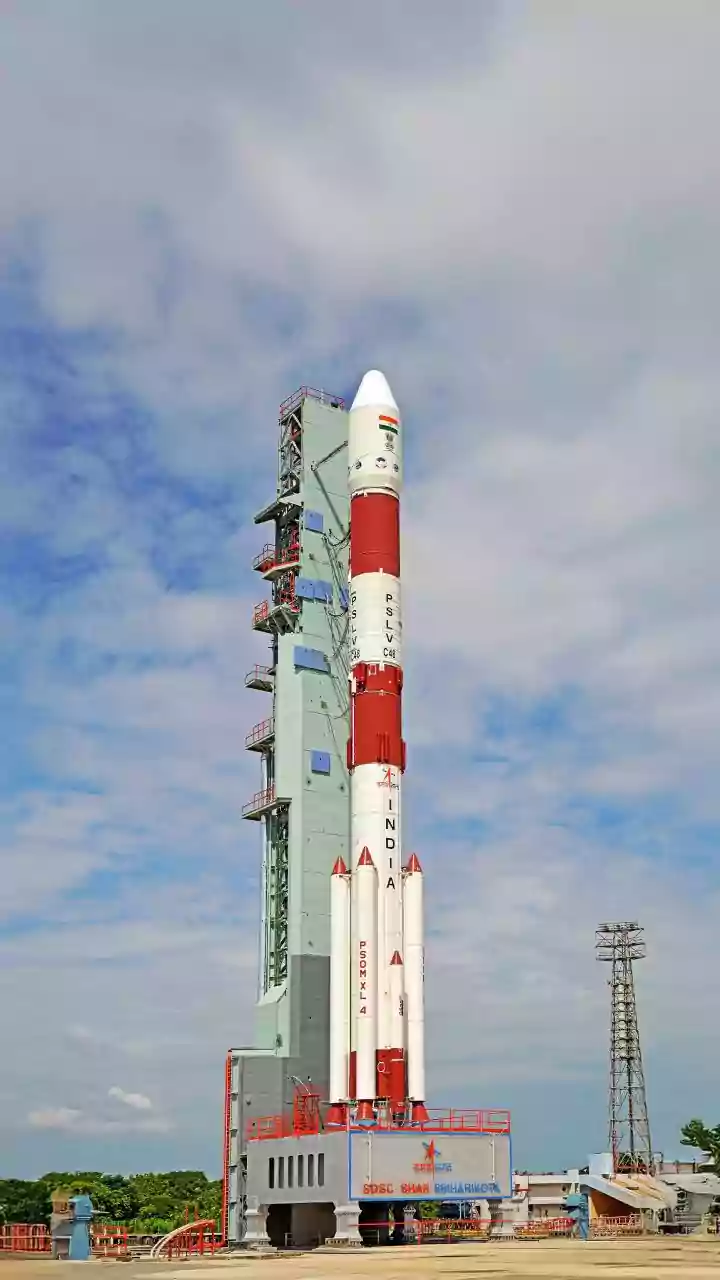
ISRO Chairman V Narayanan and other officials have clarified that the goal is not to privatise ISRO but to expand India's entire space ecosystem. The space agency has categorically stated it will neither be privatised nor will its importance be diminished. The strategy is to create an "ISRO-led national space ecosystem" where private firms take over routine, mature operations. This includes manufacturing workhorse rockets like the PSLV and building operational satellites. This model is not new; ISRO has long collaborated with industry, with nearly 80% of its launch vehicle budget already invested in around 450 private companies.
Meet the New Players: IN-SPACe and NSIL
To manage this new landscape, two key bodies were created. The Indian National Space Promotion and Authorisation Centre (IN-SPACe) acts as a single-window agency to promote, authorise, and supervise all space activities by private entities. Think of it as the traffic controller and facilitator for the private space sector. NewSpace India Limited (NSIL), on the other hand, is the commercial arm of ISRO. Its job is to commercialise ISRO's existing technologies and services, enabling Indian industries to take up high-tech space activities and build a market for them. Together, they form the institutional framework for this new public-private synergy.
ISRO's Evolving Mission: From Do-It-All to Pioneer
Freed from routine manufacturing and operational tasks, ISRO's role is set to become even more critical. The agency will now concentrate its formidable scientific and technical expertise on frontier research and development. Its new focus will be on pioneering advanced technologies, deep-space exploration, and complex national missions. This includes ambitious projects like the Gaganyaan human spaceflight mission, establishing the Bharatiya Antariksh Station by 2035, a crewed mission to the Moon by 2040, and developing next-generation launch systems. In essence, ISRO is shifting from being the sole operator to becoming the nation's primary engine for space science and exploration.
The Goal: A Bigger Slice of the Global Pie
The strategic objective behind this reform is clear: to significantly grow India's share of the global space economy. With the global market valued in the hundreds of billions of dollars, the government believes that ISRO's resources alone are insufficient to capture a larger portion. India aims to increase its share to $44 billion by 2033. Achieving this requires a massive scaling of launch capacity, with a target of 50 launches per year. By bringing in private capital, industrial capacity, and entrepreneurship, the policy aims to create a more competitive and robust domestic space industry that can augment ISRO's capabilities and drive economic growth.