





The Power of a Producer Credit
While many top actors command impressive salaries, Cruise’s real financial genius lies in his role as a producer. In 1993, he co-founded Cruise/Wagner Productions, a move that fundamentally changed his earning potential. By producing his own films, particularly
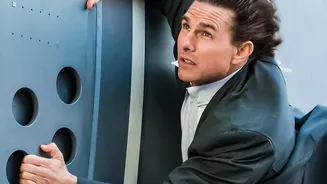
the Mission: Impossible franchise, he wasn't just an employee; he was the boss. This allowed him to negotiate some of the most lucrative deals in Hollywood history. For the first Mission: Impossible in 1996, his combined role as star and producer netted him a reported $70 million. He repeated this success with later installments, earning an estimated $75 million for Mission: Impossible III and another $70 million for Fallout.
Mastering the 'First-Dollar Gross' Deal
Cruise is one of the very few stars who can command a “first-dollar gross” deal. In simple terms, this means he gets a percentage of a film's box office revenue from the very first ticket sold, before the studio even recovers its production and marketing costs. It's an arrangement studios rarely offer because it's so favorable to the talent. This strategy has resulted in staggering paydays. For Mission: Impossible II and War of the Worlds, he reportedly earned $100 million for each film by leveraging this type of deal instead of a standard salary. This demonstrates a profound bet on himself and the global appeal of his films—a bet that has consistently paid off.
The Maverick Payday
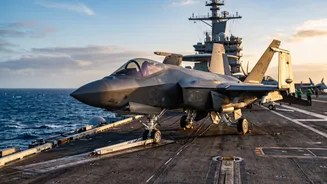
Top Gun: Maverick serves as the ultimate case study in Cruise's financial strategy. He took a relatively modest upfront salary of about $13 million. The real prize was his backend deal, which entitled him to at least 10% of the film's first-dollar gross. After the movie soared past $1.5 billion at the global box office, his total earnings from the film were estimated to be well over $100 million. This single payday, from one movie, highlights how his dual role as producer and star, combined with his unique deal-making power, generates wealth far beyond what even the highest acting salaries can offer.
A Savvy Real Estate Investor
Beyond the film industry, Cruise has also demonstrated a keen eye for real estate. Over the years, he has bought and sold numerous high-value properties, often for a significant profit. In 2016, he sold a Beverly Hills mansion for $38 million, which he had purchased in 2007 for $30.5 million. He also sold a sprawling 320-acre ranch in Telluride, Colorado, for $39.5 million in 2021. Cruise spent years acquiring the land and built the custom home in 1994. These sales are not just about changing homes; they represent smart investments that have added millions to his already substantial fortune, proving his business instincts extend to tangible assets as well.