







A Modern Solution for an Ancient City
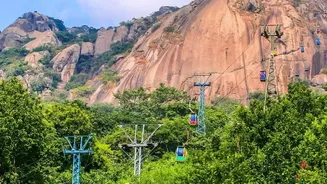
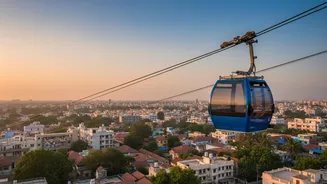
Varanasi is on the cusp of a transportation revolution. The Kashi Ropeway, now nearing completion, is not a tourist gimmick but a core component of the city's public transport network. Stretching approximately 3.8 kilometres, the system will connect the busy
Varanasi Cantonment railway station to Godowlia Chowk, a major hub near the sacred Kashi Vishwanath Temple. With 148 to 153 air-conditioned cabins, each holding 10 passengers, the ropeway is designed to ferry up to 96,000 people per day, operating 16 hours daily. This aerial route will slash a journey that currently takes up to an hour in peak traffic to just 16-17 minutes. Developed by National Highways Logistics Management Limited (NHLML) with technology from Swiss and Austrian experts, this project aims to offer a sustainable, eco-friendly alternative to the city's congested streets.
The Unrelenting Pulse of Varanasi
Implementing any new infrastructure in Varanasi is a monumental task, primarily due to the sheer volume of people. The city is a spiritual magnet, drawing millions of pilgrims and tourists. In 2025 alone, Varanasi recorded over 72 million visitors. During festivals like Sravan, the city can see 10 million pilgrims in a single month, with daily numbers swelling to between 600,000 and 700,000 on auspicious days. On one day in February 2025, the Kashi Vishwanath Temple itself recorded a footfall of over 800,000 people. This flow of humanity is not confined to festival seasons; it's a year-round phenomenon. The city's ancient, narrow lanes, which are part of its historic charm, become impassable choke points, making crowd management a critical daily challenge, not just a special-occasion concern.
Designing for the Deluge
The success of the ropeway hinges on how well it manages entry and exit points. The system cannot simply move people; it must absorb and disperse them without creating dangerous bottlenecks at its stations. Planners have designed the five stations with spacious waiting and holding areas to regulate the flow of passengers. However, the real challenge lies in integration. The ropeway terminals at Cantt station and Godowlia must seamlessly connect with railways, buses, auto-rickshaws, and pedestrian traffic. The final stop, Godowlia Chowk, is particularly sensitive as it is the main gateway to the temple zone, an area already prone to extreme crowding. The ropeway will deposit thousands of people per hour into this delicate ecosystem, demanding a level of coordination between transport systems and civic authorities that is unprecedented.
A High-Tech Approach to Crowd Control
Varanasi is not leaving crowd management to chance. In parallel with the ropeway's construction, the city is deploying advanced, AI-powered solutions to monitor and manage pedestrian flow. A new initiative, born from the Sustainable Cities Challenge, involves installing AI sensors and cameras across the historic Kashi precinct. These systems will provide real-time data on crowd density to a central command centre, allowing authorities to predict congestion up to four hours in advance and proactively divert people. Solutions like 'CityFlow' and 'Janjatra' will use this data to power dynamic digital signboards, recommending alternative routes and using colour-coded street markings to guide visitors, making navigation through the maze-like lanes safer and more intuitive. This digital overhaul is designed to work in tandem with physical infrastructure like the ropeway to create a smarter, more responsive urban environment.
A Blueprint for Urban India?
As only the third city in the world to integrate a ropeway into its urban transit fabric, after La Paz in Bolivia and a location in Mexico, Varanasi is a global pioneer. Its experience will be closely watched by other Indian cities grappling with similar issues of congestion in dense, historic cores where traditional solutions like metro lines or road widening are impossible without causing irreparable damage. The project is being implemented under the Parvatmala Pariyojana, a national program to develop ropeways in hilly and challenging urban areas. The success of the Varanasi model—combining high-capacity aerial transit with AI-driven crowd analytics—could provide a replicable template for cities from Haridwar to Madurai, transforming how India approaches mobility in its most cherished and crowded spaces.