







A Blueprint for Economic Pilgrimage
Gujarat is home to some of India's most revered spiritual destinations, including the coastal temples of Somnath and Dwarka, and the hilltop shrines of Ambaji and Pavagadh. For years, these sites have drawn millions of devotees. Now, a concerted effort
by the state government is transforming this traditional pilgrimage footfall into a structured, high-growth economic sector. The strategy is simple yet effective: systematically upgrade the infrastructure connecting these holy sites to make them more accessible, comfortable, and accommodating for a growing number of visitors. By investing billions in what can be called 'pilgrimage infrastructure,' the state is laying the groundwork for a sustainable tourism model that respects tradition while embracing commerce. This involves not just building roads but creating entire tourism circuits that encourage longer stays and higher spending.
The Paved Path to Prosperity
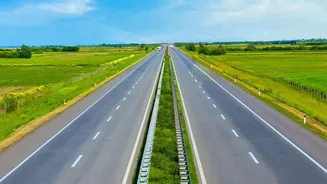
The most visible change is on the ground. A web of new and widened highways is drastically cutting travel time between major cities and spiritual towns. For instance, enhanced road networks to destinations like Palitana, a key Jain pilgrimage site, and Pavagadh, a UNESCO World Heritage Site, have made journeys smoother and safer. These projects do more than just ease traffic; they create an economic ripple effect. Easier access encourages more families, elderly pilgrims, and even casual tourists to make the trip. This surge in visitors directly fuels local economies, supporting everything from small guesthouses and restaurants to handicraft sellers and transport providers. The government has sanctioned significant funds specifically for improving approach roads, constructing bridges to ease congestion, and ensuring last-mile connectivity to these once-remote shrines.
From Tracks and Tarmacs to Temples
Beyond roads, Gujarat is bolstering its rail and air connectivity to cater to pilgrims from across the country. Upgraded railway stations near spiritual hubs and improved air links under regional connectivity schemes are making these destinations accessible to a wider demographic. For example, the development of airports closer to the Saurashtra coast benefits visitors heading to Somnath and Dwarka. This multi-modal approach ensures that the journey itself becomes less of an ordeal and more a part of the pilgrimage experience. The government is also focusing on creating 'green and power-safe zones' at major pilgrimage centers, investing in modern facilities like underground cabling and solar power to ensure uninterrupted services and enhance visitor safety.
The Tangible Economic Returns
The numbers speak for themselves. Gujarat has witnessed a significant surge in domestic tourist arrivals, with pilgrimage sites accounting for a massive share of the footfall. In the 2023-24 period, temple towns reportedly accounted for 72% of visitors to the state's top destinations. The redeveloped Mahakali Temple at Pavagadh, for example, saw over 3.84 crore devotees visit in the four years following its upgrade. This massive influx translates directly into revenue. New hotels, resorts, and ancillary businesses are mushrooming around these temple towns, creating thousands of jobs and giving a boost to the local construction and service industries. The government's investment in infrastructure is paying clear dividends, turning spiritual devotion into a key contributor to the state's GDP.
More Than Just a Balance Sheet
The impact of this transformation extends beyond mere economics. Improved infrastructure leads to better sanitation, organised public spaces, and enhanced safety and security for pilgrims and residents alike. The redevelopment of temple complexes, like the expansion of the Mahakali Temple premises, allows for better crowd management and a more serene spiritual experience. Furthermore, the economic benefits provide a strong incentive for the preservation of these heritage sites. The revenue generated helps fund the upkeep and conservation of the temples, ensuring that this cultural legacy is protected for future generations. By integrating cultural heritage with modern development, Gujarat is creating a model where economic progress and spiritual preservation go hand in hand, benefiting everyone from the humble pilgrim to the local entrepreneur.