


An Iron-Clad Resurgence
The return to cast iron is driven by a growing awareness of health and sustainability. Many modern cooks are becoming wary of synthetic non-stick coatings that can degrade and flake off over time, especially with high-heat Indian cooking methods like
making tadka or bhuna masalas. Cast iron offers a chemical-free alternative. It's also incredibly durable, often lasting for generations, which appeals to a desire for long-lasting, eco-friendly products. Furthermore, cooking in cast iron can leach small, safe amounts of dietary iron into food, a potential benefit in a country where iron deficiency is a concern. This combination of health benefits, longevity, and a move away from 'disposable' cookware is placing these traditional pans back at the centre of the Indian kitchen.
The Taste of Tradition
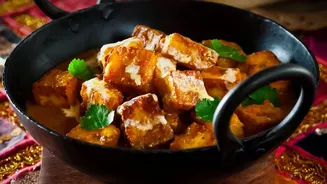
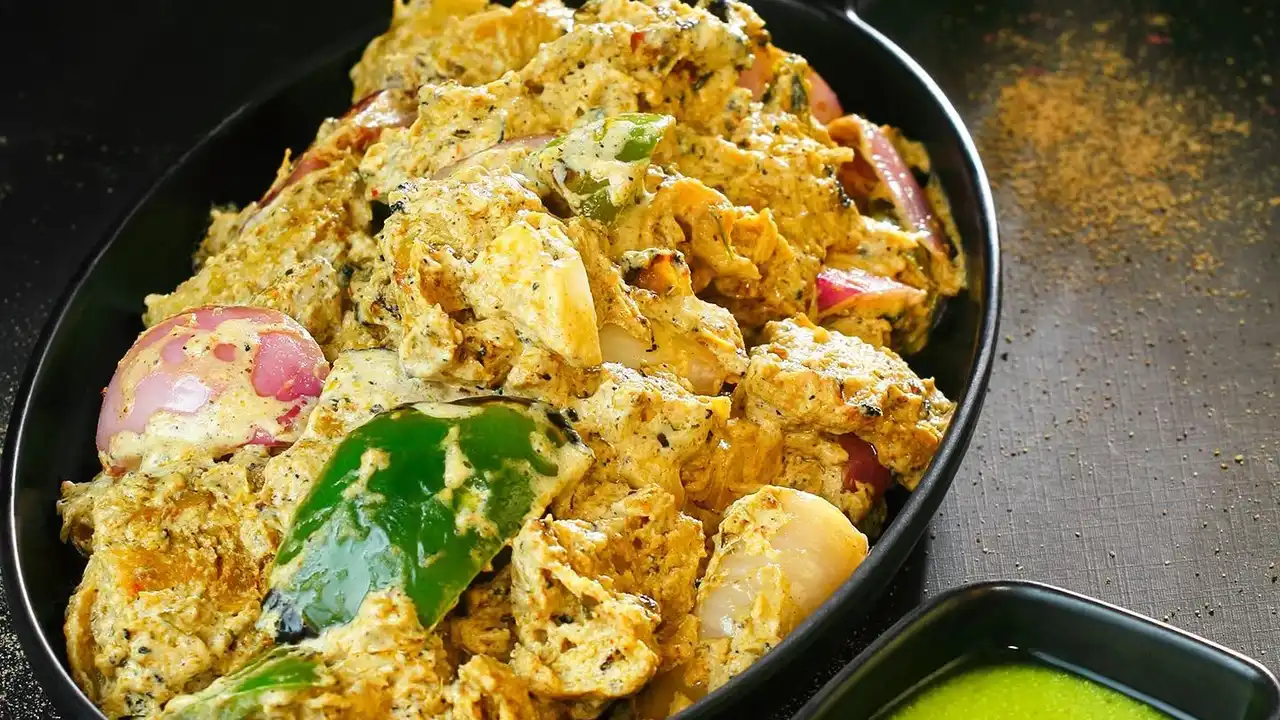
Beyond health, the primary driver for many is flavour. Cast iron's ability to get incredibly hot and retain that heat is unmatched by most modern materials. This superior heat retention is perfect for many staples of Indian cuisine. It creates the crispy, golden-brown crust on a dosa, gives paneer and chicken a perfect sear, and ensures vegetables are evenly cooked. The even heat distribution is ideal for slow-simmering rich dals and curries, allowing flavours to develop deeply. Many chefs and home cooks agree that food simply tastes better when cooked in a well-used cast iron kadai or tawa, which develops a unique character over time.
The First Caveat: Mastering the Seasoning
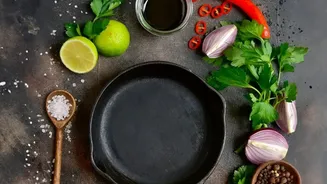
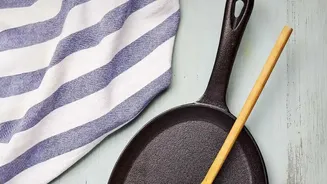
Herein lies the first practical challenge: seasoning. A raw cast iron pan needs to be seasoned to create a natural, non-stick surface. Seasoning is the process of baking thin layers of oil onto the metal, which polymerizes and creates a protective coating. While many modern pans come pre-seasoned, this layer improves with every use. The process isn't difficult but requires diligence. After cooking, the pan should be cleaned gently, often without harsh soap, dried immediately and completely to prevent rust, and then wiped with a thin layer of oil before storing. Forgetting to dry it properly is a common mistake that leads to rust, a fixable but frustrating issue.
The Acid Test and Other Hurdles
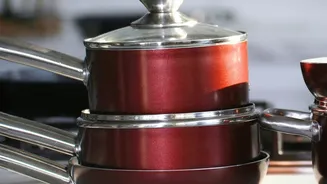
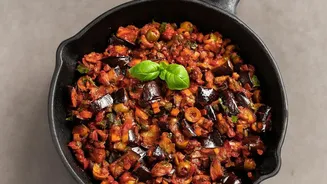
The second major caveat involves what you cook. Cast iron is reactive, and highly acidic ingredients—like tomatoes, tamarind, or vinegar common in Indian curries—can strip the pan's seasoning and sometimes impart a metallic taste, especially if simmered for a long time. The general rule is to avoid slow-cooking acidic dishes for more than 30-45 minutes. A well-seasoned pan can handle a quick tomato-based sauce, but it's wise not to store acidic leftovers in it. Another practical consideration is the weight; these pans are heavy, which can be a challenge for some. Enamel-coated cast iron is an alternative that solves the acidity and rust issues but comes at a higher price and doesn't build up the same unique seasoning as its raw counterpart.
Embracing the Process
Successfully using cast iron is about adopting a new routine. Think of it as a relationship with your cookware. Always preheat the pan before adding food. After cooking, let it cool before washing it with warm water and a soft brush. For stuck-on food, simmering a little water or scrubbing with coarse salt works wonders. The most critical step is to dry it on the stove over low heat for a minute or two before wiping a drop of oil on the surface. This small ritual, which takes only a couple of minutes, is the secret to maintaining a rust-free, naturally non-stick pan that will serve your kitchen for decades.