



The Golden Rules of Vrat Cooking
Hindu fasting, or Vrat, involves a diet designed to be light and pure (sattvic), giving the digestive system a rest. While traditions vary from one family to another, the core principles generally remain the same. Regular grains like wheat and rice, lentils,
and legumes are avoided. Onions, garlic, and common table salt are also excluded. Instead, the fasting pantry relies on specific ingredients. Rock salt, or sendha namak, is the seasoning of choice. Flours like buckwheat (kuttu ka atta), water chestnut (singhare ka atta), and amaranth (rajgira) are used to make puris, pakoras, and flatbreads. Vegetables such as potatoes, sweet potatoes, taro root (arbi), and pumpkin form the base of many dishes, while fruits, nuts, and dairy products like paneer and yogurt provide energy.
Your Air Fryer’s Fasting Power
Traditionally, many beloved Vrat snacks are deep-fried, which can feel heavy. This is where the air fryer shines. By circulating hot air, it achieves a delightfully crispy texture with a fraction of the oil, making snacks lighter and more aligned with the spirit of fasting. You get the satisfying crunch of a classic pakora or vada without the mess and excess fat of deep-frying. This modern appliance helps bridge the gap between tradition and a health-conscious lifestyle, allowing you to enjoy festive foods without compromise. The cleanup is simpler, and cooking is often quicker, freeing up more time for festive preparations and prayers.
Classic Sabudana Vada, Reimagined
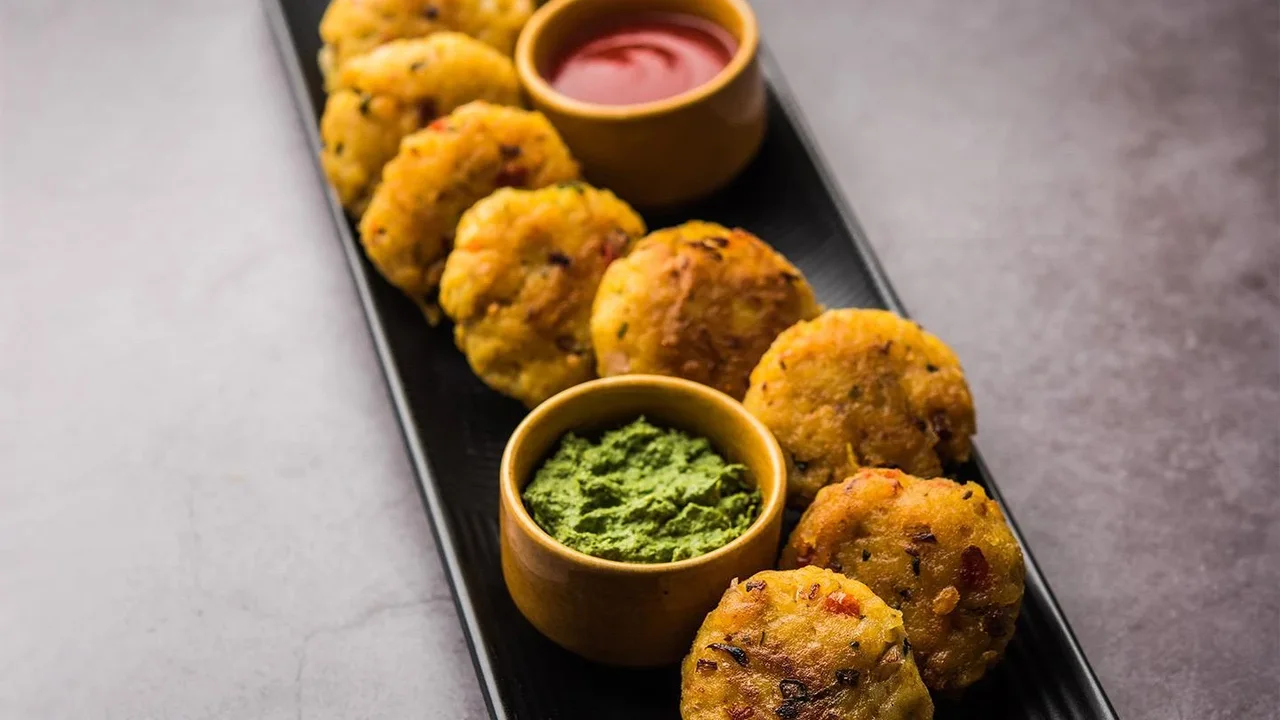
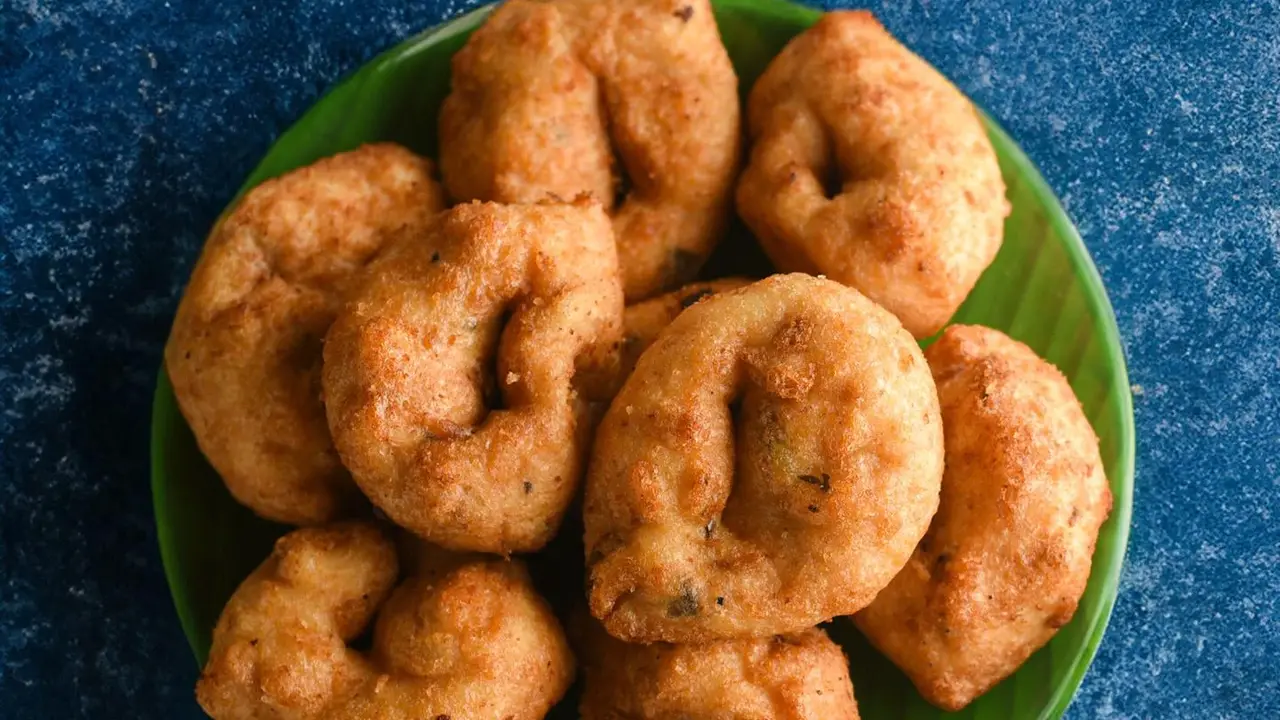
Sabudana vada is a quintessential fasting snack, loved for its crispy exterior and soft, chewy interior. To adapt it for the air fryer, mix soaked sabudana (tapioca pearls) with boiled mashed potatoes, coarsely crushed roasted peanuts, green chillies, and sendha namak. The key to a non-sticky vada that holds its shape is to ensure the sabudana is well-drained. Shape the mixture into flattened patties. For best results, refrigerate or freeze the patties for about 30 minutes to help them firm up. Preheat your air fryer to 180°C, brush each vada lightly with ghee or oil, and cook for 15-20 minutes, flipping halfway through, until they are golden brown and crisp.
Crunchy Buckwheat Fritters (Kuttu Pakore)
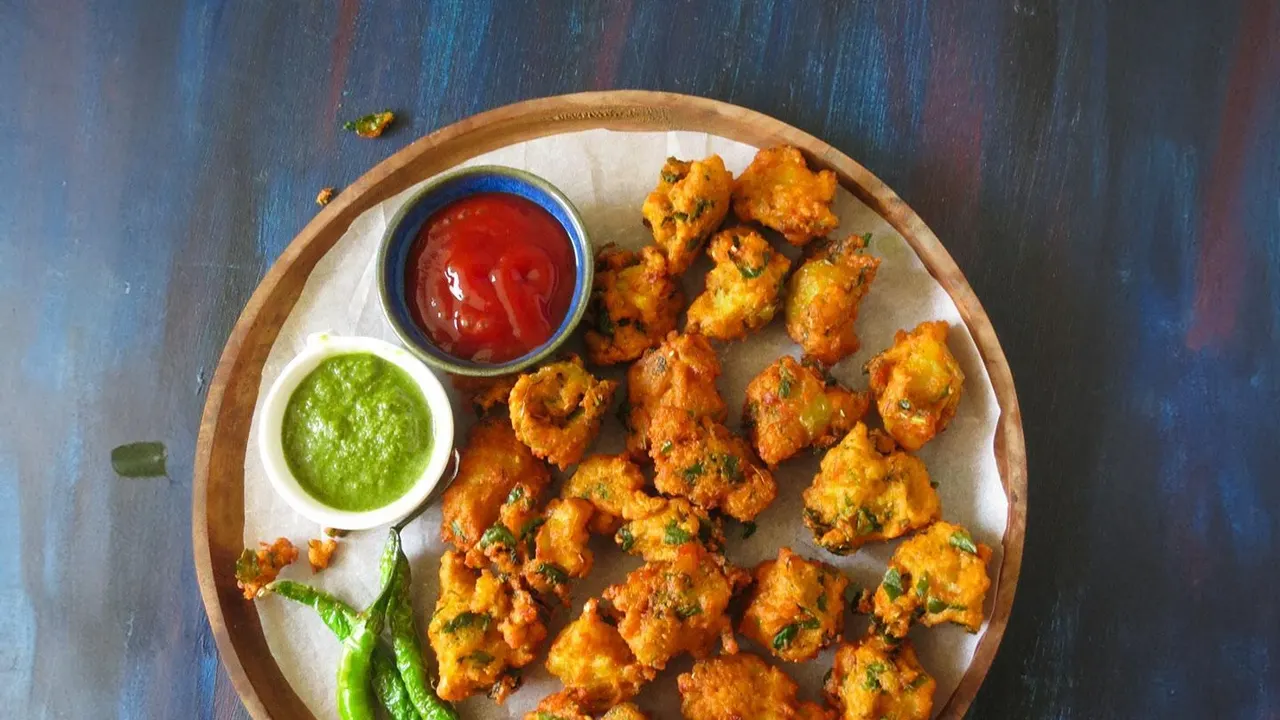
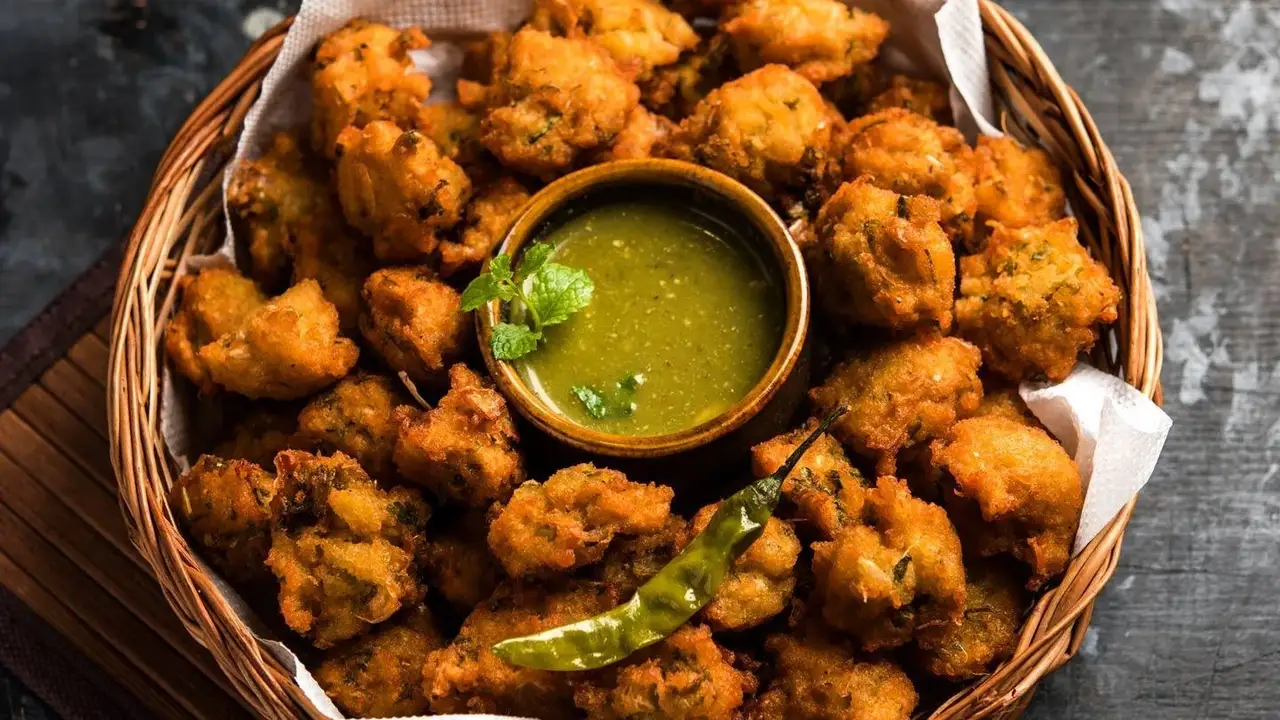
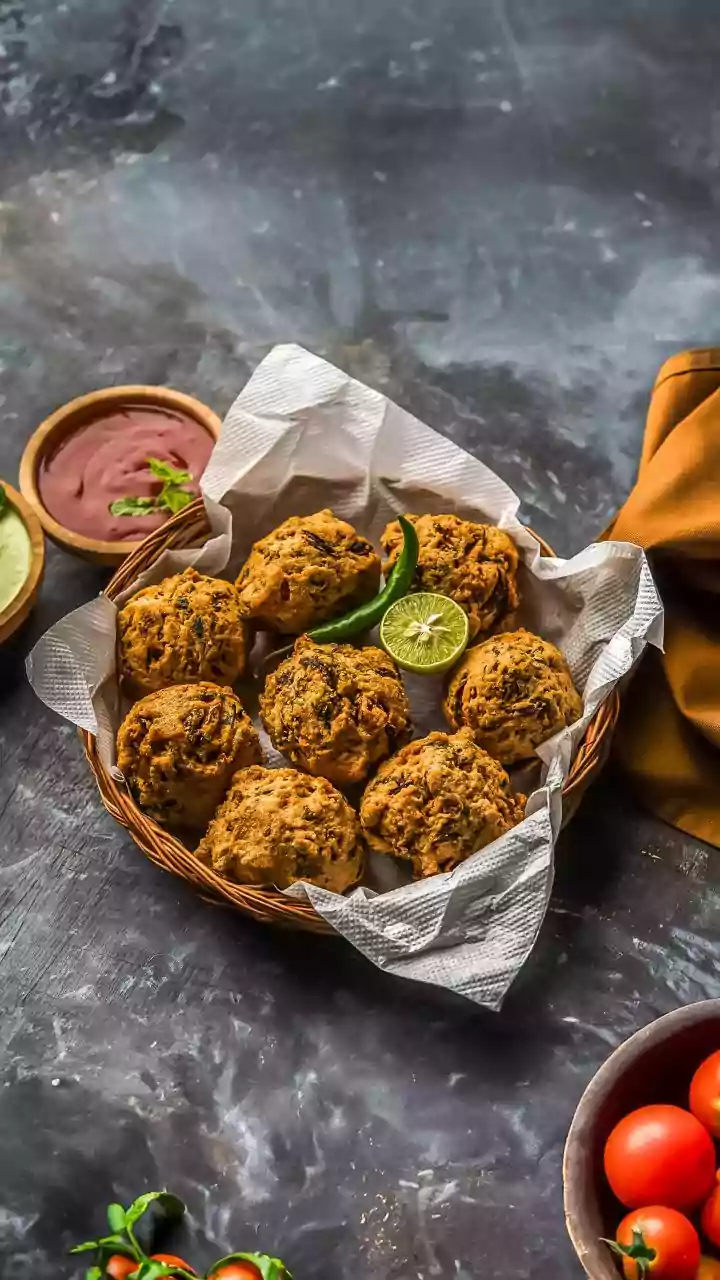
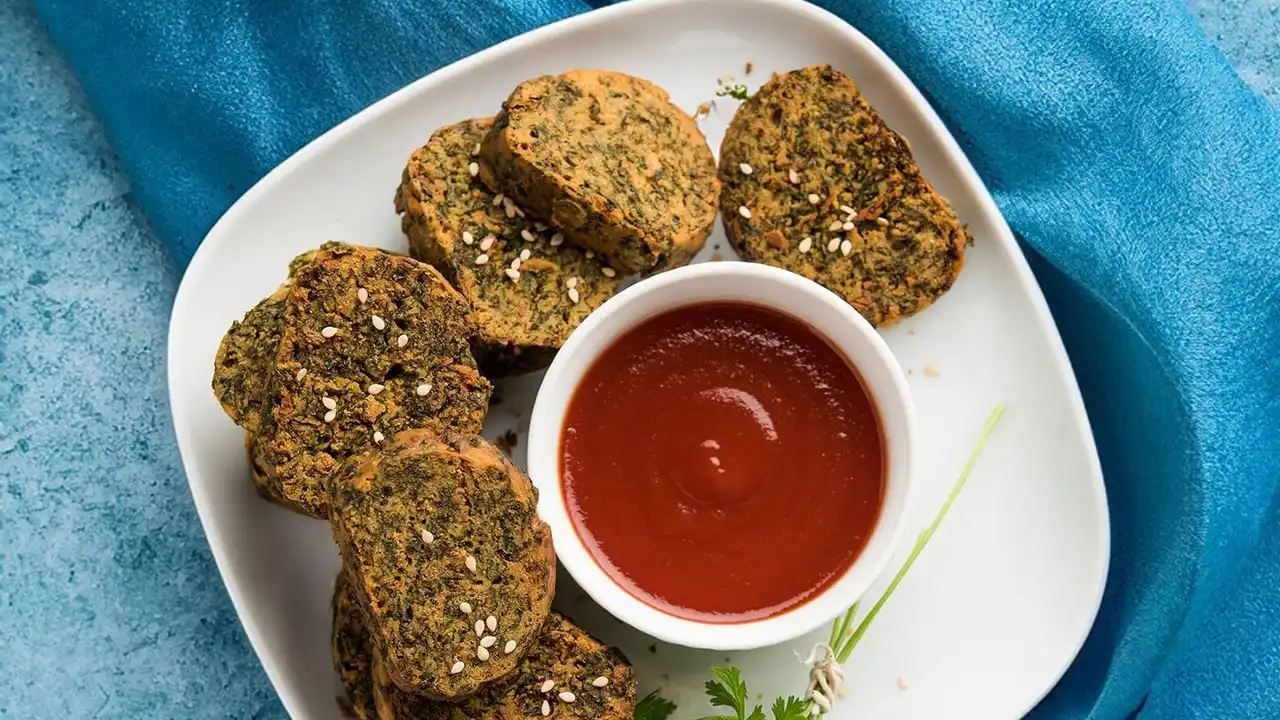
Kuttu ke pakore are another Vrat favourite, known for their nutty flavour and crisp bite. To make them, create a thick batter using buckwheat flour, sendha namak, and water. You can enrich the batter by adding mashed boiled potatoes, turning it into a dough-like consistency. Some households also add spices like cumin or black pepper. Drop spoonfuls of the batter or small balls of the dough into a preheated air fryer basket (around 180-190°C), which you can lightly grease. Brush the tops with a little ghee and air fry for 12-15 minutes, flipping them once during cooking to ensure they are evenly browned and crispy on all sides.
Stuffed Potato Patties (Farali Pattice)
Farali Pattice is a delightful Gujarati snack where potato patties are stuffed with a sweet and savoury filling. The outer layer is made from boiled, mashed potatoes bound with a Vrat-friendly flour like amaranth or water chestnut flour. The traditional filling includes fresh grated coconut, chopped nuts like cashews, raisins, green chillies, and a hint of sugar and lemon juice. To make these in an air fryer, shape the stuffed patties and lightly brush them with oil. Air fry at around 180°C for 15-20 minutes, turning them over midway through the cooking time until the outside is firm and golden.
Spiced Taro Root Fries (Arbi Fries)
For a simple yet satisfying snack, arbi or taro root fries are an excellent choice. Arbi has an earthy flavour that becomes wonderfully creamy when cooked. Start by parboiling the taro root until it is just tender, then peel and cut it into wedges or thick fries. Toss the pieces in a bit of ghee or oil and season with sendha namak and other permitted spices like cumin powder or black pepper. Arrange them in a single layer in the air fryer basket and cook at 180°C for about 15 minutes, shaking the basket occasionally, until they are golden and slightly charred at the edges. A final squeeze of lemon juice adds a fresh lift.
Making It Your Own
The most important rule of Vrat cooking is to follow your family's traditions. The headline is a reminder that ingredient choices vary significantly. Some communities use tomatoes, ginger, and fresh coriander, while others avoid them. Certain spices like black pepper and cumin are common, but not universal. Use these recipes as a template and feel free to adjust them. If your family avoids peanuts, you can skip them in the sabudana vada. If certain vegetables like bottle gourd are allowed, you can grate them into your kuttu batter. The goal is to create food that is not only permissible but also brings comfort and joy during the fasting period.