

Why Soil Is More Than Just Dirt
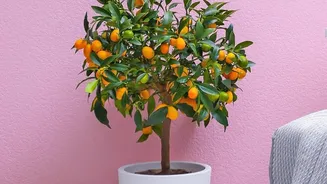
For a lemon tree, especially one in a pot, soil is its entire world. It provides structural support, but more importantly, it is the delivery system for water, oxygen, and all the nutrients the tree needs to grow, flower, and produce fruit. Using standard
garden soil is often a mistake; it's typically too dense, compacts easily, and can suffocate the delicate roots. The ideal soil for a lemon tree is a carefully balanced mix that caters to its specific needs, creating an environment where roots can breathe and thrive rather than struggle.
The Critical Need for Drainage
Lemon trees despise having 'wet feet'. This means their roots cannot tolerate sitting in waterlogged soil. Poor drainage is one of the fastest ways to kill a lemon tree, as it leads to root rot, a condition where roots decay due to a lack of oxygen. To prevent this, your soil mix must be porous. Ingredients like perlite, coarse sand, or pine bark fines create air pockets, allowing excess water to drain away freely while retaining just enough moisture for the tree to drink. When choosing a pot, ensure it has multiple drainage holes. Contrary to old gardening wisdom, adding a layer of gravel at the bottom actually hinders drainage and should be avoided.
Getting the Acidity Right: The pH Factor
Lemon trees are acid-loving plants. They perform best in soil with a pH level between 5.5 and 6.5. When the soil is too alkaline (a pH above 7.0), essential nutrients like iron become chemically locked and unavailable to the tree, even if they are present in the soil. This leads to a common problem called iron chlorosis, where new leaves turn yellow between the green veins. You can test your soil's pH with a simple kit. If it's too alkaline, you can lower it by adding soil sulfur or using acidic organic matter like peat moss or pine bark.
Crafting the Perfect Potting Mix
You can buy pre-made citrus potting mix, but creating your own is simple and effective. A popular and reliable recipe involves blending one-third moisture-retentive material like peat moss or coco coir, one-third drainage-promoting material like perlite or coarse sand, and one-third organic matter like compost or sterile potting mix. This combination ensures a balance of moisture retention, aeration, and nutrient supply. Avoid heavy, dense commercial potting soils, which are often too heavy for citrus and can lead to waterlogging.
Nutrients: Feeding Your Lemon Tree
While a good soil mix provides a great start, lemon trees are heavy feeders and will require regular fertilisation to produce abundantly. The key nutrients are nitrogen (N), phosphorus (P), and potassium (K). Nitrogen is crucial for lush, green foliage. Phosphorus supports root development and flowering, while potassium enhances fruit quality and overall plant resilience. Citrus trees also need micronutrients like iron, magnesium, and zinc. A balanced fertiliser formulated specifically for citrus trees, applied during the growing season from spring to autumn, will ensure your tree has everything it needs.