





The Foundation: Understanding Tempering
At the heart of most Indian dishes is a foundational technique called ‘tadka’ or ‘chaunk’, also known as tempering. This is the initial stage where hot oil or ghee is used to bloom whole spices. Think of it as waking up the spices. When whole spices like
cumin seeds, mustard seeds, or cinnamon sticks hit hot fat, their tough outer structures break down, releasing their essential oils and deep, complex flavours into the oil. This flavour-infused oil then becomes the base of your entire dish, carrying that aromatic essence into every ingredient that follows. The most important flavour compounds in spices are fat-soluble, not water-soluble, which is why this step is so crucial; simply adding them to liquid won't extract their full potential.
The Golden Rule: Why Ground Spices Come Later
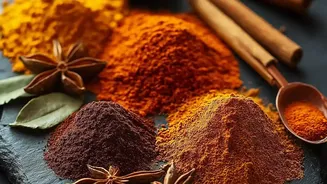
This brings us to the golden rule. While whole spices thrive in the initial high heat of tempering, ground spices do not. Ground spices—like turmeric, red chilli powder, ground coriander, and garam masala—have a massive amount of surface area compared to their whole counterparts. This means they release their flavour almost instantly but also burn incredibly fast. Adding delicate powders to sizzling hot oil at the beginning is a recipe for a bitter, acrid taste that can ruin a dish. Burnt spices cannot be salvaged; the harsh flavour will permeate everything. To avoid this, ground spices must be added after the initial, high-heat tempering stage is complete.
The Perfect Sequence for Layered Flavour
So, how do you put this into practice? The sequence is key to building layers of flavour. First, heat your oil or ghee over a medium flame until it shimmers but isn’t smoking. Add your whole spices, like mustard or cumin seeds. Wait for the crucial sign: mustard seeds will pop and splutter, while cumin seeds will sizzle and turn a shade darker, releasing their nutty aroma. This is your cue to move to the next step. Now, you lower the heat or add your 'wet' aromatics, such as chopped onions, ginger, or garlic. These ingredients immediately drop the temperature of the oil, creating a safer environment for the next layer. Sauté these until they soften. It is at this point—when the heat is lower and there's moisture in the pan—that you add your ground spices. Stir them for just 30 to 60 seconds until they become fragrant before adding your main ingredients like tomatoes, vegetables, or lentils.
Common Mistakes and How to Avoid Them
Mastering tadka is about avoiding a few common pitfalls. The most frequent mistake is getting the oil temperature wrong. If the oil isn't hot enough, the whole spices won't pop; they'll just soak up oil and the flavour will be flat. If the oil is smoking, it’s far too hot and will scorch everything instantly. Another error is adding all the spices at once. Different spices cook at different rates; whole spices need a head start. Finally, one of the biggest blunders is impatience. Don't add ground spices directly into screaming hot oil. Always introduce a cooling element first, whether it's turning down the heat or adding onions. Have all your ingredients prepped and ready beside the stove, because once tempering starts, it moves very fast.