





What the New Study Found
Researchers from Texas A&M University recently published a study with an intriguing finding: middle-aged adults between 45 and 65 who took creatine daily saw an increase in lean mass and strength over 12 weeks, even without a formal workout plan. This
challenges the long-held belief that creatine's benefits are exclusively tied to intense physical training. In the study, the non-exercising group taking creatine gained approximately 2.4 pounds (about 1.1 kg) of lean tissue. They also showed improvements in both leg press and bench press strength, suggesting the supplement had a tangible effect on their muscle function despite their regular activity levels remaining unchanged.
A Closer Look at the Research
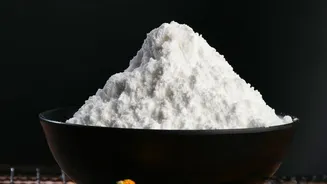
The 12-week study, published in the Journal of the International Society of Sports Nutrition, involved 64 healthy adults. Participants were split into two main camps: one group that continued their normal daily life without a specific exercise programme, and another that engaged in a structured regimen of resistance and aerobic training combined with a calorie-conscious diet. Within each of these camps, participants were randomly given either 10 grams of creatine monohydrate per day or a placebo. The results were consistent: those taking creatine fared better. The most significant finding was the gain in lean mass and strength in the group that didn't change their activity levels, pointing to a potential new role for creatine in promoting general wellness with age.
What Exactly is Lean Mass?
It's easy to hear "lean mass" and think only of muscle, but the term is broader. Lean body mass refers to the total weight of your body minus all your fat mass. This includes your muscles, bones, organs, skin, and the water stored in your tissues. Maintaining or increasing lean body mass is crucial for health, especially as we age. More lean tissue supports a higher metabolism, meaning you burn more calories even at rest. It's also linked to better mobility, strength, and overall resilience, reducing the risk of frailty and injury later in life.
The 'No Exercise' Caveat
The headline finding that creatine can build mass without exercise is compelling, but it's not a free pass to skip physical activity. The study showed that while creatine alone provided benefits, the most impressive results were seen in the group that combined the supplement with exercise. This group not only gained more strength but also lost more body fat, achieving a more significant improvement in overall body composition. They gained nearly three pounds of lean tissue while simultaneously losing fat mass, something the placebo group on the same diet and exercise plan couldn't match. The takeaway is that creatine appears to complement and enhance the effects of exercise, not replace it.
Putting the Findings in Context
Experts see this research as an important step in understanding how creatine can support healthy aging, moving its reputation beyond the world of professional sports. Sarcopenia, or age-related muscle loss, is a major concern for middle-aged and older adults. This study suggests that creatine could be a simple tool to help preserve the body's metabolically active tissue. However, it's important to manage expectations. The study was relatively small, and researchers note that some of the lean mass gain could be from water retention within the muscle cells, a known effect of creatine. Even so, this cellular hydration itself may have benefits, potentially reducing muscle protein breakdown.