



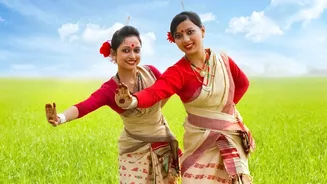

Every December, the hills of Nagaland come alive with the sounds of log drums, folk songs, and warrior chants. This is the Hornbill Festival, a ten-day cultural immersion scheduled for December 1-10, 2026, offering a front-row seat to the region's soul.
The 'Festival of Festivals'
Often called the 'Festival of Festivals', the Hornbill Festival was started by the Nagaland government in 2000. Its primary purpose is to showcase the rich cultural heritage of Nagaland's diverse tribes and encourage inter-tribal interaction. For visitors, it's a rare opportunity to witness the traditions of all Naga communities in one place. The festival is named after the Indian hornbill, a bird deeply respected in Naga folklore for its grandeur and alertness, and its importance is woven into the songs and traditions of the people. The event not only preserves ancient customs but also provides a significant boost to the local economy through cultural tourism.
The Heartbeat of the Celebration: Kisama
The festival's permanent home is the Naga Heritage Village at Kisama, located about 12 kilometres from the state capital, Kohima. This open-air museum is a recreation of a traditional Naga village, designed to preserve and showcase the culture of Nagaland's tribes. The village features 'Morungs', or traditional youth dormitories, with each meticulously built in the distinct architectural style of a different Naga tribe. During the festival, these Morungs become lively hubs where you can interact with elders in full regalia, witness live craft demonstrations, and learn about the customs of each community. The name 'Kisama' itself is a blend of two neighbouring villages, Kigwema (Ki) and Phesama (sa), symbolizing a spirit of collaboration.
A Symphony of Sights and Sounds
The main arena at Kisama is where the cultural heart of the festival beats strongest, with a rolling programme of performances from morning until afternoon. Each day, different tribes showcase their unique heritage through war dances, harvest songs, and folk tales. From the energetic battle cries to the graceful courtship dances, the performances are a vibrant display of traditional attire, including intricate headgear, colourful shawls, and handcrafted jewellery. Beyond the main stage, you can witness indigenous sports like Naga wrestling and archery. As evening falls, the energy shifts to contemporary culture with the Hornbill Music Festival and Rock Contest, which attracts bands from across the country.
A Feast for the Senses
No trip to the Hornbill Festival is complete without indulging in the local cuisine. The Morungs and various food stalls offer a chance to sample authentic Naga dishes. Adventurous foodies can try smoked pork with bamboo shoot, dishes seasoned with 'axone' (fermented soybean), and fiery curries made with the infamous Naga king chilli. For a milder but equally authentic experience, try the freshly prepared rice beer, known locally as 'Zutho', which is often served in bamboo mugs. The festival is also a shopper's paradise. A large crafts bazaar showcases handmade products directly from artisans, including handwoven shawls, tribal jewellery, wood carvings, and black pottery. It's an excellent opportunity to buy unique souvenirs while supporting local craftspeople.
Essential Visitor Guide
Planning a trip to Hornbill requires some preparation. The nearest airport and major railway station are in Dimapur, approximately 74 km from Kohima. From Dimapur, it's a 2–3 hour taxi ride to the capital. Given the festival's popularity, it's wise to book accommodation in Kohima or nearby villages like Kigwema well in advance. All domestic tourists require an Inner Line Permit (ILP) to enter Nagaland, which can be applied for online. The weather in December is pleasant during the day but gets cold quickly after sunset, so packing layers and warm clothing is essential. While digital payments are sometimes available, carrying enough cash is recommended, as connectivity can be patchy at the festival grounds.