








What is This New Adulteration Scare?
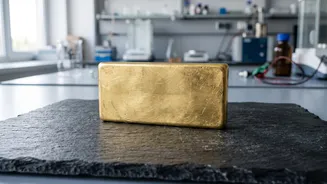
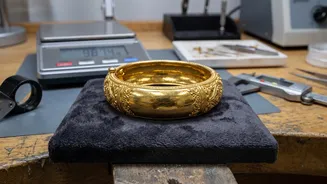
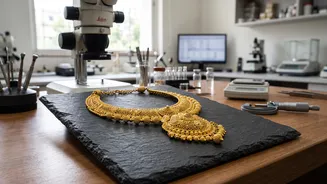
A recent media investigation has brought to light a serious allegation: that a rare, heavy metal called rhenium is being mixed with gold. An experiment conducted by journalists with a jeweller in Jodhpur showed that an ornament made with this mixture
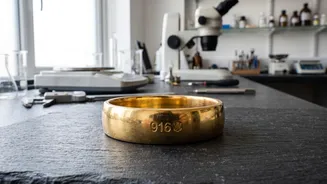
was able to pass multiple purity tests, and even received a 22-carat (916) hallmark, despite its actual gold content being much lower, at around 20-carat purity. This has sparked concern because it suggests a potential loophole in the system designed to protect every consumer's investment.
Understanding Rhenium and the Deception
Rhenium is a dense, silvery-white industrial metal. Its key property in this context is its density, which is very close to that of gold. Gold’s purity is often checked using X-ray fluorescence (XRF) machines, which analyse the metal's composition. Because rhenium has a similar density to gold, it can allegedly be added to increase an ornament's total weight without being easily flagged by some standard testing machines, which may not be calibrated to detect it. The investigation claimed the adulterated piece was repeatedly certified as having 91.6% gold, the standard for 22-carat jewellery, when it actually contained only about 81.7%. This is not the first time such concerns have been raised; jewellers have previously flagged the use of other dense metals like iridium and osmium for adulteration.
How Hallmarking is Supposed to Work
The Bureau of Indian Standards (BIS) hallmark is the government's guarantee of purity. For 22-carat gold, this means the piece must contain 91.6% pure gold, which is where the '916' stamp comes from. Since June 2021, hallmarking has become mandatory in a phased manner across hundreds of Indian districts to prevent adulteration and protect buyers. The system involves a jeweller submitting their items to a BIS-recognised Assaying and Hallmarking Centre (AHC). These centres test the purity and apply a three-part hallmark: the BIS logo, the purity grade (e.g., 22K916), and a six-digit alphanumeric Hallmark Unique Identification (HUID) number. This HUID is unique to each piece and allows a consumer to verify its details using the BIS Care app.
Is Your Gold Jewellery at Risk?
The investigation has exposed a potential vulnerability, but it does not mean that all hallmarked jewellery is compromised. Industry experts point out that advanced XRF machines and other testing methods like fire assay can accurately detect such adulterants. The issue may lie with older machines or those not properly configured to search for a wide range of elements. The investigation itself traced the supply of the rhenium powder to an agent in China, suggesting this is a deliberate and sophisticated fraud, not a widespread industry practice. However, it serves as a critical warning for both the industry and regulatory bodies to upgrade and tighten their processes to stay ahead of such methods.
What Can Consumers Do to Stay Safe?
While regulatory bodies will undoubtedly review testing protocols, consumers can also take steps to protect themselves. The most important defence is to buy from reputable and trusted jewellers who have a long-standing history of quality and transparency. Always insist on a proper, itemised bill that clearly states the gold's purity, weight, and the HUID number. Use the BIS Care app to verify the HUID number on your jewellery. This cross-checks the ornament's details with the official hallmarking record. When purchasing, ask about the jeweller's buy-back policy and certification. A transparent jeweller will have no issue discussing purity and providing all necessary documentation. Don't be swayed by unusually high discounts or prices that seem too good to be true, as this can sometimes be a red flag.