




The Green Powder of Zen
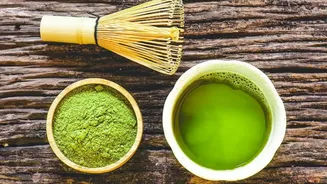
Matcha’s story begins not in a trendy cafe, but in the serene world of 12th-century Japanese Zen Buddhism. Introduced from China, where powdered tea was a passing practice, Japanese monks elevated it into an art form. They discovered that consuming the entire,
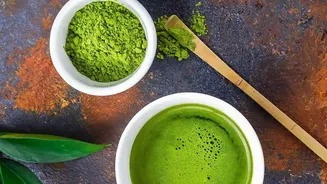
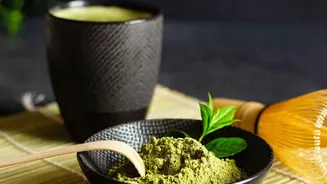
stone-ground leaf offered a unique benefit: a state of calm alertness ideal for long meditation sessions. This was thanks to a special cultivation method. Tea plants (Camellia sinensis) are shaded for weeks before harvest, which boosts their chlorophyll and L-theanine content. This meticulous process, from growing to grinding, resulted in a fine, emerald powder that was central to the highly ritualised Japanese tea ceremony, known as 'chanoyu' or 'the way of tea'. This wasn't just about drinking tea; it was a spiritual practice embodying harmony, respect, and tranquility.
Why It's More Than Just Tea
The magic of matcha lies in its unique chemical composition, which explains both its ancient appeal and modern-day buzz. Unlike regular green tea where you discard the leaves, with matcha, you ingest the whole thing. This delivers a concentrated dose of antioxidants, particularly catechins, which are lauded for their health benefits. But the true star is L-theanine, an amino acid that works in synergy with caffeine. While the caffeine provides energy, L-theanine promotes relaxation and focus, counteracting the jitteriness and subsequent crash often associated with coffee. This combination creates the signature 'calm alertness' that Zen monks sought centuries ago and which modern wellness enthusiasts now covet for productivity and stress relief.
The Matcha Wave Reaches India
For decades, tea in India primarily meant chai. But in recent years, a new green tide has rolled in. Driven by global wellness trends, social media aesthetics, and a growing curiosity among urban millennials and Gen Z, matcha has found a fervent following. Its vibrant, 'Instagrammable' colour made it an instant visual star, while its reputation as a superfood resonated with an increasingly health-conscious audience. The market is booming, with India's matcha consumption growing at a reported 8.6% annually, significantly faster than the traditional tea market. Cafes in Delhi, Bengaluru, Mumbai, and beyond have become the epicentres of this trend, introducing the powdered green tea to a new generation of drinkers.
From Sacred Ritual to Cafe Creation
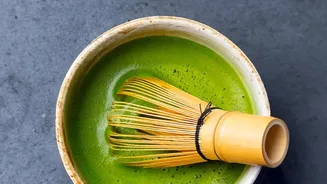
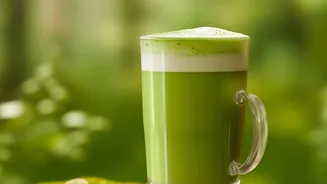
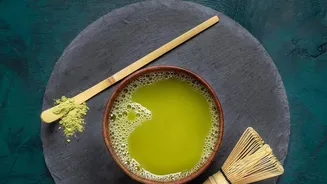
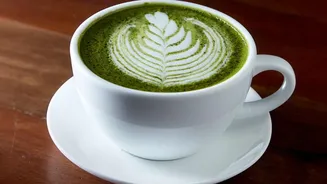
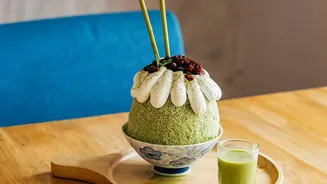
In India, matcha is being creatively reimagined far beyond its ceremonial origins. While traditional preparation involves whisking the powder with hot water into a frothy consistency, Indian cafes are using it as a versatile ingredient. The most common gateway is the matcha latte, a creamy, often sweetened beverage that makes the earthy, umami flavour more accessible. But the innovation doesn't stop there. Menus now feature everything from matcha-infused French toast and panna cotta to financiers and tiramisu-style drinks. Some brands are even fusing it with familiar Indian flavours, creating bold combinations like a matcha aam panna, where the sour tang of raw mango complements the tea's earthiness. These creations transform matcha from a solemn ritual into a playful and decadent treat.
A New Symbol of Modern Wellness
Beyond the cafe, matcha has been embraced as a cornerstone of new-age wellness culture in India. It has become a lifestyle statement—a symbol of mindful living and clean energy. The trend is also moving into homes, with searches for 'how to make matcha' surging by 1300% in the past year, indicating a deeper level of interest beyond just ordering it at a cafe. Consumers are investing in whisks and high-grade powders, turning their morning cup into a personal wellness ritual. In a way, the circle is closing. The same principles of focus and mindfulness that drew Zen monks to matcha 800 years ago are now attracting a new audience in India, who seek a moment of calm and purposeful energy in their fast-paced modern lives.