


A Park Reawakened for a New Season
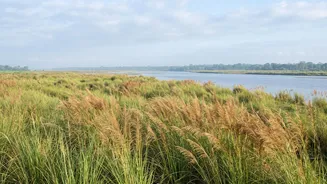
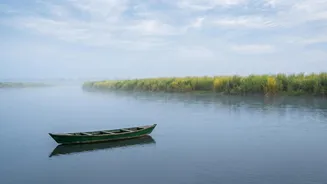
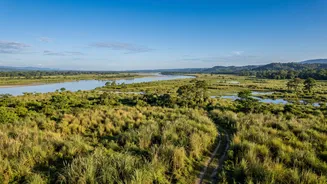
Every year, Kaziranga National Park closes its gates during the monsoon season. The mighty Brahmaputra River and its tributaries swell, inundating large portions of the park. This annual flood, while disruptive to tourism, is essential for rejuvenating
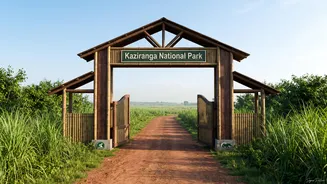
the park's unique ecosystem of grasslands and wetlands. The park officially reopened for the 2026-27 tourist season on October 3, 2026. The formal inauguration at the Kohora (Central) Range, led by Assam's Forest Minister, marked the start of what officials hope will be another record-breaking year for tourism. The park saw its highest-ever visitor numbers in the previous season and hopes to surpass that this year. Following extensive road repairs after the floods, the park is once again ready to showcase its incredible biodiversity.
The Stars of the Show: What to See
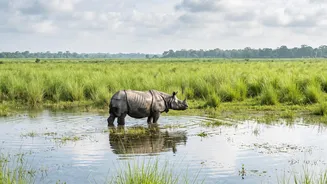
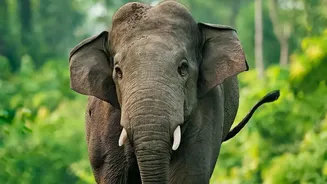
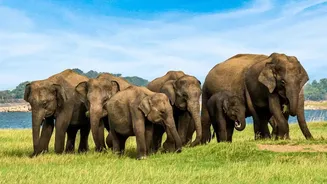
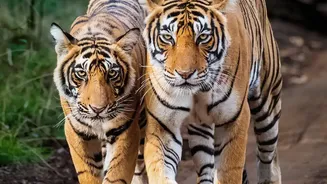
Kaziranga is a UNESCO World Heritage site, globally renowned for its phenomenal conservation success, especially with the greater one-horned rhinoceros. The park is home to the world's largest population of this magnificent animal, and a sighting is a highlight for most visitors. But the rhino is just one part of Kaziranga's 'Big Five'. The park also hosts significant populations of Asiatic elephants, wild water buffalo, swamp deer, and the elusive Bengal tiger. Beyond these giants, the park is an avian paradise, recognized as an Important Bird Area with hundreds of resident and migratory species. Keep an eye out for pelicans, storks, and eagles, especially during the cooler months. While wildlife sightings are never guaranteed, the post-monsoon period is a fantastic time to visit as animals are active in the verdant landscape.
Your Safari Experience Explained
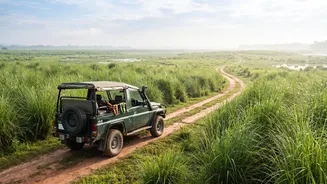
Exploring Kaziranga is primarily done through safaris. The most popular option is the jeep safari, which allows you to cover more ground across the park's different ranges. For the current 2026-27 season, jeep safaris began immediately upon reopening on October 3 in the Kohora (Central) and Bagori (Western) ranges, with other ranges opening in phases. Safari timings are generally split into morning (around 7:30 AM to 10:00 AM) and afternoon (1:30 PM to 3:00 PM) slots. The other iconic experience is the elephant safari, which offers a different perspective, allowing you to get closer to wildlife in the tall grass. However, elephant safaris are expected to resume later, likely within 10 to 20 days of the park's opening, pending ground preparations. It's highly recommended to book all safaris in advance, especially during peak season, which can often be done through your hotel or official online portals.
Planning Your Visit to Kaziranga
The best time to visit Kaziranga is typically from November to April, when the weather is dry and pleasant, and the grasses are shorter, improving visibility. October, as a shoulder month, offers the advantage of incredibly green landscapes right after the monsoon, though some trails may still be soft. Reaching the park is straightforward. The nearest airport is in Jorhat, about 95 km away, while the major airport at Guwahati is around 217 km from the park. The closest railway station is Jakhalabandha. A wide range of accommodation is available near the main park entrances, from government lodges and budget guesthouses to luxurious private resorts. For a comprehensive experience, experts suggest spending at least two to three days to explore the different ranges of the park, each offering a unique landscape and wildlife viewing opportunities. Beyond the safari, you can also explore nearby attractions like tea gardens and the Kaziranga National Orchid and Biodiversity Park.