


The Grain Revolution
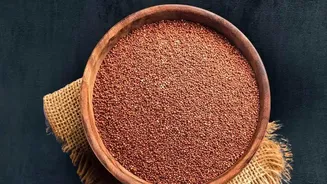
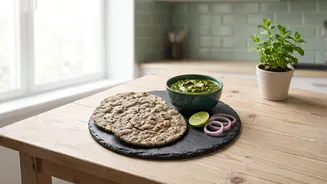
Not long ago, millets like jowar, bajra, and ragi were often seen as “poor man’s grains,” overshadowed by the nationwide push for wheat and rice. These ancient staples, which once formed the backbone of regional diets for millennia, faded from many urban
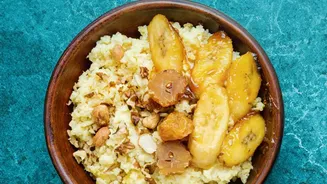
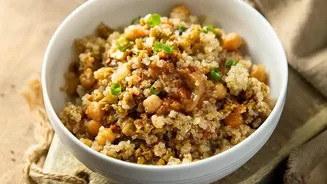
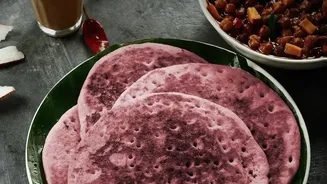
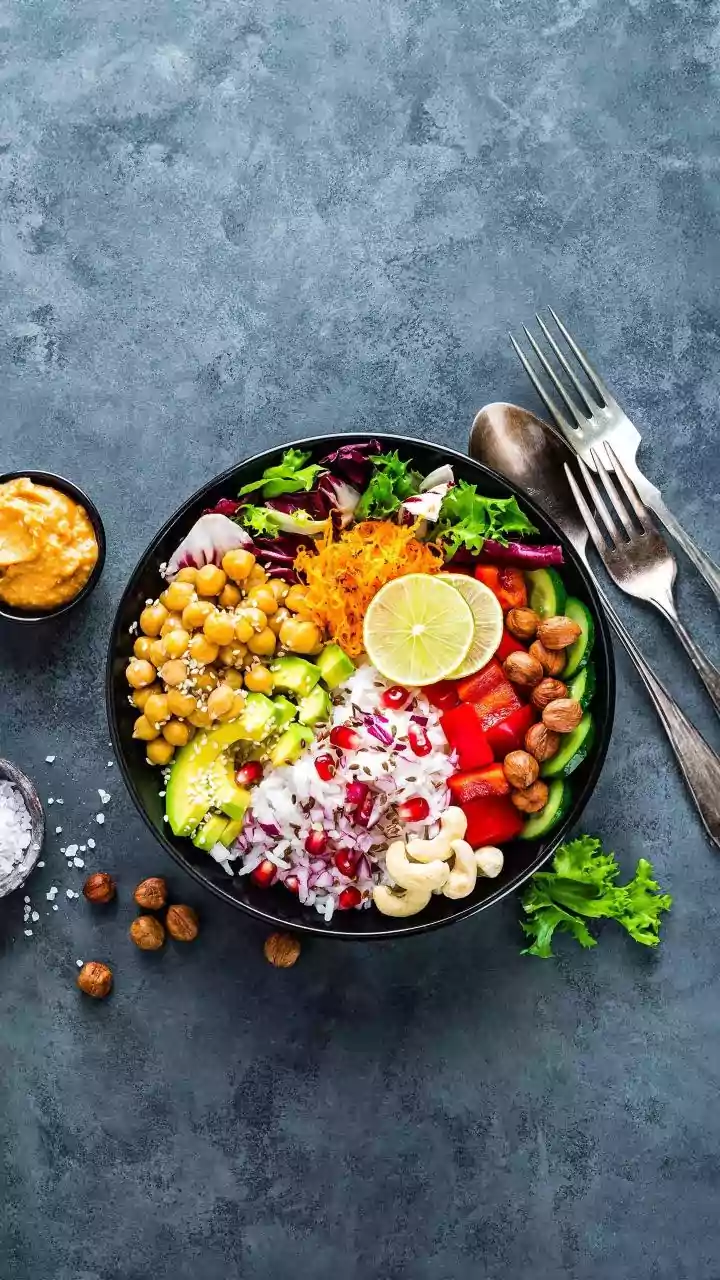
tables. Today, they are being rediscovered and celebrated. This revival isn't just about bringing back old ingredients; it’s about a fundamental shift in how we think about food. Grains that were once considered coarse are now branded as 'nutri-cereals' and 'superfoods', finding their way into everything from breakfast porridges and dosas to contemporary salads and energy bars.
A Craving for Comfort
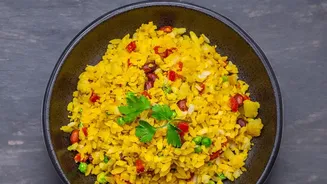
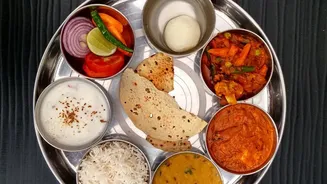
The return to traditional foods is deeply tied to a search for comfort in uncertain times. Food is a powerful carrier of memory and emotion. The taste of a dish can transport us back to a time that felt simpler and safer. Psychologists note that nostalgic eating can be a mood-repair mechanism, especially when triggered by stress or loneliness. Familiar foods like khichdi, dal, and regional specialties offer more than just sustenance; they provide a sense of security and connection. This craving isn't just for the taste itself, but for the feelings of care and belonging associated with it—a subconscious link to home, family, and happy memories.
The Modern Health Halo
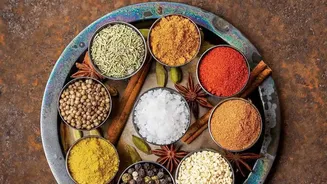
What our ancestors knew intuitively, science is now confirming. Many traditional Indian staples are nutritional powerhouses. Millets, for example, are naturally gluten-free, rich in protein and fibre, and have a low glycemic index, making them beneficial for managing blood sugar levels. Spices like turmeric, ginger, and cumin, long used in Indian kitchens, are celebrated for their anti-inflammatory and antioxidant properties. The combination of lentils and grains in classic dishes provides complete proteins. This renewed focus on health has given these old-world ingredients a modern 'health halo,' making them popular with a new generation of health-conscious consumers. The post-pandemic era, in particular, saw a surge in people turning to these foods as a form of self-care.
More Than Just Nostalgia
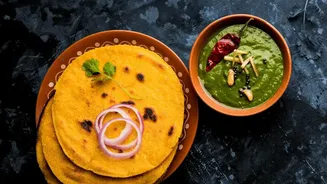
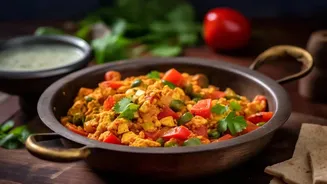
While nostalgia and health are major drivers, the trend is also supported by economics and a renewed sense of cultural pride. Many of these traditional grains are climate-resilient, requiring less water and fewer inputs to grow, making them a sustainable choice for farmers. As interest in regional Indian cuisines grows, ingredients once seen as mundane are being re-evaluated as a vital part of the nation’s culinary heritage. This isn’t about perfectly recreating the past. Instead, home cooks and chefs are adapting these staples for modern kitchens, using them in familiar formats like rotis, porridges, and one-pot meals, making them accessible without demanding a complete overhaul of one's cooking style. It represents a thoughtful merging of the old and the new.