








Beyond the Calendar
When we talk about seasonal eating today, we often mean buying strawberries in summer and pumpkins in autumn. But traditional food cultures, particularly in India, hold a far more sophisticated understanding of seasonality. This wisdom isn't just about what's
available; it's about what the body needs to cope with the environment. This knowledge system, often codified in practices like Ayurveda's 'Ritucharya' (seasonal regimen), provides a blueprint for eating that supports health as the seasons change. For generations, this was the default health system, a form of nutritional wisdom passed down through kitchens, long before dietitians and wellness apps existed. The arrival of monsoon, for example, wasn't just a weather event; it was a signal to shift to lighter, digestive-friendly foods.
The Wisdom of Winter
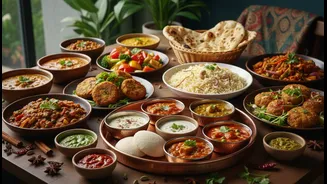
In the cold months across North India, the culinary landscape transforms. The digestive fire, or 'agni', is considered stronger, capable of handling richer, denser foods. This is when kitchens bring forth 'Sarson da Saag', a slow-cooked dish of mustard greens, often paired with spinach. These greens, at their peak in winter, are packed with antioxidants and Vitamin C, crucial for boosting immunity during cold and flu season. Similarly, 'Gond ka Ladoo', sweets made from edible gum, ghee, and nuts, are not just treats; they are energy-dense snacks designed to provide warmth and strengthen bones. Ingredients like jaggery, sesame, millets, and ghee become staples, helping the body generate and retain heat. This isn't just comfort food; it's a functional, delicious response to the physiological demands of winter.
A Menu for the Monsoon
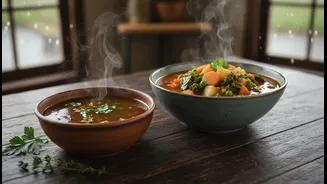
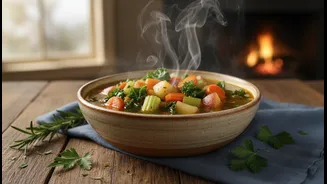
As the rains arrive, the humidity rises and the digestive system is thought to slow down. Traditional food wisdom responds with a shift towards warm, freshly cooked meals that are easy on the gut. In Bengal, this means 'khichuri', a comforting mix of rice and lentils. In Mumbai, the craving for fried 'bhajiyas' and 'vada pav' is a classic rainy-day response. Down south, a peppery 'rasam' provides warmth and aids digestion. These culinary shifts aren't arbitrary. They feature warming and digestive spices like ginger, turmeric, and pepper, which help boost immunity and fight off infections common in the damp weather. Steamed foods also become more popular, valued for being light yet sustaining.
The Limits of a Checklist
So where does this rich, nuanced knowledge fit into modern nutritional data? Often, it doesn't. National food consumption surveys, while vital for public health policy, have inherent limitations. These surveys are typically conducted through methods like 24-hour recalls or food frequency questionnaires, which rely on a person's ability to remember and accurately report what they ate. This process is prone to errors in memory, portion size estimation, and social desirability bias. More importantly, these surveys are designed to quantify what and how much is eaten, but rarely why. They can tell us that a household consumed lentils and rice, but not that it was in the form of 'khichdi' because the monsoon had arrived, making it a gut-friendly choice. The cultural context, the medicinal intent, and the seasonal logic are often lost in the data aggregation process.
Why This Knowledge Still Matters
In an age of year-round supermarket availability, it's easy to dismiss seasonal eating as a relic of the past. However, ignoring this encoded wisdom comes at a cost. When we eat the same foods all year, we miss out on the specific nutrients our bodies need to align with the environment. These traditions represent a living database, refined over generations, that connects our health to the world around us. They are a reminder that food is not just fuel, but also medicine, culture, and a story of our relationship with nature. While modern surveys provide a crucial, wide-angle snapshot of national consumption patterns, traditional foodways offer a deep, qualitative understanding that complements the quantitative data. Protecting and understanding these practices is not about rejecting modernity, but about integrating this profound, time-tested knowledge into our contemporary understanding of health and nutrition.