







Confirmed: Cultivation Is Expanding Beyond the Hills
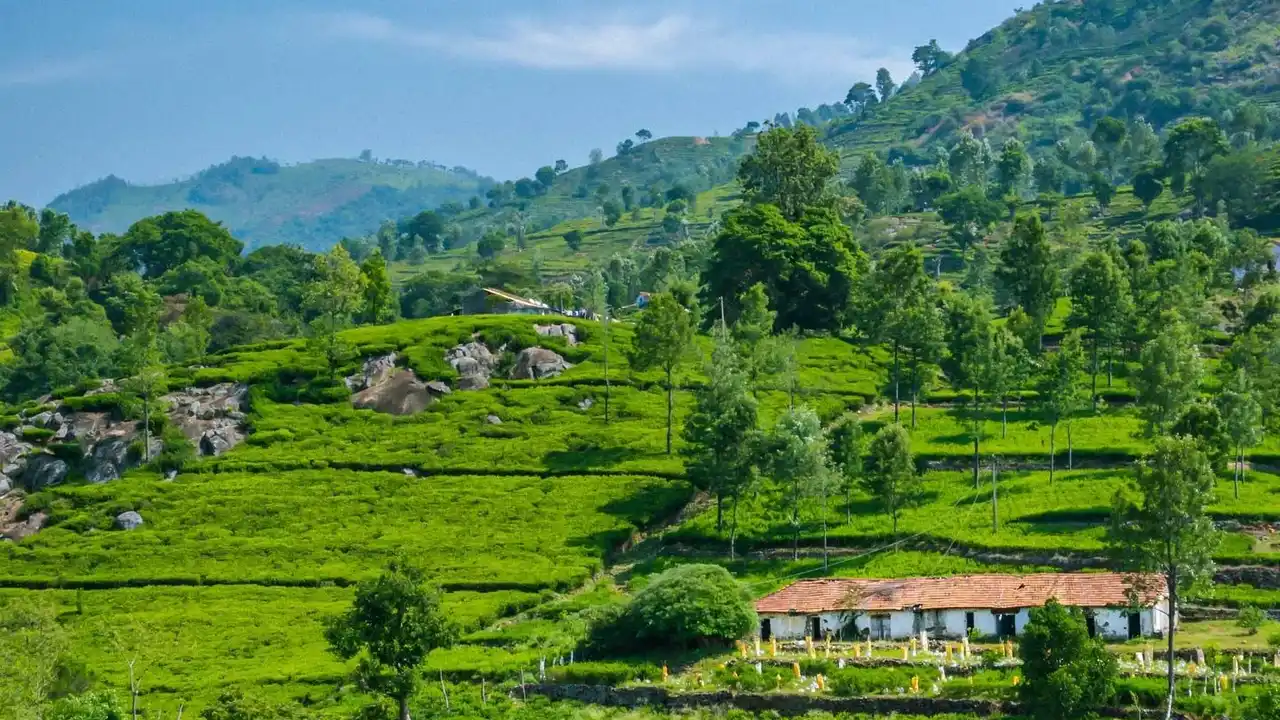
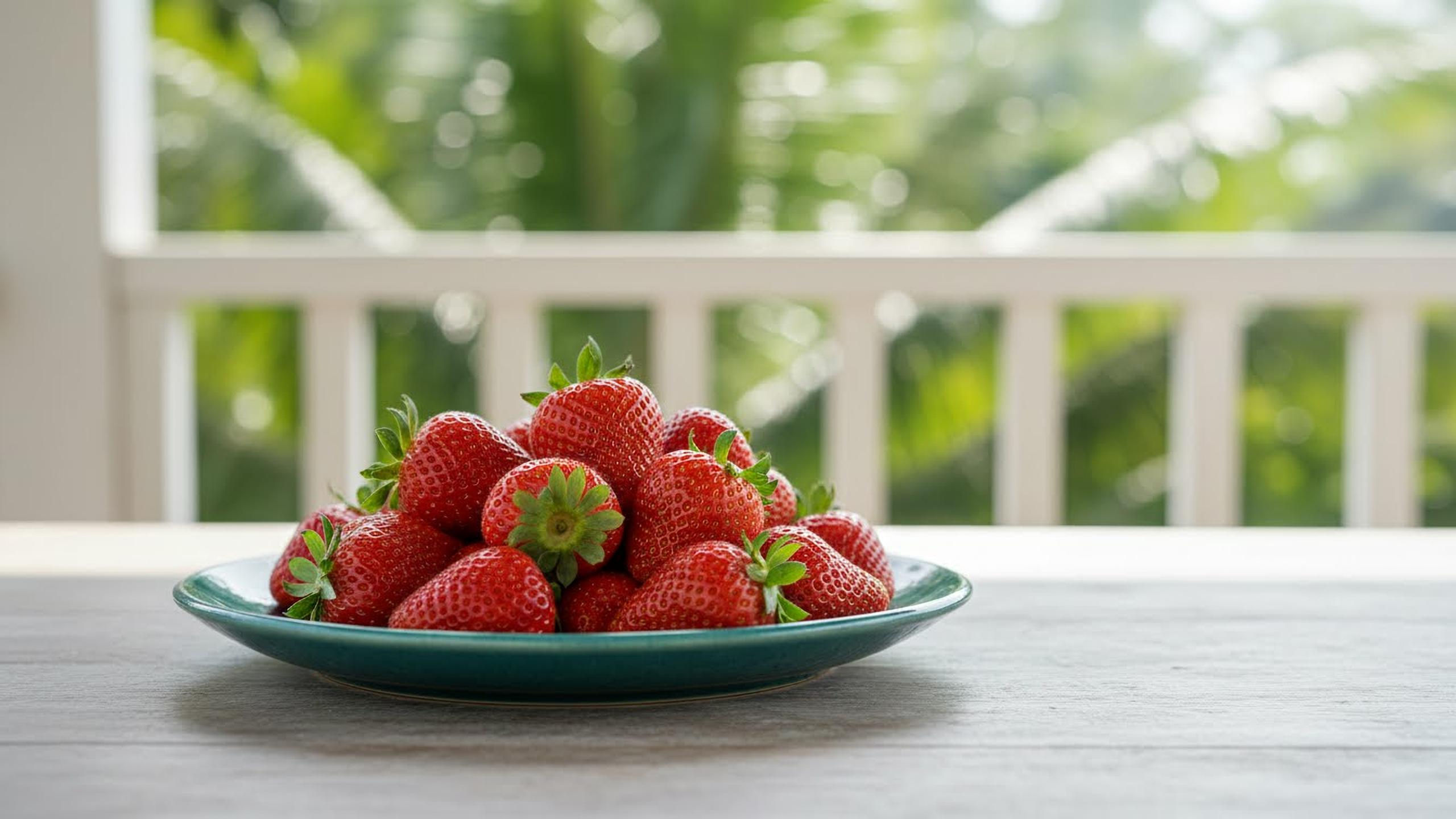
For decades, Indian strawberry cultivation was synonymous with the cool climes of Mahabaleshwar, which still accounts for a staggering 85% of the country's production. However, a significant and confirmed success is the expansion of strawberry farming
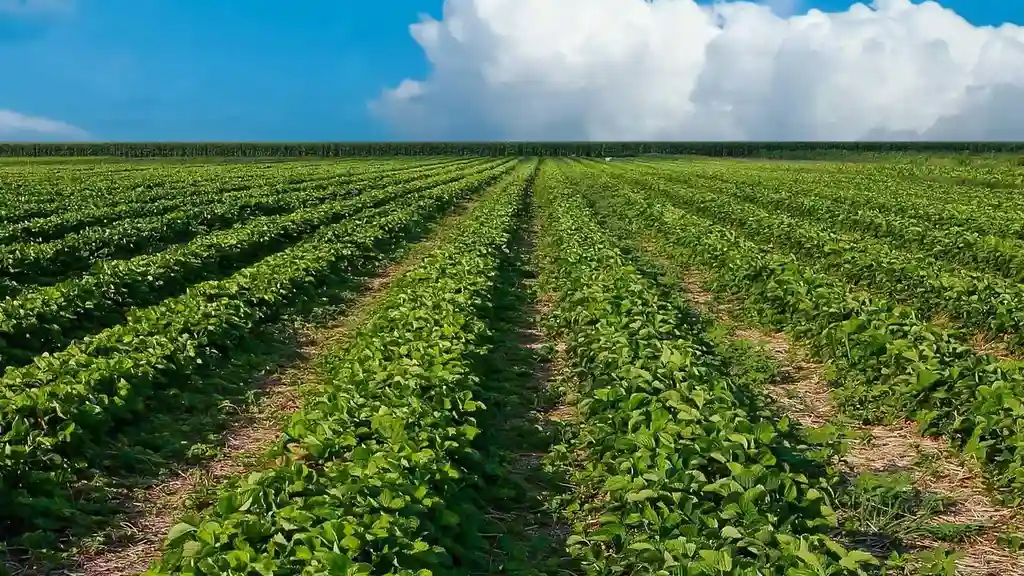
into non-traditional areas. Thanks to a combination of new techniques and better-adapted varieties, strawberries are now being cultivated successfully in the plains and subtropical zones during the winter months. This diversification is a major step forward, allowing farmers in states far from the traditional hilly belts to tap into this lucrative crop, sometimes with impressive results.
Confirmed: New Partnerships and Foreign Varieties Are Here
While the dream is a fully homegrown variety, the current landscape is a mix. Indian growers have become adept at cultivating foreign-bred varieties that perform well in local conditions. Cultivars developed by programs at the University of Florida, such as 'Sweet Sensation' and 'Winter Dawn', have shown excellent results in India due to their yield and quality. Furthermore, international breeding companies like Italy's Nova Siri Genetics have established exclusive partnerships with Indian firms to distribute and test their advanced strawberry varieties, such as 'Melissa' and 'Marimbella'. This is a confirmed strategy: leverage the best global genetics while working towards domestic innovation.
Unclear: The Viability of a Truly 'Indian' Strawberry
The ultimate goal is to develop India's own climate-resilient strawberry varieties, reducing the heavy dependence on imported planting material from Europe and the US. While there are reports of efforts to create India's first indigenous, climate-resilient variety, the specifics of this program, its timeline, and the characteristics of such a plant remain largely unclear to the public. Breeding a new fruit variety is a long and complex process that can take many years. Although institutions are undoubtedly working on this, a commercially viable, widely available strawberry that is 100% 'Made in India' from a genetic standpoint is still more of an ambition than a present reality.
Unclear: The Battle Against Climate and Disease
A major uncertainty for strawberry growers across India is the increasing volatility of the climate. Fungal diseases, which thrive in the warm and sometimes wet conditions prevalent during the cropping season in the plains, pose a significant threat to yield and fruit quality. This leads to a heavy reliance on pesticides. While breeding programs aim to develop disease-resistant varieties, it is unclear how quickly these traits can be incorporated and whether they can keep pace with evolving pathogens and erratic weather patterns. Creating a strawberry that is not only productive but also naturally resilient to India's specific environmental pressures is the key challenge that remains unresolved.
Unclear: Achieving Full Self-Reliance
Expanding cultivation is one thing; achieving complete self-reliance is another. The Indian strawberry industry still leans heavily on foreign genetics and imported planting material. This dependence can be costly and makes farmers vulnerable to supply chain disruptions. The path to replacing this established system with a domestic one—from breeding and propagation to farmer adoption—is long. It requires not just scientific breakthroughs but also the development of a robust nursery infrastructure to supply farmers with high-quality, locally-bred plants. How long it will take for domestic varieties to significantly displace popular imported ones in commercial farming remains a major question mark.