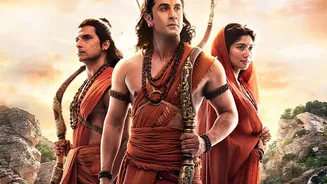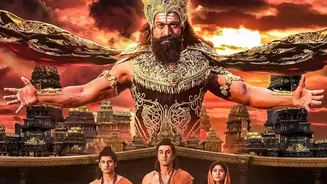

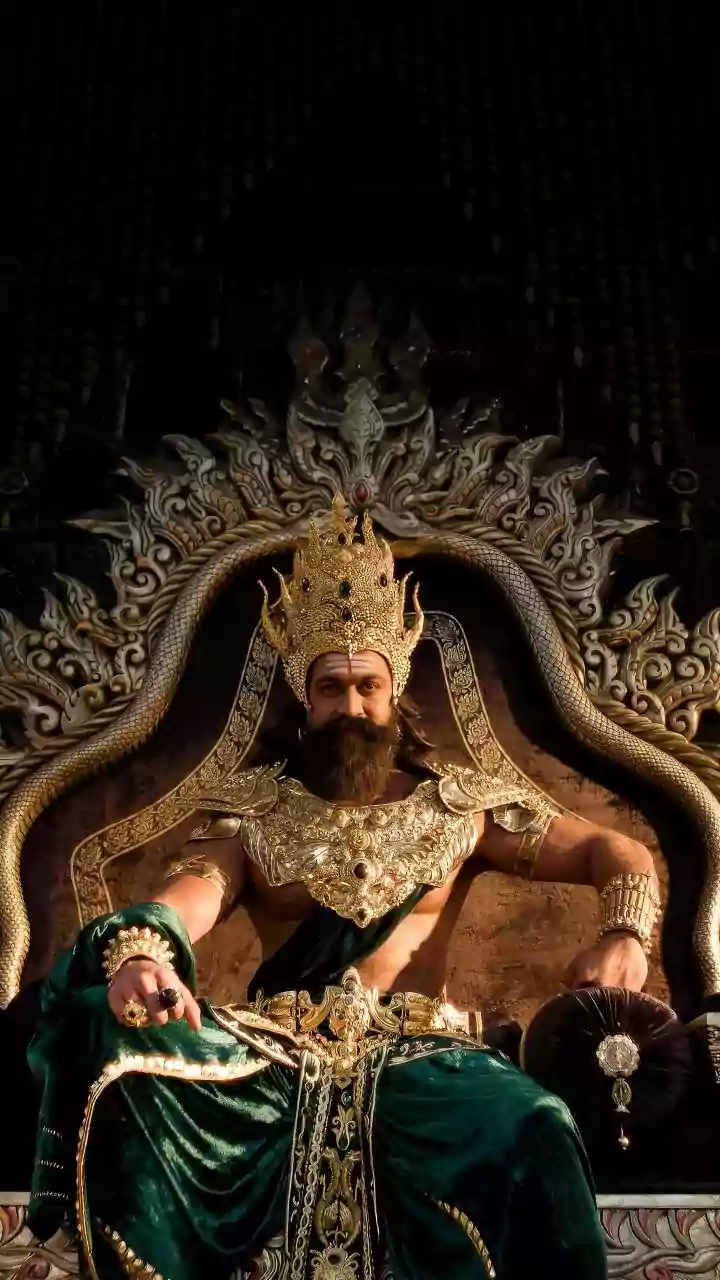


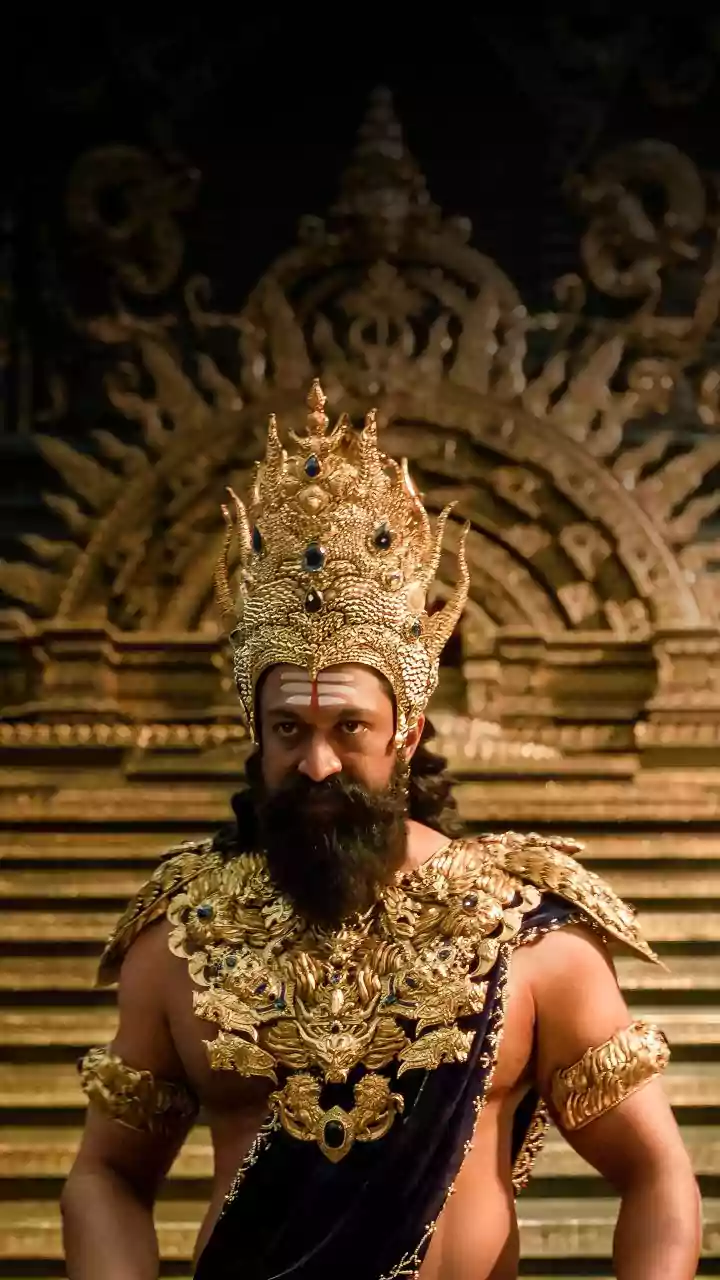

The Ramayana is dominated by its iconic heroes and villains. But beyond the central figures of Rama, Sita, Hanuman, and Ravana lies a rich tapestry of supporting characters whose quiet actions and profound sacrifices decisively shaped the epic's course.
Urmila: The Quietest Sacrifice
Urmila, Sita’s younger sister and the wife of Lakshmana, embodies a sacrifice that is often overlooked. When Lakshmana chose to accompany Rama into a 14-year exile, Urmila stayed behind in Ayodhya. While her husband’s sacrifice was one of active service, hers was one of silent endurance and patience. A popular devotional tradition holds that she took on Lakshmana's share of sleep for all fourteen years, allowing him to remain awake and vigilant in his duty to guard Rama and Sita. This extraordinary act, known as 'Urmila Nidra', is what some believe enabled Lakshmana to defeat Ravana's powerful son, Meghanada, who could only be killed by a man who had not slept for a long time. Urmila's story is a powerful reminder that not all heroism is loud or visible; her strength was in her quiet, unwavering support and the immense personal cost she paid without complaint or recognition.
Shanta: The Sister Who Paved the Way
Few know that Rama had an elder sister named Shanta, the firstborn of King Dasharatha and Queen Kausalya. According to many tellings of the epic, Dasharatha gave Shanta in adoption to King Romapada of Anga, who was childless. Shanta was raised as the princess of Anga and eventually married the sage Rishyasringa. Her role becomes pivotal later on. When Dasharatha was unable to have sons to continue his dynasty, he was advised to perform a special yagna (a fire ritual). The one sage capable of performing it was none other than Rishyasringa, Shanta's husband. It was Shanta who persuaded him to conduct the ritual for her birth father. The successful completion of this yagna led directly to the birth of Rama, Bharata, Lakshmana, and Shatrughna. Without Shanta and her marriage, the very existence of the four princes would be in question, making her an unseen but foundational influence on the entire narrative.
Mandodari: The Voice of Reason in Lanka
As the chief queen of Ravana, Mandodari was more than just the wife of the epic's antagonist. She was a voice of piety, righteousness, and reason within the walls of Lanka. Described as beautiful and devout, Mandodari repeatedly advised her husband to return Sita to Rama and abandon his path of adharma (unrighteousness). She understood that Rama was no ordinary mortal and warned Ravana that his actions would lead to certain destruction for their kingdom and family. In a critical moment, she physically intervened to save Sita's life when a furious Ravana drew his sword to kill her. Despite her love for her husband, her moral compass remained strong. Mandodari represents the tragic figure who sees the impending doom but is powerless to stop it, serving as a constant reminder of the righteous path that Ravana chose to ignore.
Jambavan: The Ancient Sage and Motivator
Jambavan, the ancient and wise king of the bears, plays a critical role at one of the Ramayana's most decisive moments. Created by Brahma, he is a 'Chiranjeevi' (immortal) who was present for many divine events, including the Vamana avatar of Vishnu. During the search for Sita, the vanara army reaches the southern coast, despondent at the sight of the vast ocean separating them from Lanka. Even the mighty Hanuman is unsure if he can make the leap. It is Jambavan who steps forward. Using his profound wisdom and memory, he reminds Hanuman of his dormant, god-given powers and incredible strength, which Hanuman had forgotten due to a childhood curse. This single act of motivation is the catalyst for the epic's climax. By reawakening Hanuman's confidence and power, Jambavan directly enables the discovery of Sita, the burning of Lanka, and the eventual war. His intervention shows that wisdom and encouragement can be as powerful as physical might.
Shabari: The Humility of True Devotion
The story of Shabari is a moving testament to the power of pure, unadulterated devotion (bhakti). An elderly ascetic woman from a humble tribal community, Shabari spent years waiting faithfully in her ashram for a visit from Rama, as foretold by her late guru, Matanga. Every day, she would collect wild berries, tasting each one to ensure she offered only the sweetest to her lord when he arrived. When Rama and Lakshmana finally reached her hermitage during their search for Sita, she was overjoyed. Overlooking all rules of social purity and etiquette, she offered Rama the berries she had half-bitten. Rama, recognizing the purity of her devotion, accepted and ate them with delight, demonstrating that the love behind an offering is more significant than any ritual. Her story illustrates that faith and devotion are not limited by caste or status, and her guidance ultimately helps point Rama towards his alliance with Sugriva.