






More Than Just a Simple Fidget
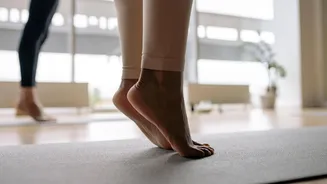
At its core, the seated toe-tap is a low-impact movement designed to activate the lower leg muscles, particularly the tibialis anterior, which runs along the front of your shin. This exercise involves keeping your heel on the floor and rhythmically lifting
and lowering your toes. While it might seem like a minor action, its effects on circulation and muscle health are significant. Think of it less as a strength-training feat and more as a gentle way to awaken dormant muscles, especially for those who spend long hours sitting. Its primary goals are to boost blood flow, improve ankle mobility, and gently condition the muscles responsible for lifting your foot.
The Real Benefits of a Gentle Rhythm
The advantages of incorporating regular toe-taps into your routine are surprisingly far-reaching for such a simple exercise. One of its most celebrated benefits is improved blood circulation. For individuals who sit for extended periods, blood can pool in the lower extremities; the rhythmic contraction of the shin muscles during toe-taps helps pump it back toward the heart, which can reduce swelling and feelings of fatigue in the legs. This simple action also strengthens the tibialis anterior, a key muscle for walking and running mechanics. A stronger shin muscle can improve your balance and gait, and it plays a vital role in preventing common overuse injuries like shin splints. Furthermore, the movement promotes ankle joint flexibility and can even help calm a busy mind before bed by creating a gentle, repetitive rhythm.
Why Pain Is a Stop Sign, Not a Goal
The popular fitness mantra "no pain, no gain" absolutely does not apply here. The goal of toe-tapping is stimulation, not annihilation. If you feel sharp or shooting pain in your shin, foot, or ankle, it’s a clear signal from your body to stop. Pushing through this pain is counterproductive and can lead to the very condition it often helps prevent: shin splints, also known as medial tibial stress syndrome. Pain indicates that you are putting excessive strain on the muscle, tendons, or the bone itself. This could be due to tapping too hard, too fast, or for too long without adequate conditioning. Remember, the sensation you're looking for is mild muscle fatigue or a gentle warming feeling in the shin, not acute discomfort. Overdoing it can lead to inflammation or even stress injuries, turning a helpful habit into a harmful one.
How to Tap the Right Way
Performing the exercise correctly is key to reaping its benefits without risking injury. Start by sitting comfortably in a chair with your back straight and your feet flat on the floor. Keep your heels planted firmly on the ground. Begin to lift the toes and ball of one foot toward your shin, then lower them back down. You can perform this with one foot at a time or both together. The key is control and maintaining a comfortable range of motion. Aim for a steady, rhythmic tapping rather than forceful, high-impact slaps. A good starting point is to tap rapidly but gently for 20 to 30 seconds, rest, and then repeat for a few sets. Listen to your body; if you feel strain, reduce the speed or duration. The exercise should feel easy and sustainable.