


The Science of a Himalayan Avalanche
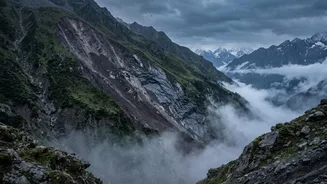
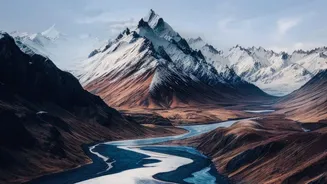
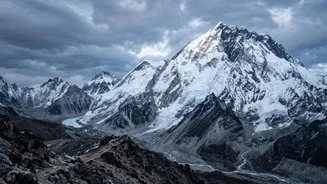
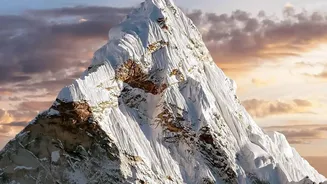
An avalanche is a rapid flow of snow, ice and debris down a mountainside. In the Himalayas, these events are often triggered on steep slopes between 30 and 45 degrees. They can be caused by several factors, including heavy snowfall adding weight to an unstable
snowpack, strong winds creating dense slabs of snow, or a rapid increase in temperature. Sometimes, the trigger is a natural event like an earthquake, but often it can be the weight of a single trekker on a fragile layer of snow. These are not just gentle slides; a significant avalanche can involve a massive volume of rock and ice, transforming into a powerful debris flow that moves with incredible speed and force.
Flash Floods and Glacial Lake Outbursts
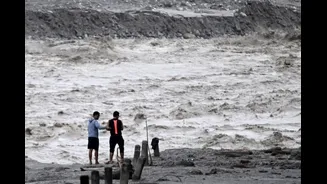
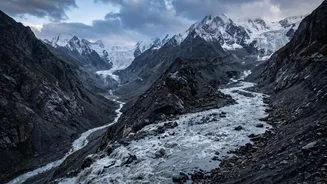
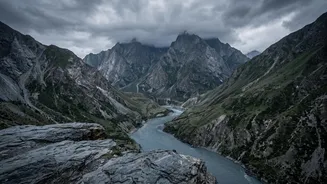
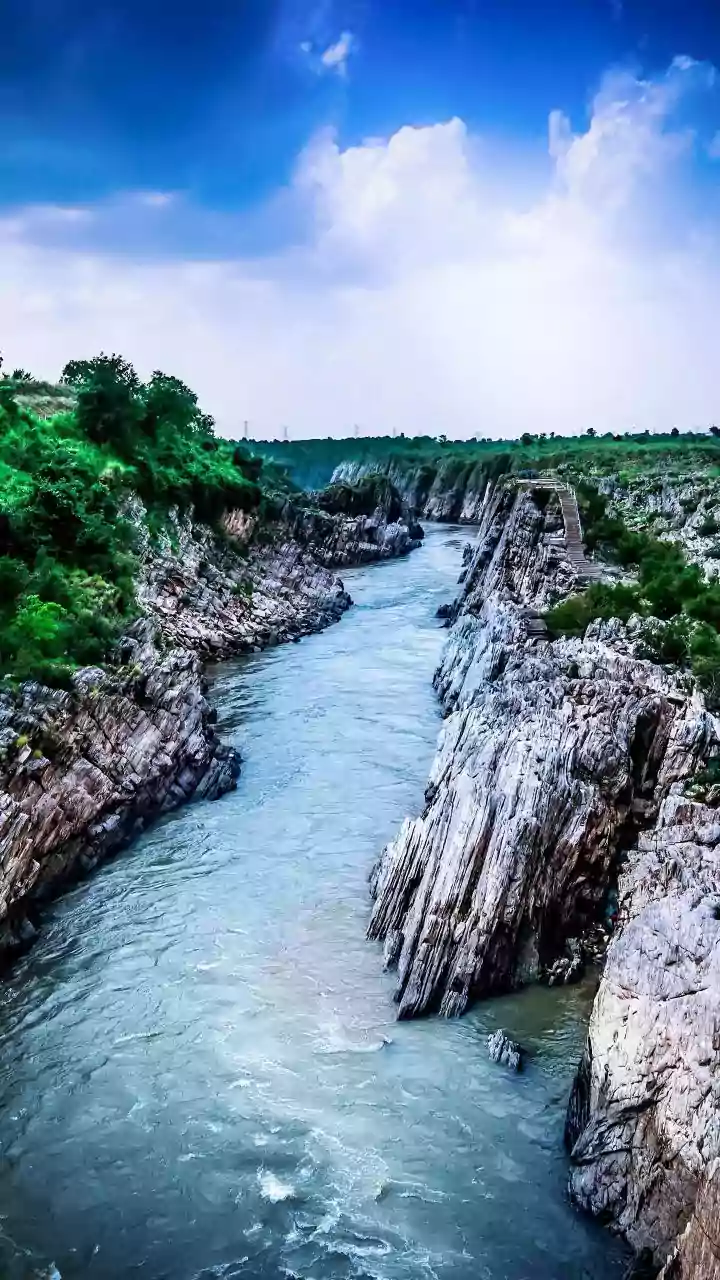
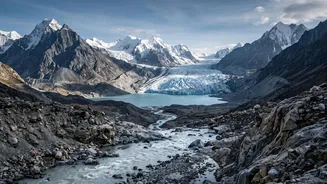
Himalayan valleys are carved by powerful rivers, but these same channels can become conduits for sudden, violent flash floods. These are often triggered by extreme rainfall, a common occurrence during the erratic monsoon season. However, a more unique and growing threat is the Glacial Lake Outburst Flood, or GLOF. As glaciers melt at an accelerated rate, they form vast lakes at their edges, often dammed by unstable walls of moraine—loose rock and sediment. If this natural dam is breached by an avalanche crashing into the lake, an earthquake, or simply the immense pressure of the growing body of water, it can release a devastating torrent downstream, wiping out everything in its path.
Why the Increasing Risk?
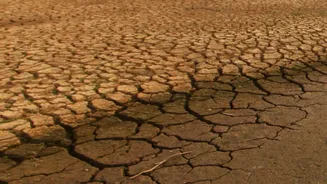
The primary driver behind the increasing frequency of these disasters is climate change. The Himalayan region is warming at a faster rate than the global average. This accelerated warming causes glaciers to melt and retreat at an unprecedented pace, not only increasing the volume of water in glacial lakes but also destabilising the very mountainsides they rest on. Warmer temperatures thaw the permafrost, which acts like a glue holding the high mountains together, making rockslides and collapses more likely. Studies have shown that Himalayan glaciers have been shrinking dramatically, with ice loss rates since 2000 doubling compared to previous decades. This creates a dangerous feedback loop: more melt leads to more unstable lakes and slopes, heightening the risk of both GLOFs and avalanches.
How to Spot the Warning Signs
While you cannot predict these events with certainty, there are red flags to watch for. For avalanches, be extremely cautious for 24-48 hours after heavy snowfall or strong winds. Look for signs of recent avalanche activity on similar slopes. If you see cracking in the snow surface under your feet or hear a hollow “whumping” sound, it’s a clear signal that the snowpack is unstable and you should retreat. For flash floods, the most immediate warning sign is a sudden change in the river. If the water level rises or falls unexpectedly, or if the water becomes muddy and full of debris, get to higher ground immediately. A distant rumbling sound can also indicate an approaching flood or debris flow.
Essential Safety for Your Trip
Preparation is your most powerful tool. Always travel with certified, experienced local guides who understand the terrain, weather patterns, and historical risks. Before you go, let someone know your exact route and expected return time. Check local weather and avalanche forecasts daily, and be prepared to change your plans if conditions are hazardous. Avoid trekking alone; a group is safer and can respond in an emergency. Essential gear for high-altitude trekking in snow-prone areas includes an avalanche transceiver, a probe, and a shovel, and knowing how to use them. For any trek, carry a well-stocked first-aid kit, a reliable communication device like a satellite phone, and emergency rations.