


What Exactly Is The Gaganyaan Mission?
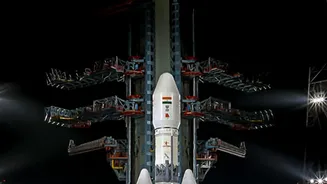
Gaganyaan, which means "celestial vehicle" in Sanskrit, is the Indian Space Research Organisation's (ISRO) flagship human spaceflight programme. The primary goal is to demonstrate India's capability to send a crew of three astronauts to an orbit of 400
kilometres for a three-day mission and bring them back safely to Earth by landing in Indian sea waters. Success will make India only the fourth country in the world—after the United States, Russia, and China—to achieve independent human spaceflight. The programme is not just about a single launch; it involves the development of critical new technologies, including a human-rated launch vehicle, a life support system to keep the crew safe in space, and a reliable crew escape system.
Where Does the Mission Stand in September 2026?
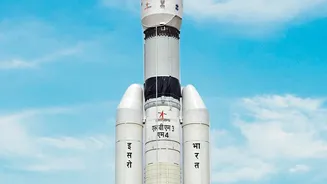
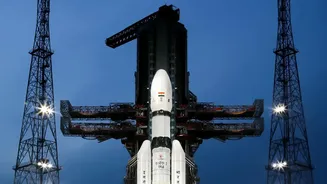
As of late 2026, the Gaganyaan programme is in an advanced stage of preparation. ISRO has successfully completed several crucial uncrewed test flights and ground tests, validating the performance of the powerful Human Rated LVM3 (HLVM3) rocket and the crew escape system. Having concluded these foundational tests, the focus has now shifted to the final integration of the spacecraft's systems. The first full uncrewed orbital test flight, known as the G1 mission, is now targeted for launch in the latter half of 2026. While earlier timelines were adjusted due to the complexity of the mission and the paramount importance of crew safety, ISRO is now in the final leg of preparations for this significant uncrewed launch.
Meet Vyommitra: The Humanoid Test Pilot
Before any Indian astronaut, or 'Gaganaut', flies, a unique test pilot will take the journey first: Vyommitra. Meaning "space friend" in Sanskrit, Vyommitra is a sophisticated humanoid robot designed to fly on the uncrewed test missions. This female-bodied humanoid can simulate human functions, operate the switch panels, monitor the crew module environment, and communicate with ground control. Her role is to test the spacecraft’s life support systems and performance under real flight conditions, gathering vital data on vibrations and acoustics without risking human life. In April 2026, ISRO began the pre-flight integration process for Vyommitra into the crew module, a key step towards the first uncrewed launch.
The Astronauts and Their Training
The heart of the human spaceflight mission is, of course, the crew. The four astronaut-designates for the Gaganyaan mission are Indian Air Force Group Captains Prasanth Balakrishnan Nair, Ajit Krishnan, Angad Pratap, and Wing Commander Shubhanshu Shukla. After initial training in Russia, they are currently undergoing extensive mission-specific training in Bengaluru. This includes rigorous physical fitness protocols, simulator training, and modules on the complex systems of the Gaganyaan spacecraft. One of the astronauts, Angad Pratap, recently noted that the crew is prepared for the fluid timelines of such a complex developmental programme, focusing on their readiness for whenever the launch occurs.
What Are the Next Major Steps?
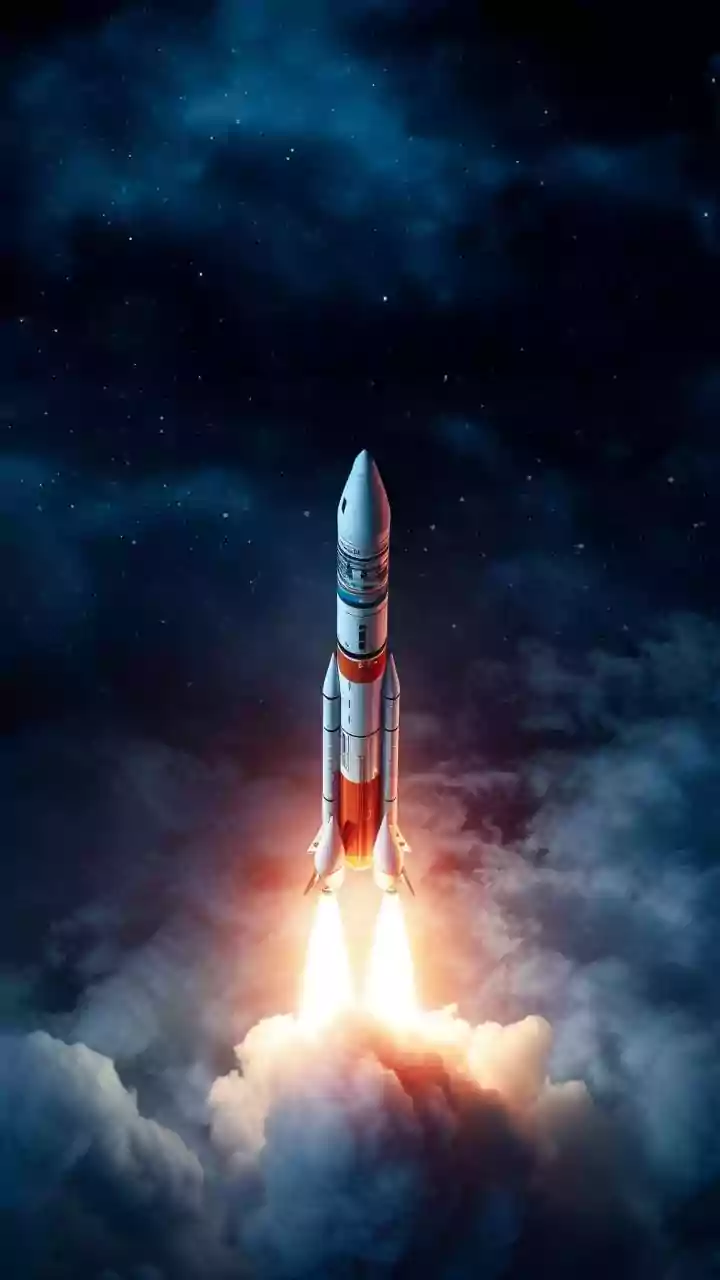
The immediate milestone is the first uncrewed orbital flight, G1, which will carry Vyommitra. This mission is critical for validating all systems in a real-space environment. Following G1, at least two more uncrewed missions are planned to ensure complete system reliability and safety. Based on the current, though subject to change, timelines, the first crewed mission, codenamed H1, is targeted for 2027. This historic flight will finally carry the three astronauts into orbit. The successful completion of the Gaganyaan programme is also a stepping stone for India's even bigger ambitions: establishing the Bharatiya Antariksh Station (Indian Space Station) by 2035 and landing an Indian on the Moon by 2040.