






The Foundation of a Healthy Diet
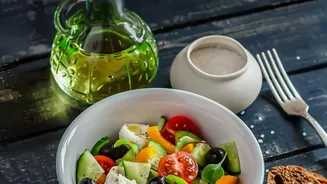
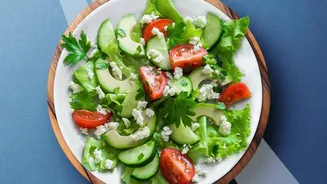
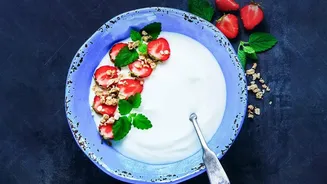
The Mediterranean diet isn't a strict set of rules but rather a lifestyle based on the traditional eating habits of countries bordering the Mediterranean Sea. This approach emphasizes an abundance of plant-based foods like fruits, vegetables, whole grains,
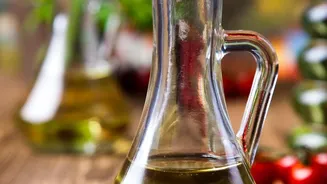
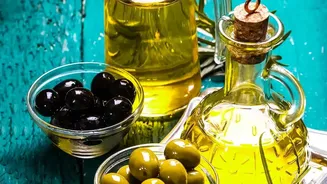
nuts, and legumes. Fish and poultry are eaten in moderation, while red meat is limited. But the single ingredient that truly defines the diet's character and anchors its fat profile is olive oil. It is used for everything from cooking and roasting to dressing salads and drizzling over finished dishes, replacing other fats like butter and lard.
Understanding Good Fats
For decades, dietary fat was often seen as a villain. We now understand that the type of fat matters more than the amount. The Mediterranean diet is rich in fat, but it's the right kind. Olive oil is predominantly made up of monounsaturated fats, specifically oleic acid. These healthy fats are liquid at room temperature and are celebrated for their positive impact on health. When substituted for saturated fats (found in butter, fatty meats, and palm oil), monounsaturated fats can help lower levels of 'bad' LDL cholesterol, a key factor in reducing the risk of heart disease.
The Power of Polyphenols
The benefits of olive oil extend far beyond its fatty acid profile. High-quality, extra virgin olive oil is packed with powerful plant compounds called polyphenols. These compounds act as potent antioxidants, protecting the body's cells from damage caused by unstable molecules known as free radicals. This oxidative stress is linked to chronic diseases like heart disease, diabetes, and even some cancers. Two of the most studied polyphenols in olive oil, oleocanthal and hydroxytyrosol, also have strong anti-inflammatory properties. The peppery sensation you might feel at the back of your throat from a good quality olive oil is actually a sign of the presence of oleocanthal.
Heart Health and Beyond
The combination of monounsaturated fats and polyphenols makes olive oil a powerhouse for cardiovascular health. Studies have consistently linked diets rich in extra virgin olive oil with a lower risk of heart attack, stroke, and death from heart disease. These benefits are attributed to its ability to improve cholesterol levels, reduce blood pressure, and enhance the function of blood vessels. But the positive effects don't stop there. Research suggests olive oil consumption supports brain health, may help protect against type 2 diabetes, and promotes a healthy gut by encouraging the growth of beneficial bacteria.
Choosing and Using Your Olive Oil
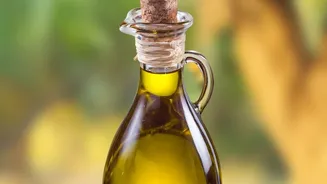
Not all olive oils are created equal. To get the most health benefits, especially the polyphenols, choose 'extra virgin' olive oil (EVOO). This is the least processed form, extracted without the use of heat or chemicals, which helps preserve its delicate compounds. 'Virgin' olive oil is the next best, while oils labelled 'pure', 'light', or simply 'olive oil' are refined and have lost most of their polyphenols. Extra virgin olive oil is perfect for salad dressings, dips, and drizzling over foods after cooking. While it can be used for sautéing at moderate temperatures, refined olive oils have a higher smoke point, making them more suitable for high-heat cooking.