






A Bold Decision
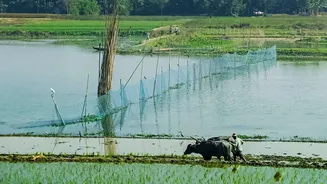
For generations, farmers in Karnataka's Udupi district have relied on paddy cultivation. However, facing repeated losses and the persistent challenges of traditional rice farming, entrepreneur Manohar Shetty decided to forge a new path. He looked at his
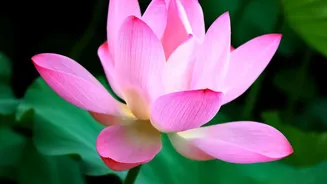
family's land, not as a site of recurring struggle, but as a canvas for a radical idea. Instead of cultivating rice, which was proving increasingly unsustainable, he chose to grow something with both economic and cultural value: the lotus.
From Paddy to Petals
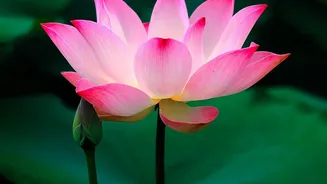
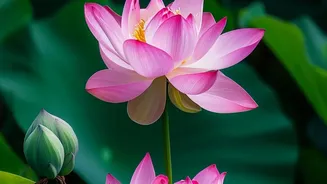
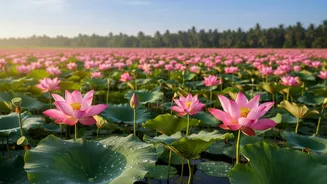
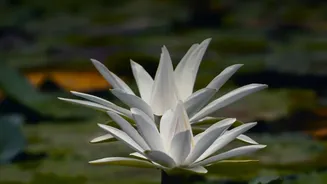
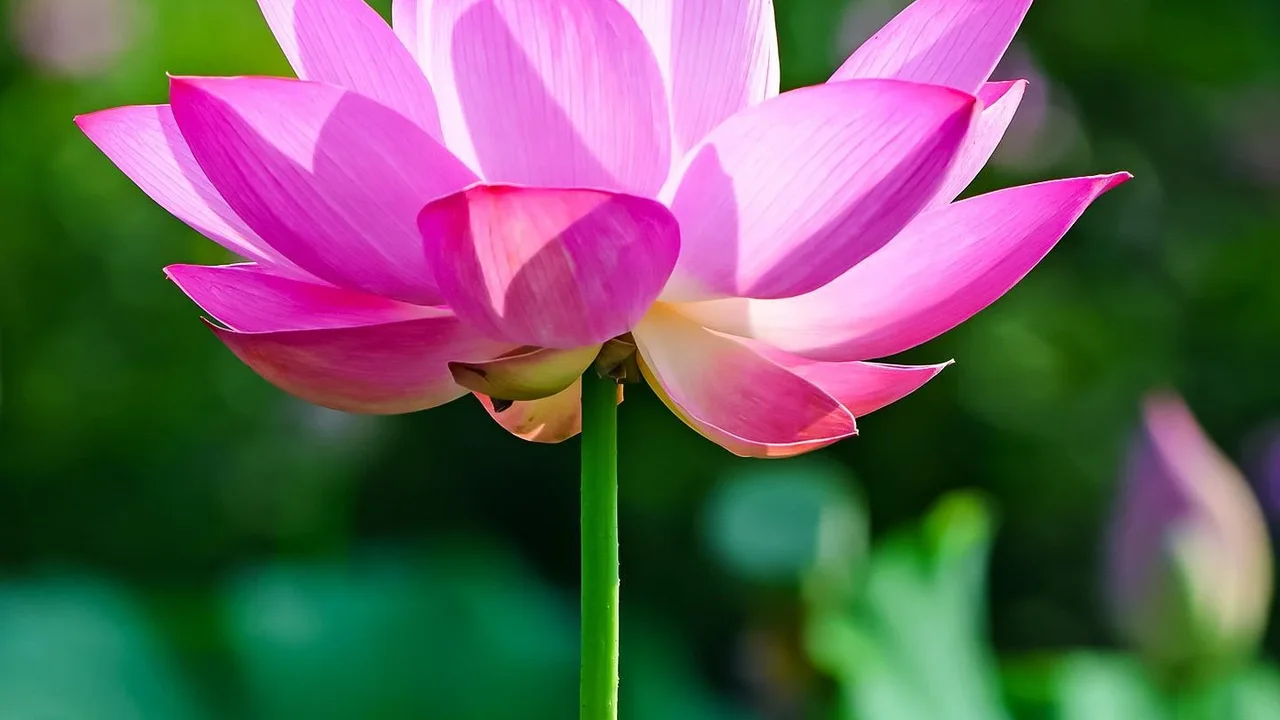
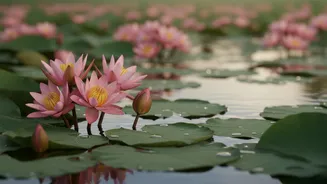
The transformation from a conventional paddy field to a flourishing lotus farm was a deliberate and calculated process. The three-acre plot was first prepared by ploughing and applying organic farmyard manure. Crucially, the water level was maintained at a knee-deep level, creating the perfect aquatic environment for lotus cultivation. Shetty chose several varieties suitable for the coastal climate, including Pink Cloud, White Peony, and Bucha lotuses. Embracing organic principles, he eschewed chemical pesticides entirely, relying on natural, neem-based products for pest control. This sustainable approach not only protects the environment but also ensures the purity of the blossoms. The first flowers bloomed just 90 days after planting, turning the field into a spectacle of colour.
The Economics of Blossoming
The shift to lotus farming has been a resounding financial success. For the past two months, Shetty's farm has been harvesting between 400 and 500 lotus flowers daily. Each flower fetches approximately ₹15, leading to a potential monthly income of up to ₹1 lakh—a significant turnaround from the losses incurred with paddy. The demand is consistent and strong. Prominent temples, including the famous Kollur Mookambika Temple and others in Ucchila and Kapu, are regular customers. Flower traders from across the region also source blooms directly from the farm, drawn by their quality and freshness.
More Than Just a Flower
Shetty's vision extends beyond the daily flower harvest. He sees the lotus as a plant of immense, untapped commercial potential. The stems can be used to produce fibre for textiles, the roots can be made into pickles, and the seeds are a nutritious food source. The flowers themselves are highly sought after by the perfume and decorative industries. This multi-faceted value chain presents a compelling business model that he believes can be replicated. Shetty is actively encouraging other local farmers to consider this alternative, pointing out that an estimated 200 acres of farmland in the surrounding region are well-suited for lotus cultivation. He offers technical guidance and helps connect interested farmers with established markets, hoping to create a new agricultural hub.
A Ripple of Inspiration
This story is more than just a successful business venture; it is a powerful example of agricultural innovation. In a region where many farmers are abandoning their fields due to labour shortages and unpredictable weather, Shetty's success offers a blueprint for a profitable and sustainable future. By thinking creatively and embracing a crop deeply embedded in India's cultural and spiritual heritage, he has not only revived his own fortunes but has also sparked a conversation about the future of farming in coastal Karnataka. His lotus farm stands as a testament to the idea that sometimes, the most beautiful solution is also the most practical one.